His vs He’s: What’s the Difference and When Should You Use Each?
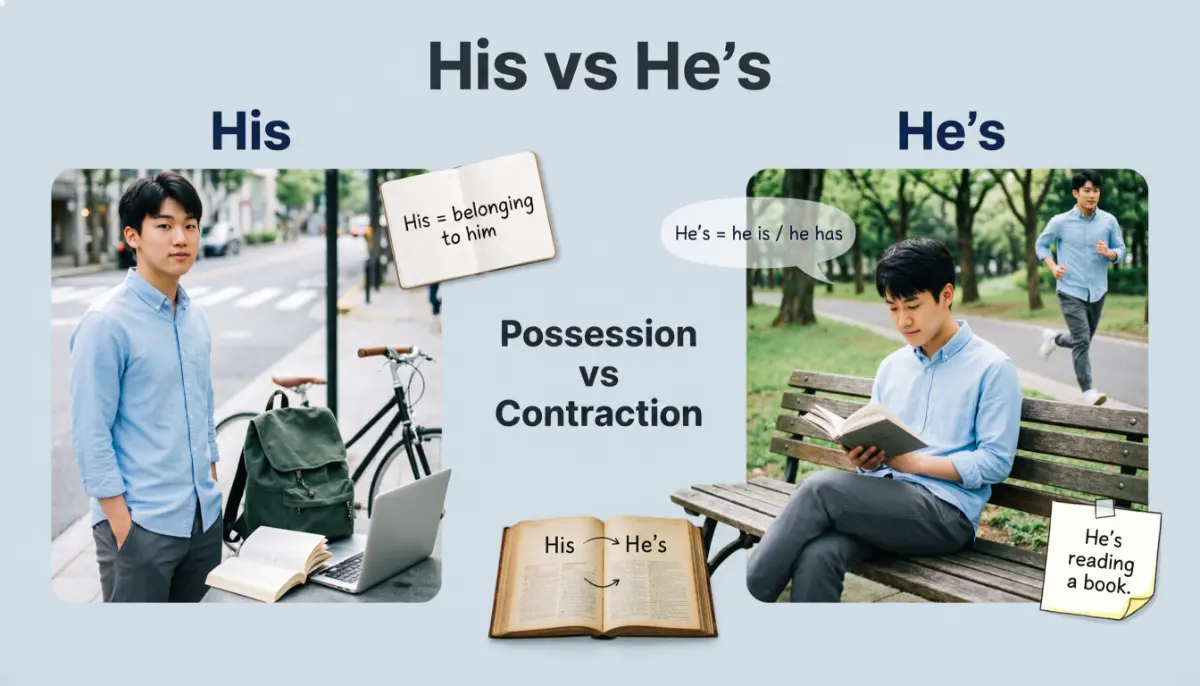
His vs He's

“His” and “he’s” are both correct words, but they have different meanings and uses. “His” is a possessive pronoun showing that something belongs to a male person (e.g., his book), while “he’s” is a contraction of he is or he has (e.g., he’s happy or he’s finished). Many English learners and even native speakers get … Read more
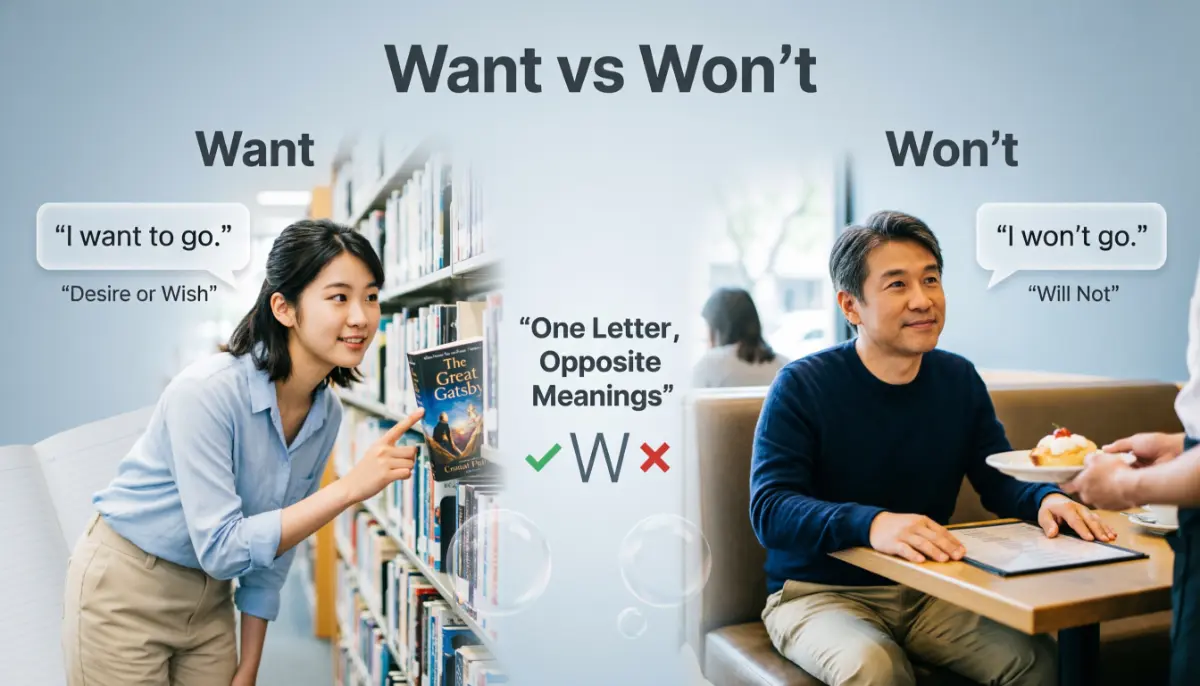
Want vs Won’t: Understanding the Difference and Using Them Correctly

Want vs Won't

“Want” and “won’t” are both correct words, but they have completely different meanings. “Want” is a verb meaning to desire, need, or wish for something, while “won’t” is the contraction of will not, used to express refusal or a future action that will not happen. Have you ever typed a sentence and wondered whether to … Read more

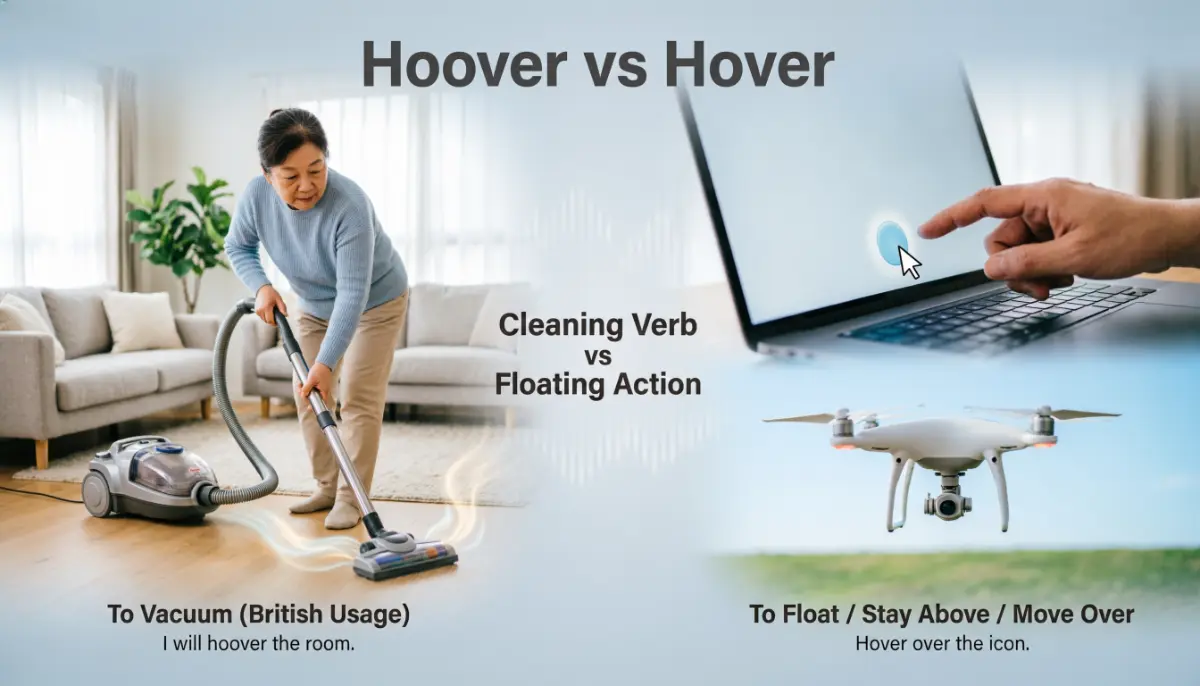
Hoover vs Hover: Meaning, Difference, and Correct Usage Explained

Hoover vs Hover

“Hoover” and “hover” are both correct words, but they have very different meanings. “Hoover” is a noun or verb referring to a vacuum cleaner (especially in British English) or to vacuum-cleaning, while “hover” is a verb meaning to remain in one place in the air or to linger around something. The confusion between “hoover” vs … Read more

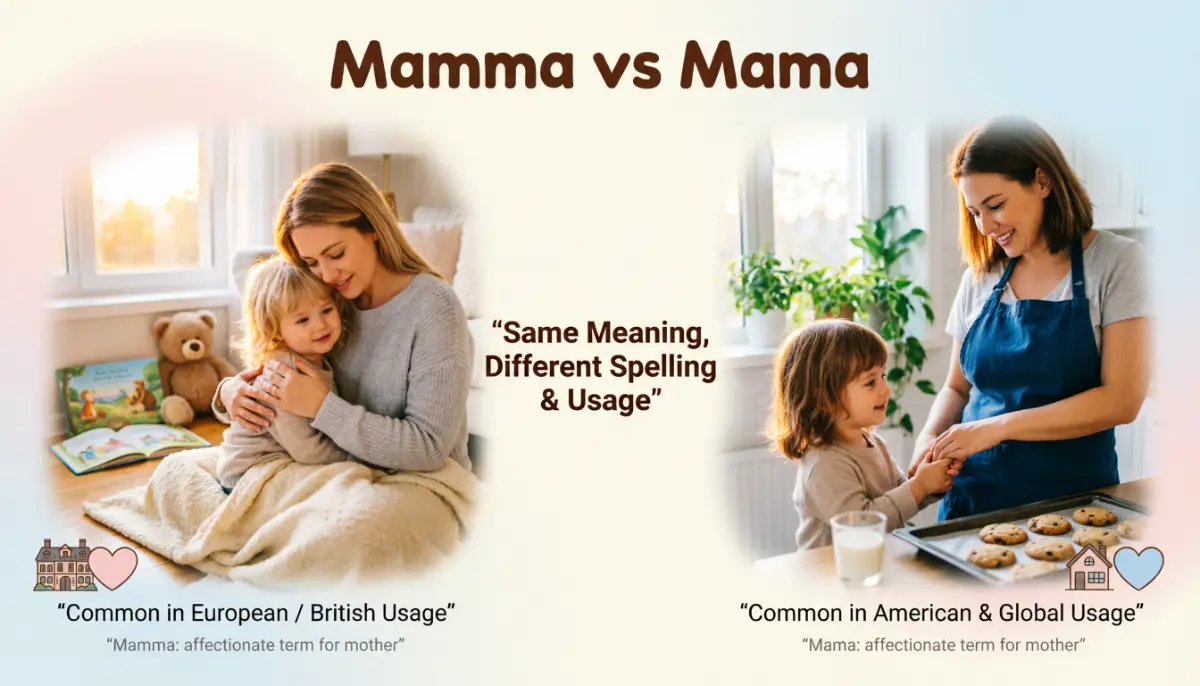
Mamma vs Mama: Meaning, Difference, and Correct Usage Explained

Mamma vs Mama

“Mamma” and “mama” are both correct words, but they are used in slightly different contexts and styles. “Mama” is the more common, informal word used in everyday English for mother, while “mamma” is an older or more affectionate variant, often used in British English or literary writing. The words “mamma” vs “mama” often confuse English … Read more

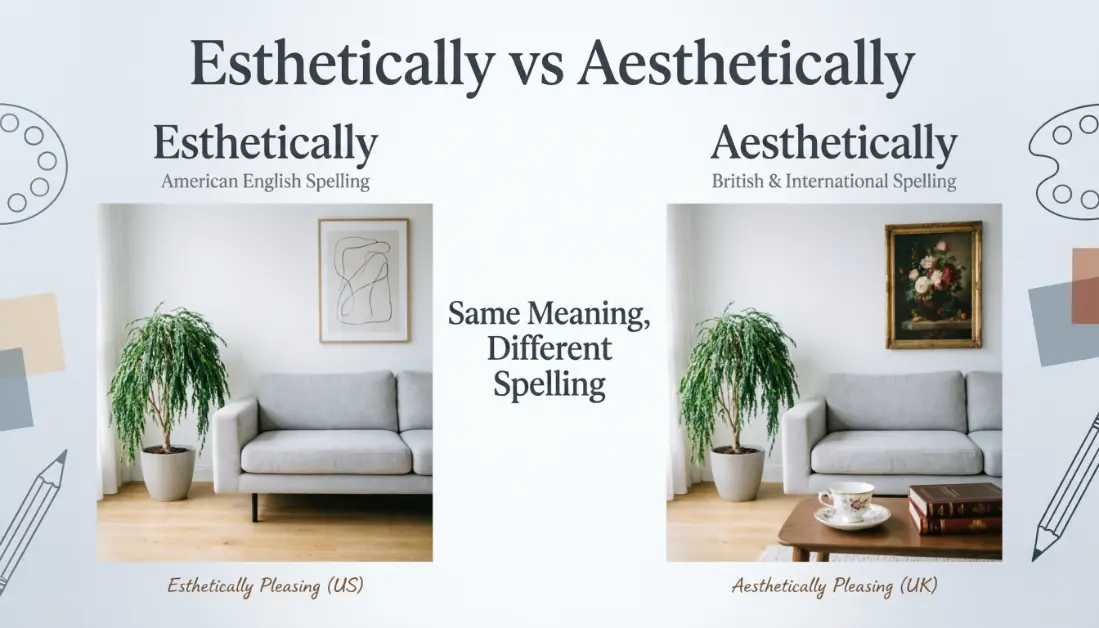
Esthetically vs Aesthetically: Which Spelling Is Correct?

Esthetically vs Aesthetically

“Esthetically” and “aesthetically” are both correct spellings, but they differ by regional preference. “Aesthetically” is the traditional and more widely used spelling, especially in British English and academic writing, while “esthetically” is an accepted American English variant. Both mean in a way related to beauty, appearance, or artistic appreciation. Have you ever seen the words … Read more

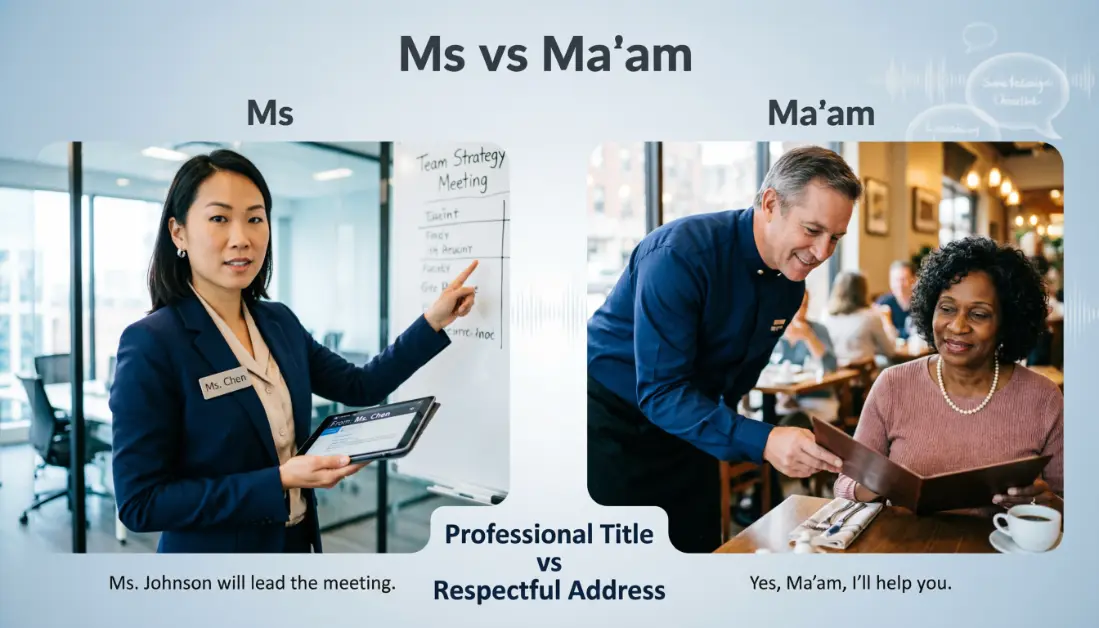
Ms vs Ma’am: What’s the Difference and When Should You Use Each?

Ms vs Ma'am

“Ms.” and “ma’am” are both correct forms of address, but they are used in different situations. “Ms.” is a title placed before a woman’s surname (e.g., Ms. Smith) without indicating her marital status, while “ma’am” is a polite form of direct address used when speaking to a woman (e.g., Yes, ma’am). Many people wonder about … Read more

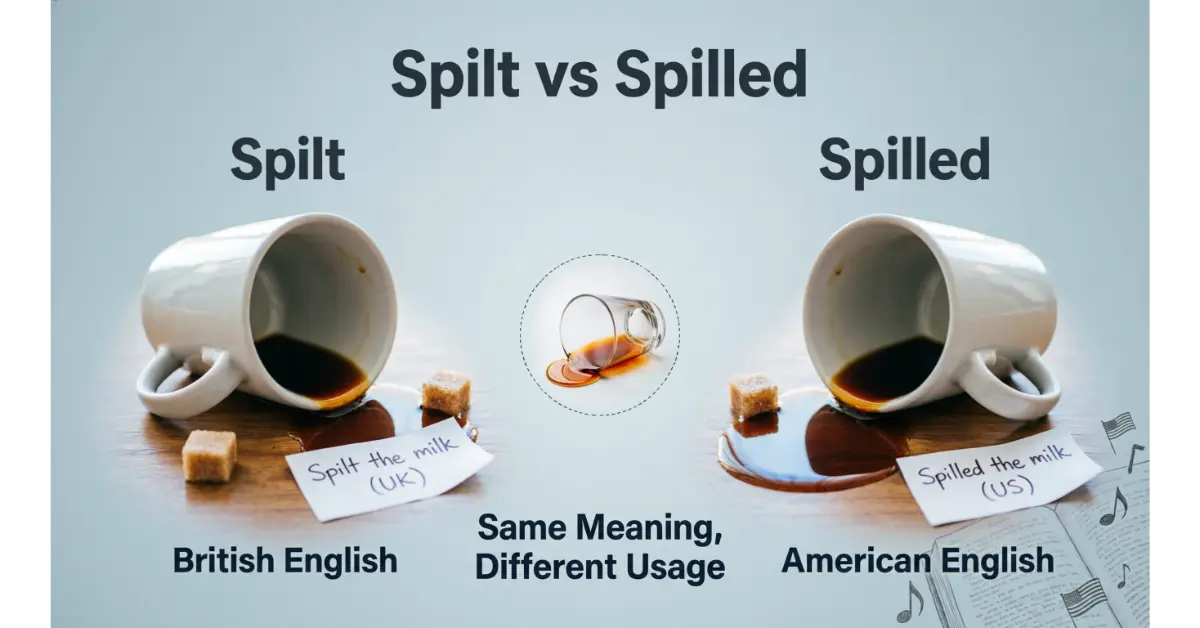
Spilt vs Spilled – What’s the Difference and Which Spelling Should You Use?

Spilt vs Spilled

“Spilt” and “spilled” are both correct forms of the verb spill, but they differ by regional preference. “Spilt” is more common in British English, while “spilled” is preferred in American English. Both mean to accidentally cause a liquid or substance to flow out of its container. Have you ever written “I spilt my coffee” and … Read more

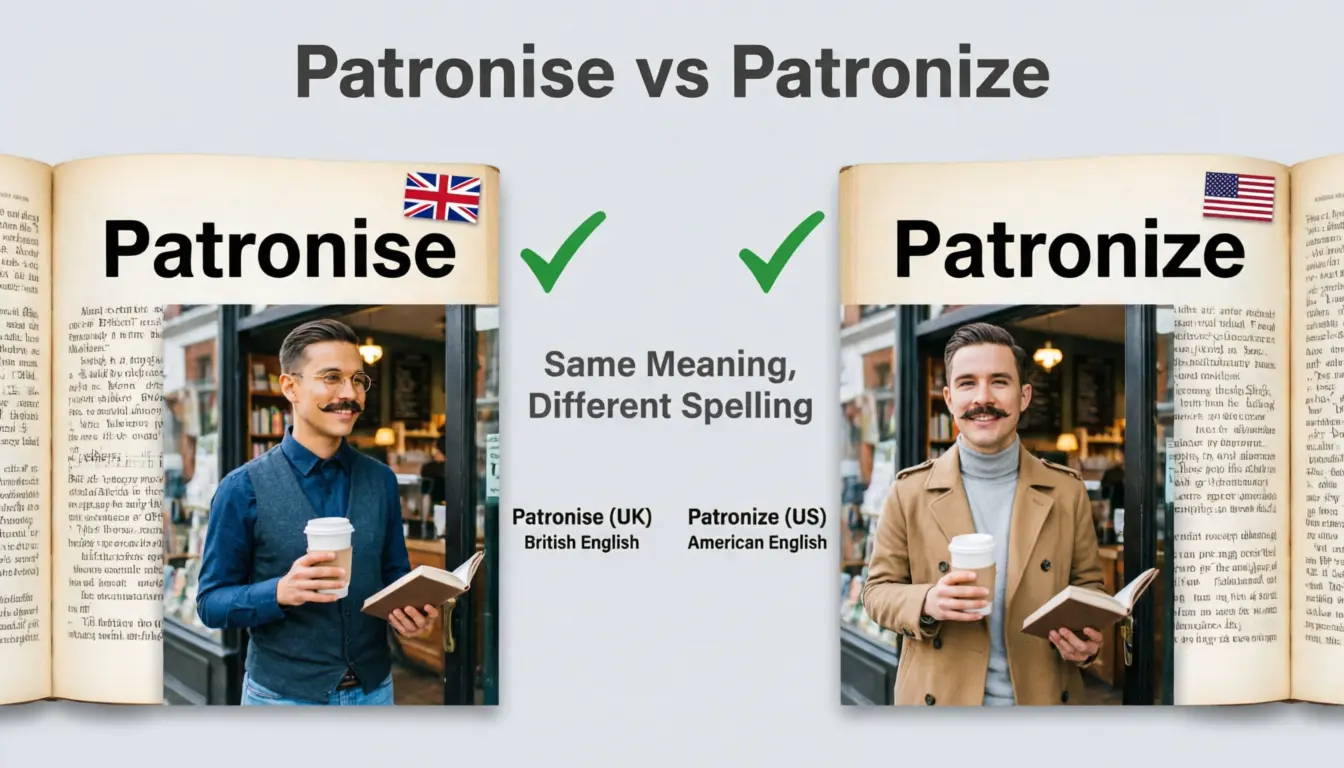
Patronise vs Patronize: Which Spelling Is Correct and When Should You Use It?

Patronise vs Patronize

“Patronise” is the British English spelling, while “patronize” is the American English spelling. Both can mean to support a business by being a customer or to treat someone in a condescending manner. Have you ever seen the words patronise and patronize and wondered if one is correct while the other is wrong? You are not … Read more

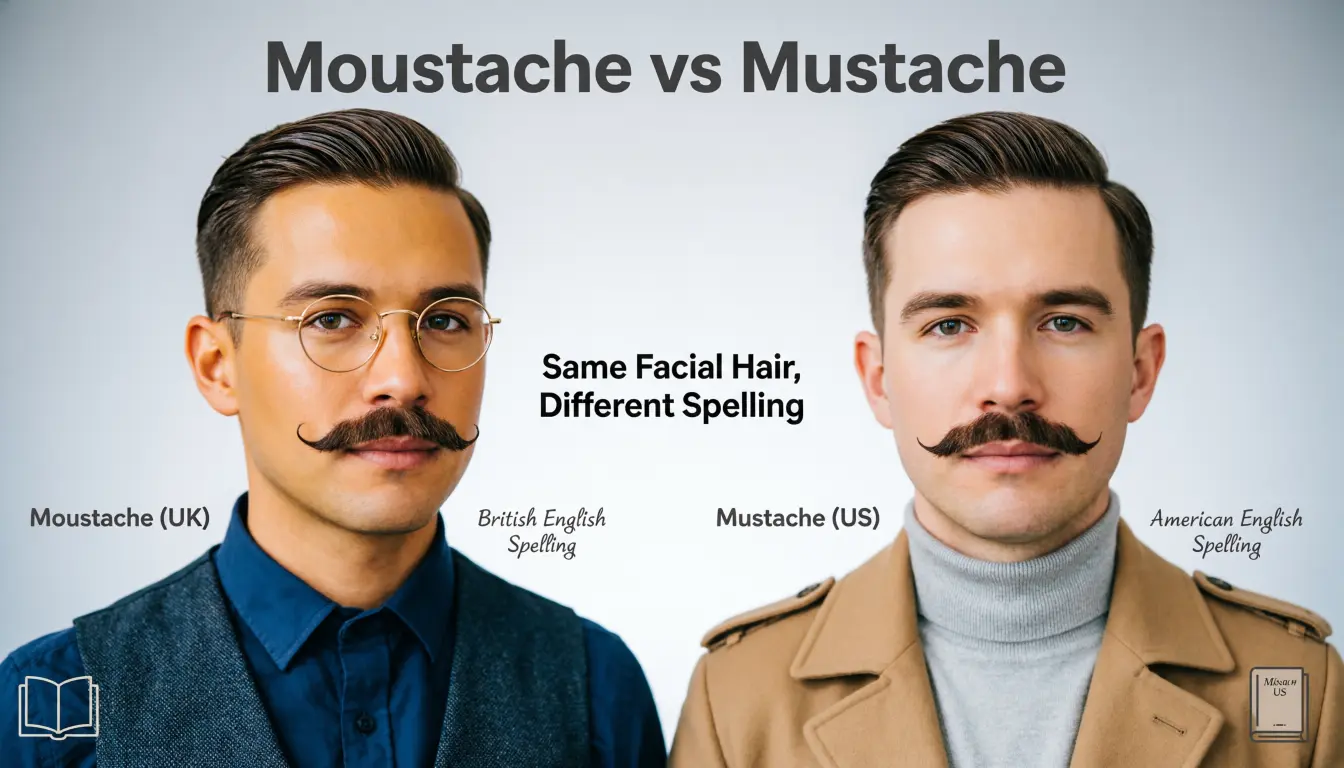
Moustache vs Mustache: Which Spelling Is Correct and When Should You Use It?

Moustache vs Mustache

“Moustache” is the traditional British English spelling, while “mustache” is the American English spelling. Both refer to the facial hair that grows on the upper lip. Have you ever typed moustache in a document only to have your spell checker suggest mustache? Or perhaps you saw both spellings online and wondered if one was wrong. … Read more

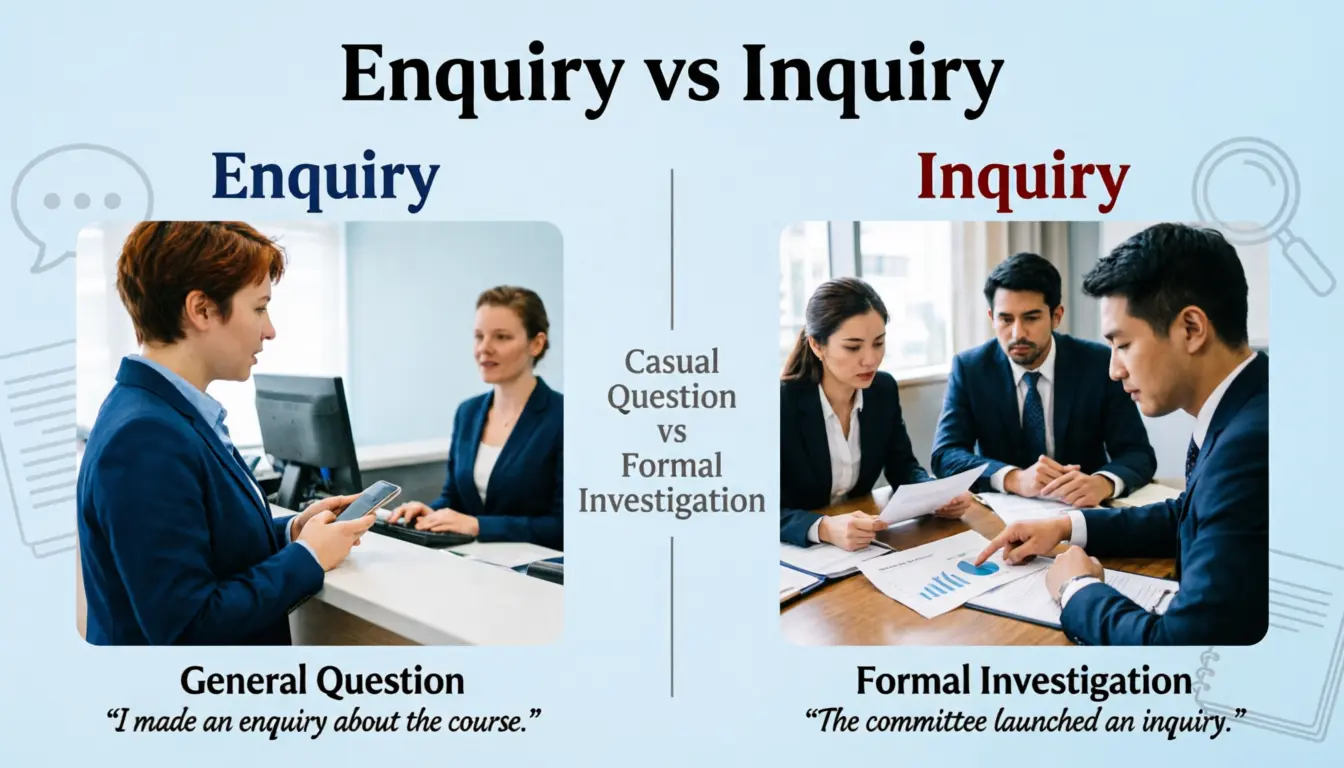
Enquiry vs Inquiry: What’s the Difference and Which Spelling Should You Use?

Enquiry vs Inquiry

“Enquiry” is the traditional British English spelling for a general question or request for information, while “inquiry” is the standard American English spelling and is also commonly used in British English for formal investigations. Have you ever wondered whether you should write enquiry or inquiry? Many English learners, writers, and professionals face this confusion. The … Read more