Herd or Heard? A Complete Guide to Understanding the Difference
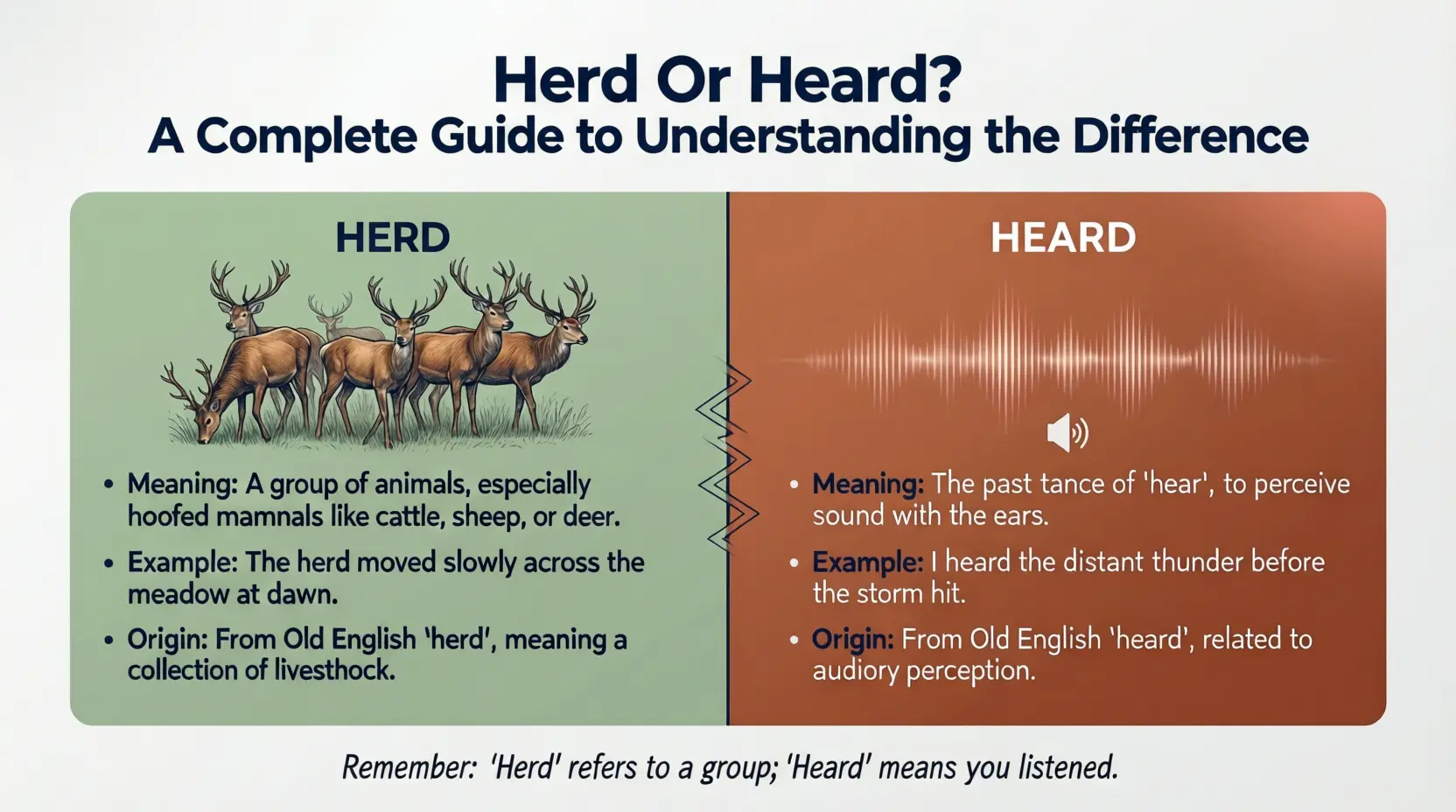
English is full of words that sound the same but mean very different things. These words are called homophones, and ...
Read more
Mis or Miss? Correct Meaning and Common Mistakes Explained
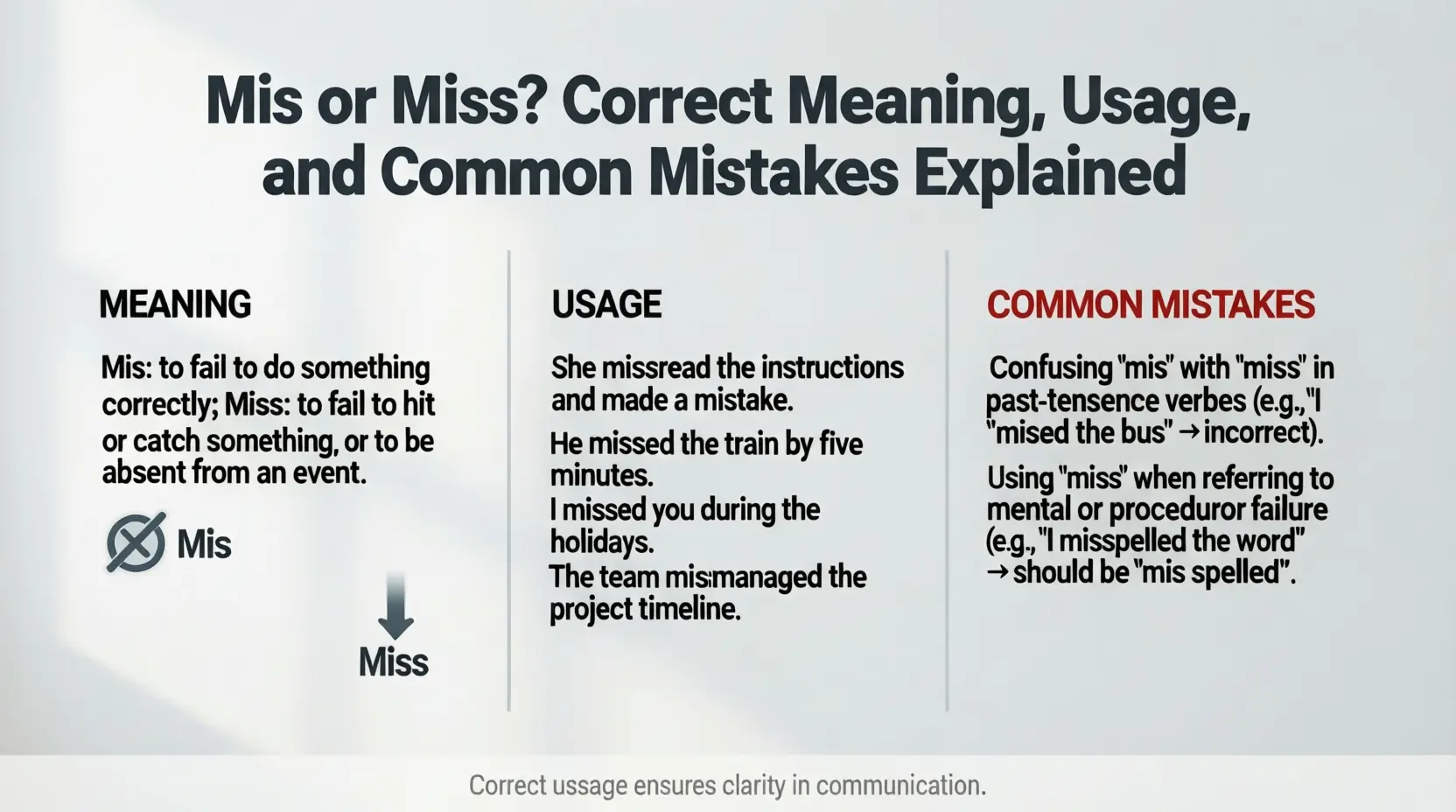
English has many small words that can confuse learners. One common question is “mis or miss.” Both words sound similar, ...
Read more
Quit or Quite? Correct Meaning, and Common Mistakes Explained
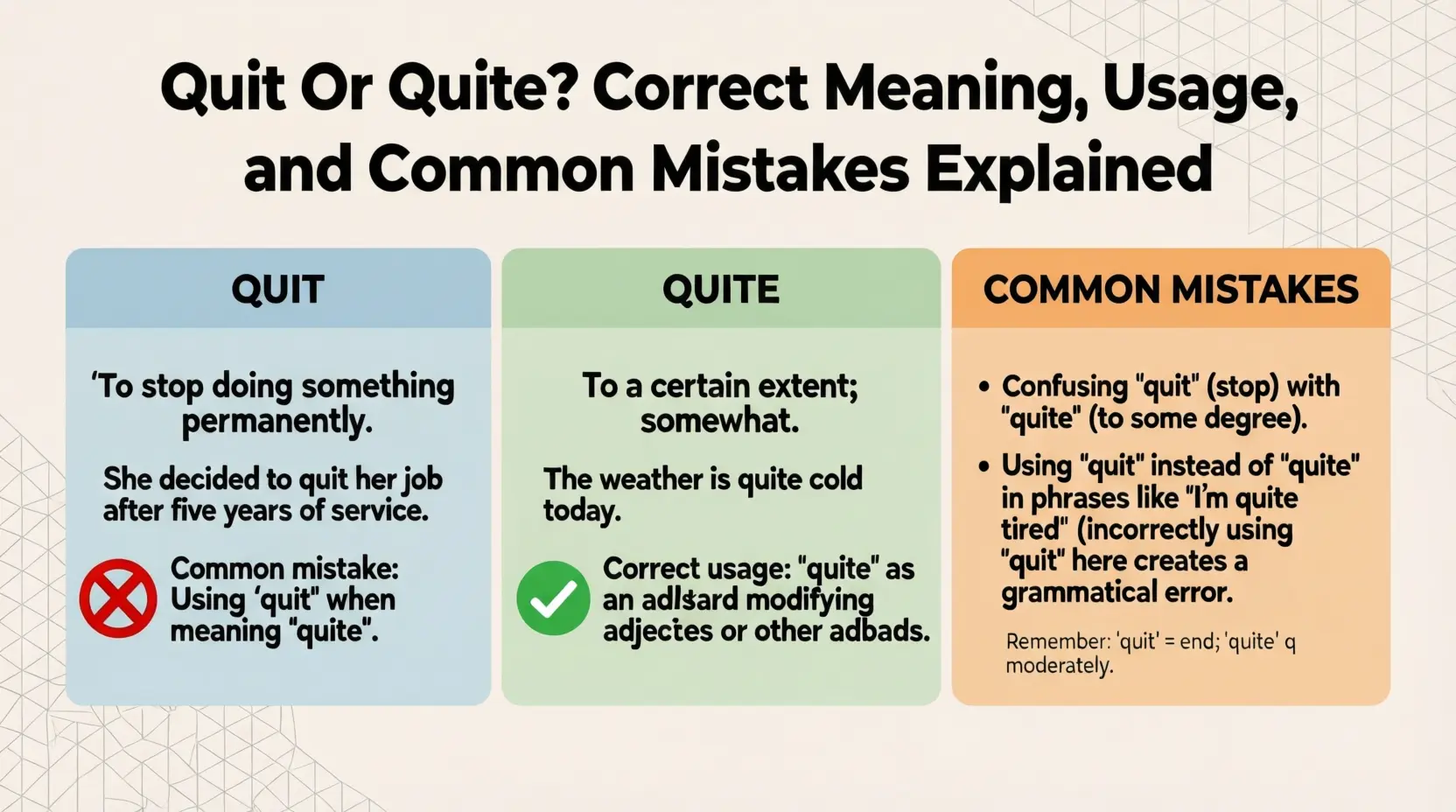
Some English words look very similar but have completely different meanings. “Quit or quite” is one of the most confusing ...
Read more
Onto Or Into? Correct Meaning, Usage, and Examples Explained
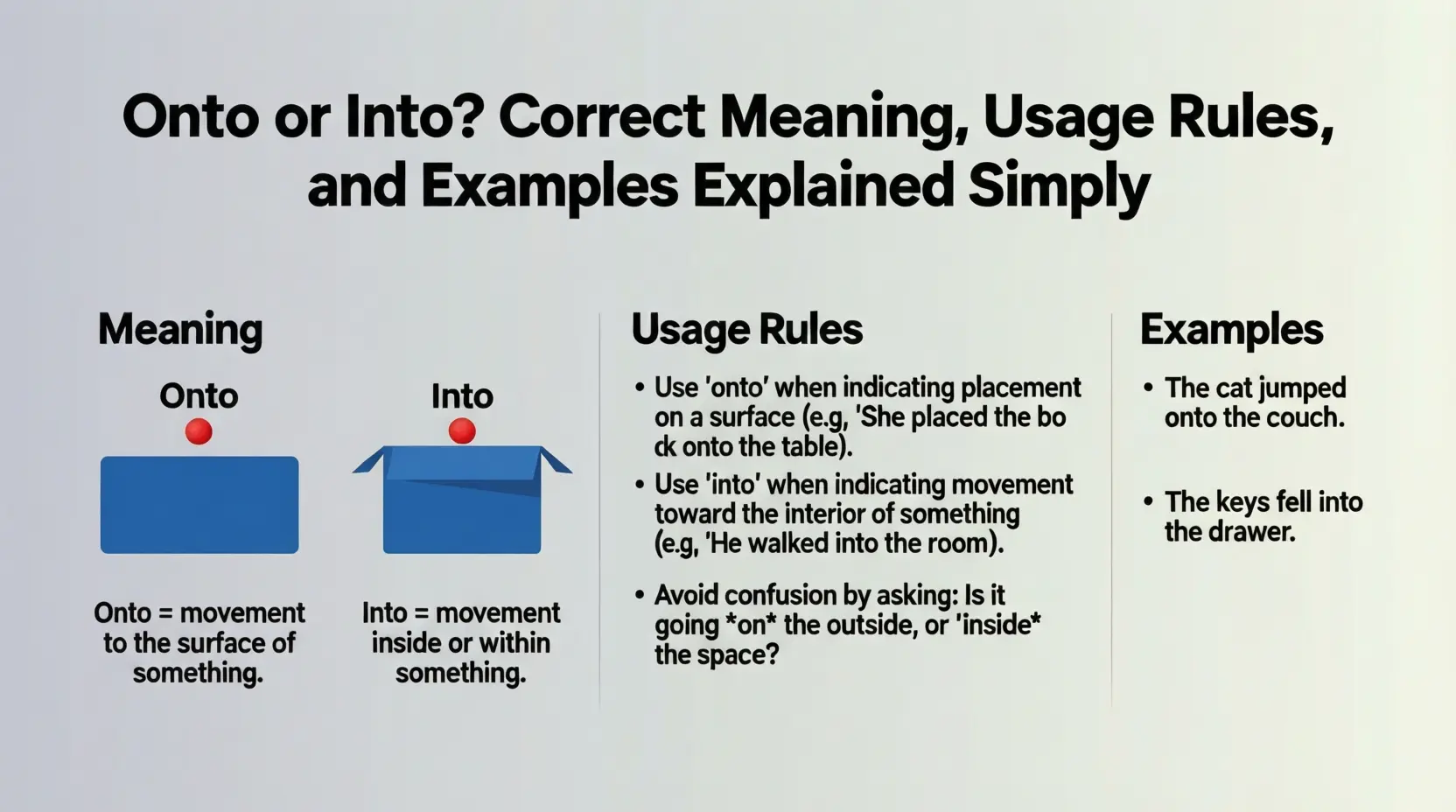
“Onto” and “into” are both correct words, but they describe different types of movement or position. “Onto” means movement toward ...
Read more
Whacky or Wacky? The Correct Spelling Explained Simply and Clearly
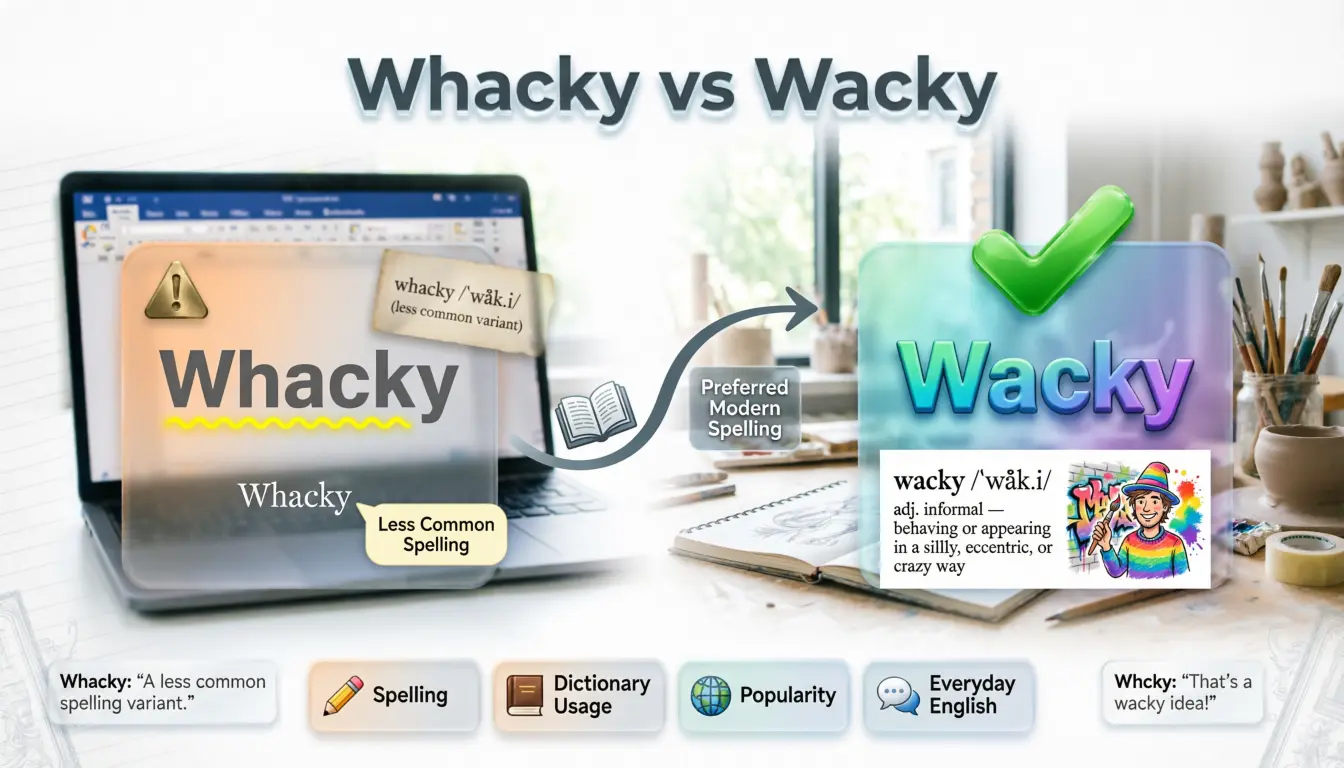
“Wacky” is the standard and more common spelling, while “whacky” is an accepted variant used less frequently. “Wacky” means funny, ...
Read more
Cheep or Cheap – Correct Spelling, Meaning, and Usage Explained Simply

“Cheep” is a verb or noun referring to the short high-pitched sound made by a bird, while “cheap” is an ...
Read more
Everybodies or Everybody’s: The Correct Spelling, Meaning, and Usage

“Everybody’s” is the correct form, while “everybodies” is not standard English. “Everybody’s” is either a contraction of “everybody is” or ...
Read more
Horder or Hoarder: Which Spelling Is Correct and When to Use It?
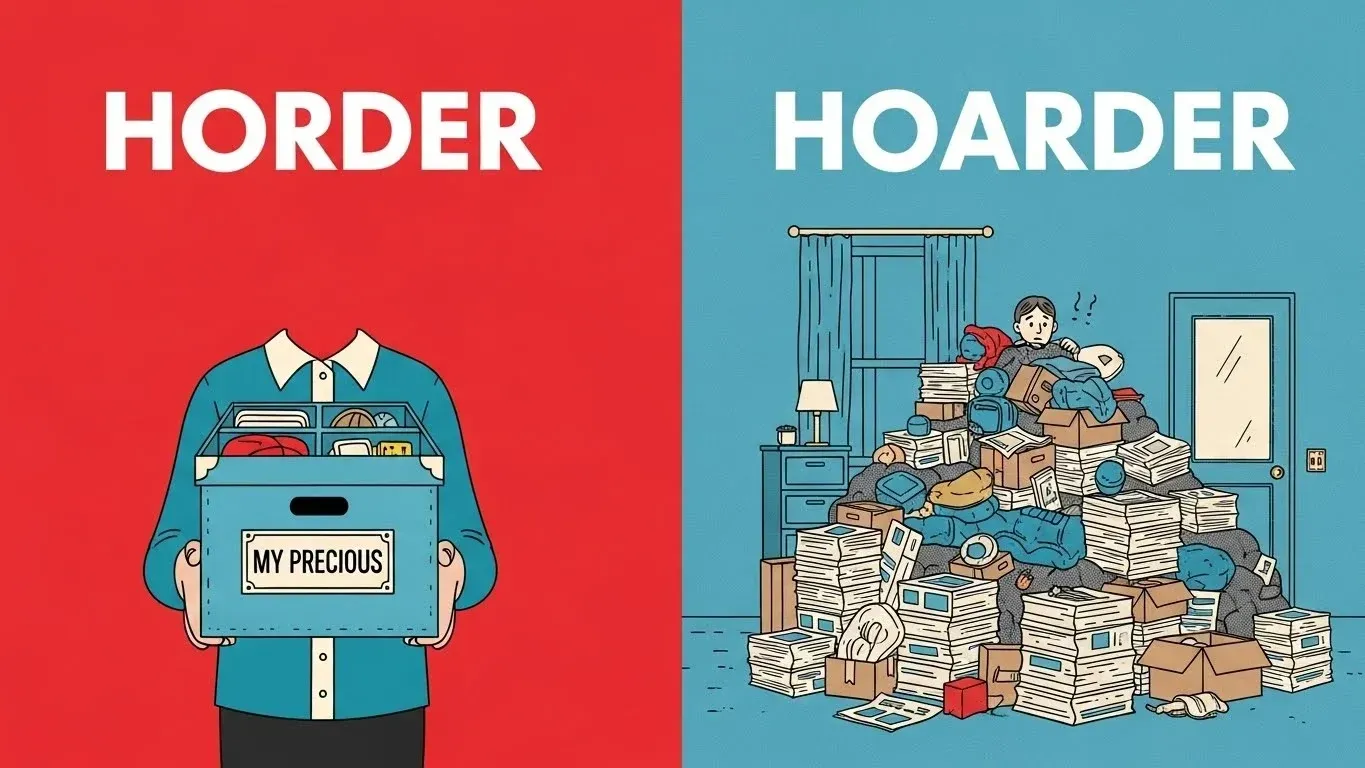
“Hoarder” is a noun meaning a person who collects and keeps large amounts of things, whereas “horder” is rarely used ...
Read more
Weren’t or Wasn’t: A Simple Guide to Choosing the Right One
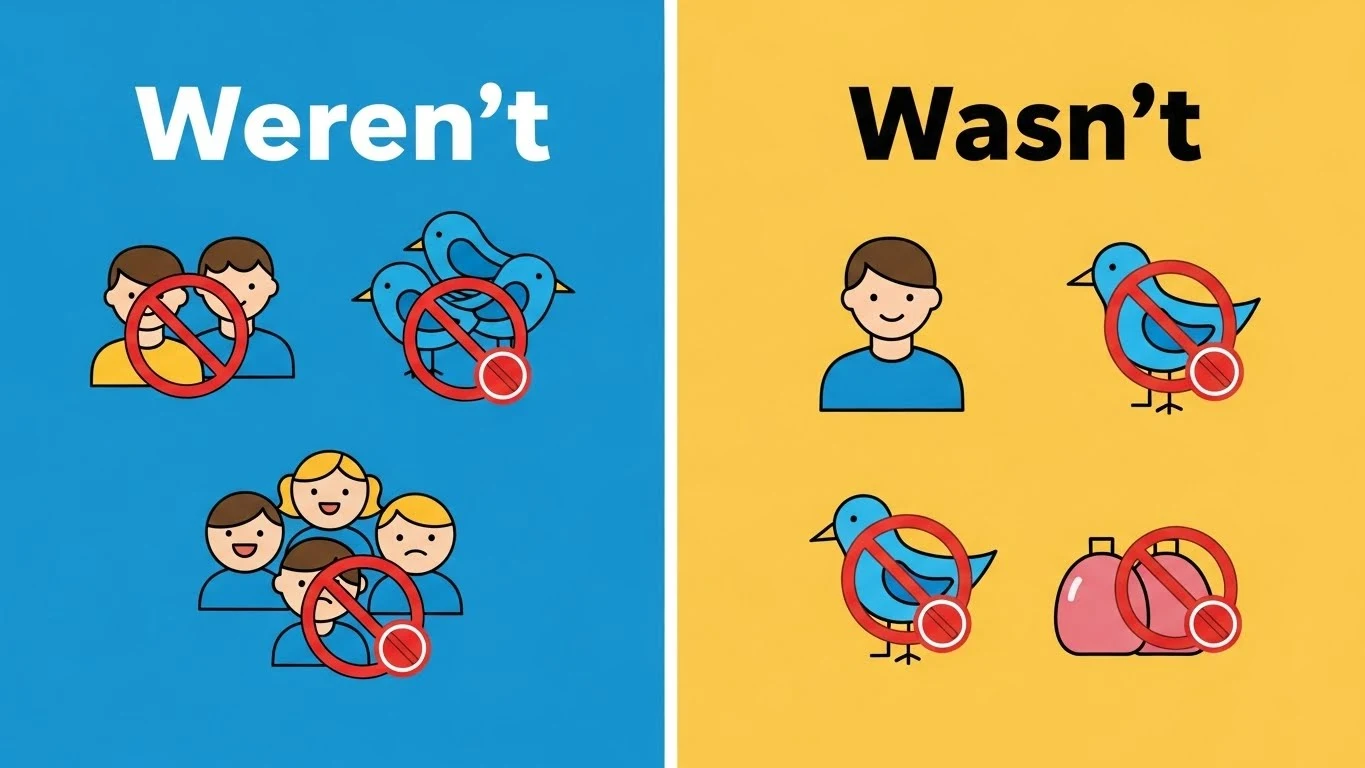
“Wasn’t” and “weren’t” are both correct contractions of was not / were not, but they are used with different subjects. ...
Read more