Downstage vs Upstage: Meaning, Differences, Origins, Examples, and When to Use Each
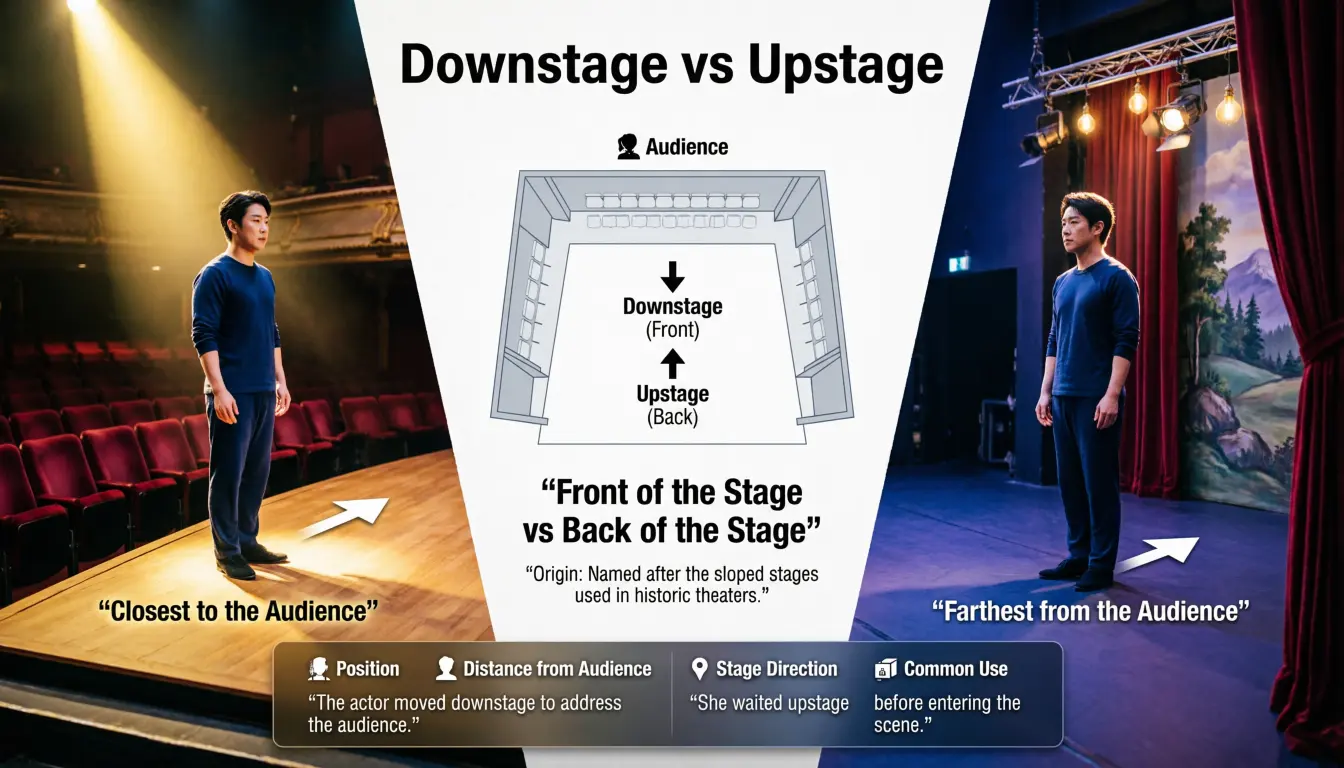
“Downstage” and “upstage” are both theater terms, but they refer to opposite directions on a stage and have different figurative ...
Read more
Aggressiveness vs Aggression: What’s the Difference and Which Word Should You Use?
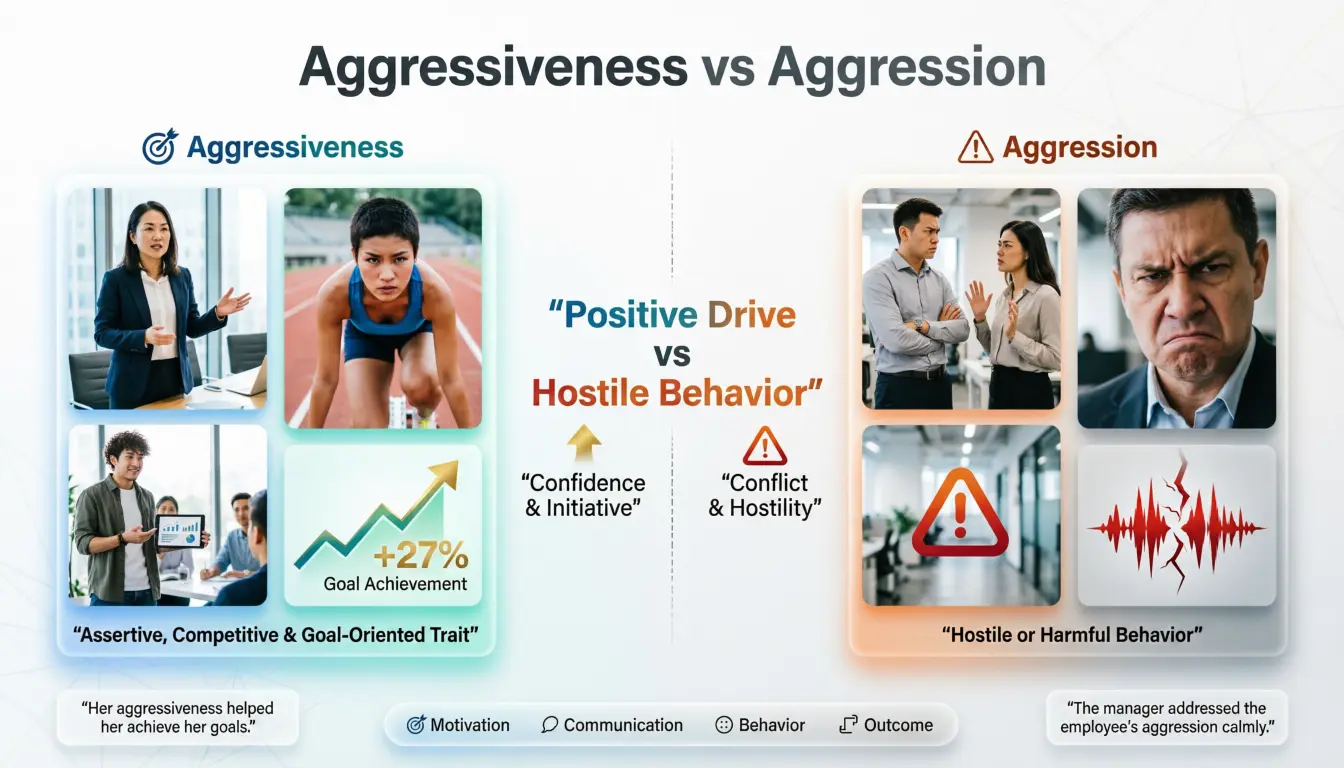
“Aggressiveness” and “aggression” are related words, but they are not interchangeable in every context. Aggressiveness refers to the quality, tendency, ...
Read more
Situationship vs Relationship: Key Differences, Signs, and How to Choose the Right One
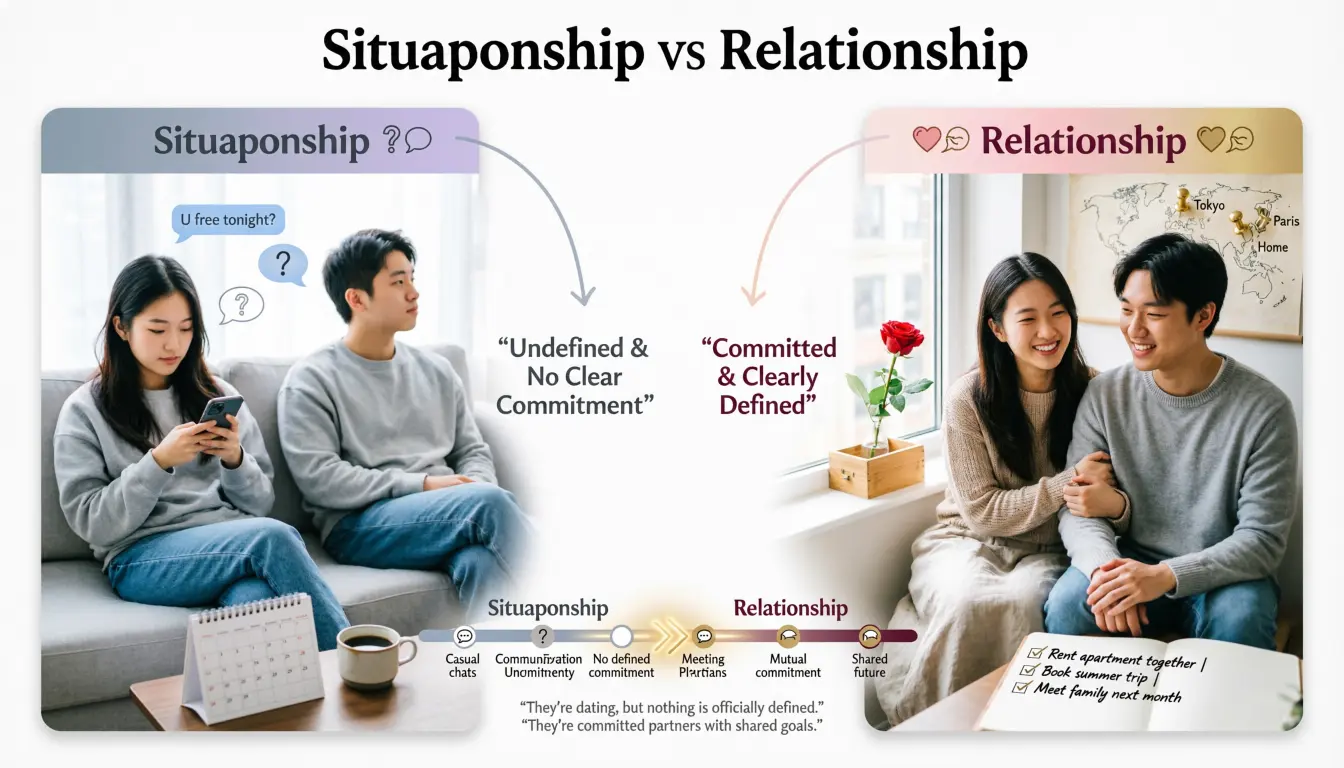
“Situationship” and “relationship” both describe romantic connections, but they differ in commitment and clarity. A situationship is an informal romantic ...
Read more
ASL vs ESL: What’s the Difference? Complete Guide with Examples
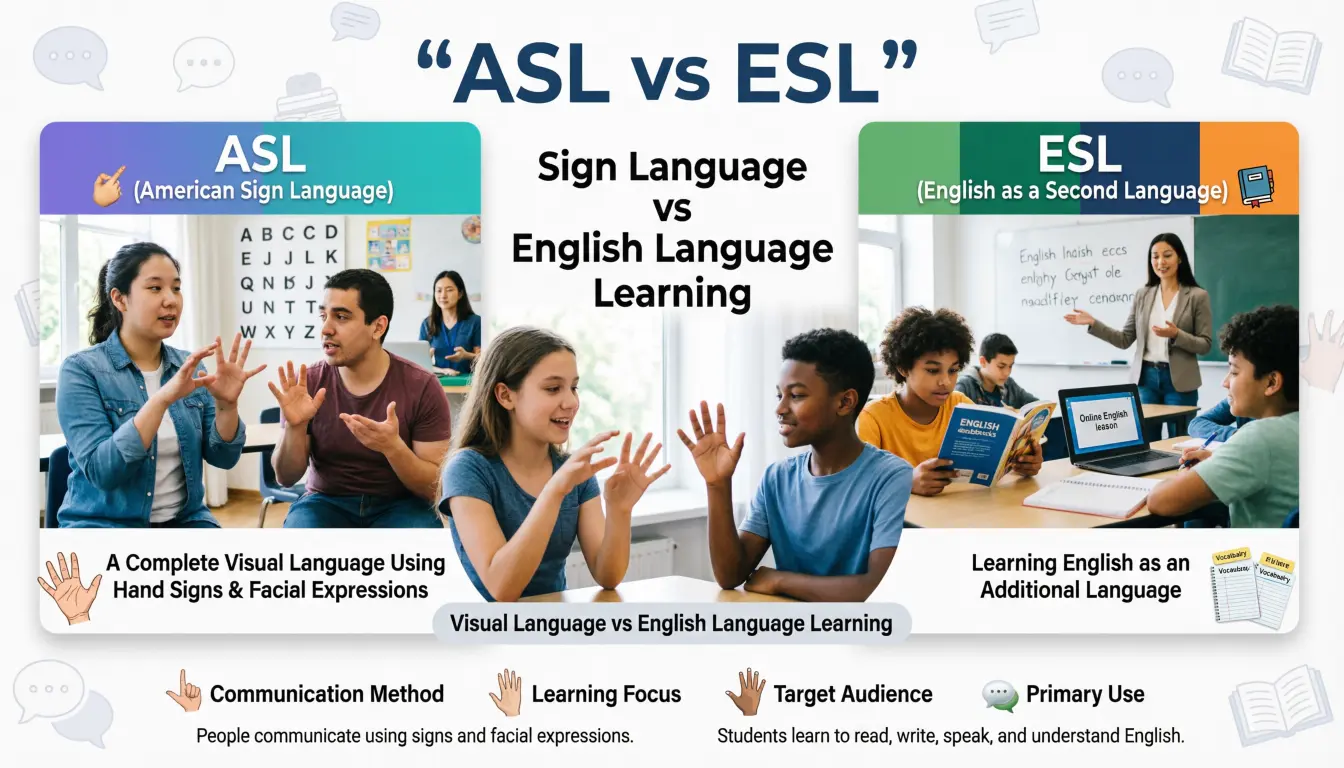
“ASL” and “ESL” are both common educational terms, but they refer to completely different concepts. ASL stands for American Sign ...
Read more
Admittance vs Admission: What’s the Difference and Which Word Should You Use?

“Admittance” and “admission” are both correct words, but they are used in different contexts. “Admittance” refers to the right or ...
Read more
Risk Seeker vs Risk Averse: Understanding the Key Differences in Decision-Making

“Risk seeker” and “risk averse” are opposite terms used to describe attitudes toward risk. A risk seeker is someone who ...
Read more
Habitable vs Inhabitable: Meaning, Differences, Examples, and Correct Usage Guide
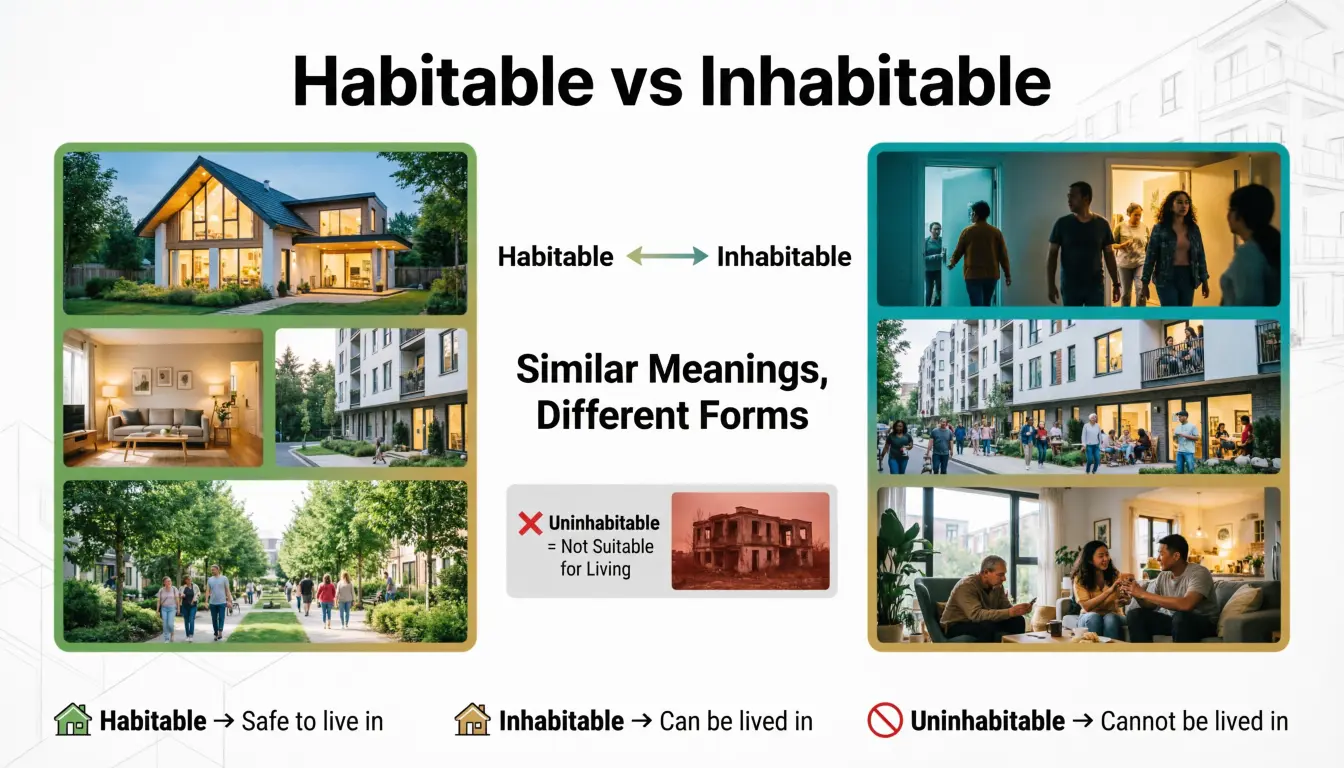
“Habitable” and “inhabitable” are tricky because they mean nearly the same thing, not opposites. “Habitable” means suitable for living in, ...
Read more
Baboon vs Monkey: What’s the Difference?
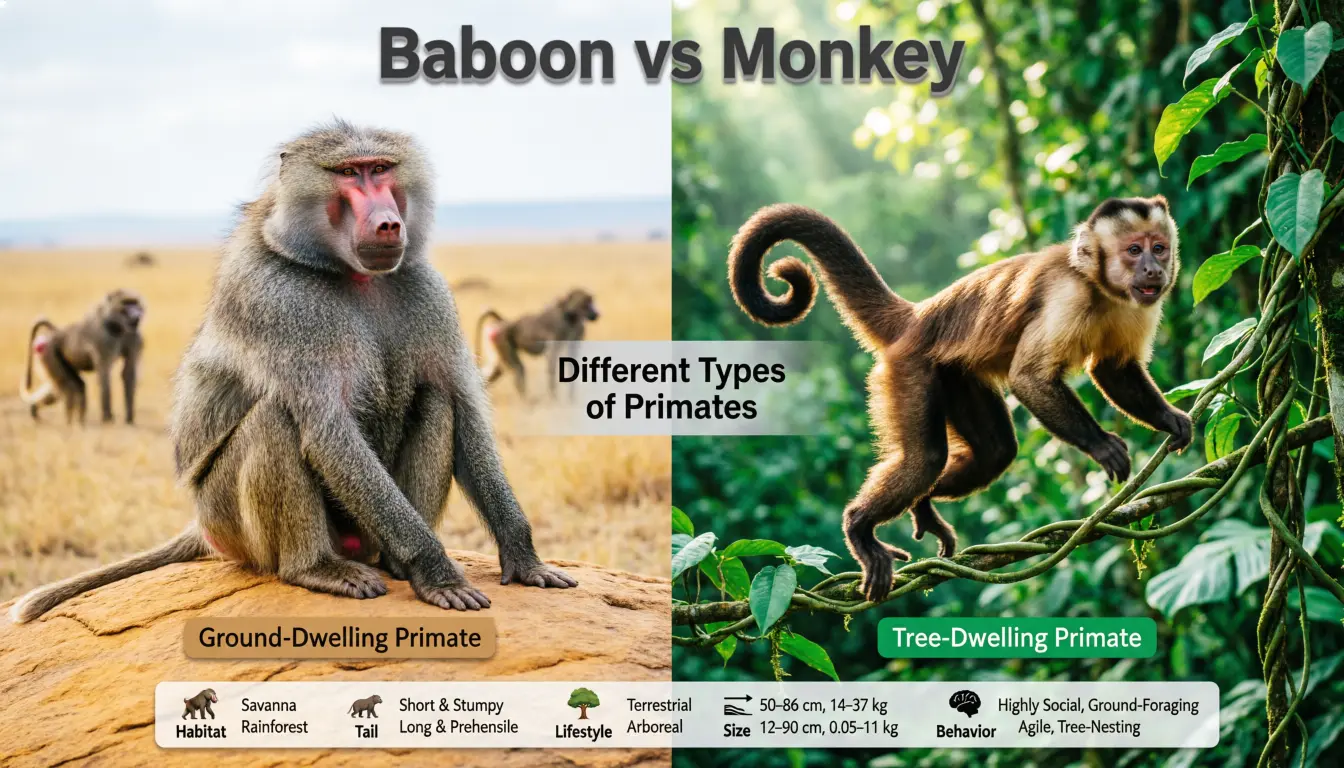
“Baboon” and “monkey” are both correct terms, but they do not refer to the same animal. “Baboon” is a specific ...
Read more
Brown Hair vs Brunette: What’s the Difference and Which Term Should You Use?
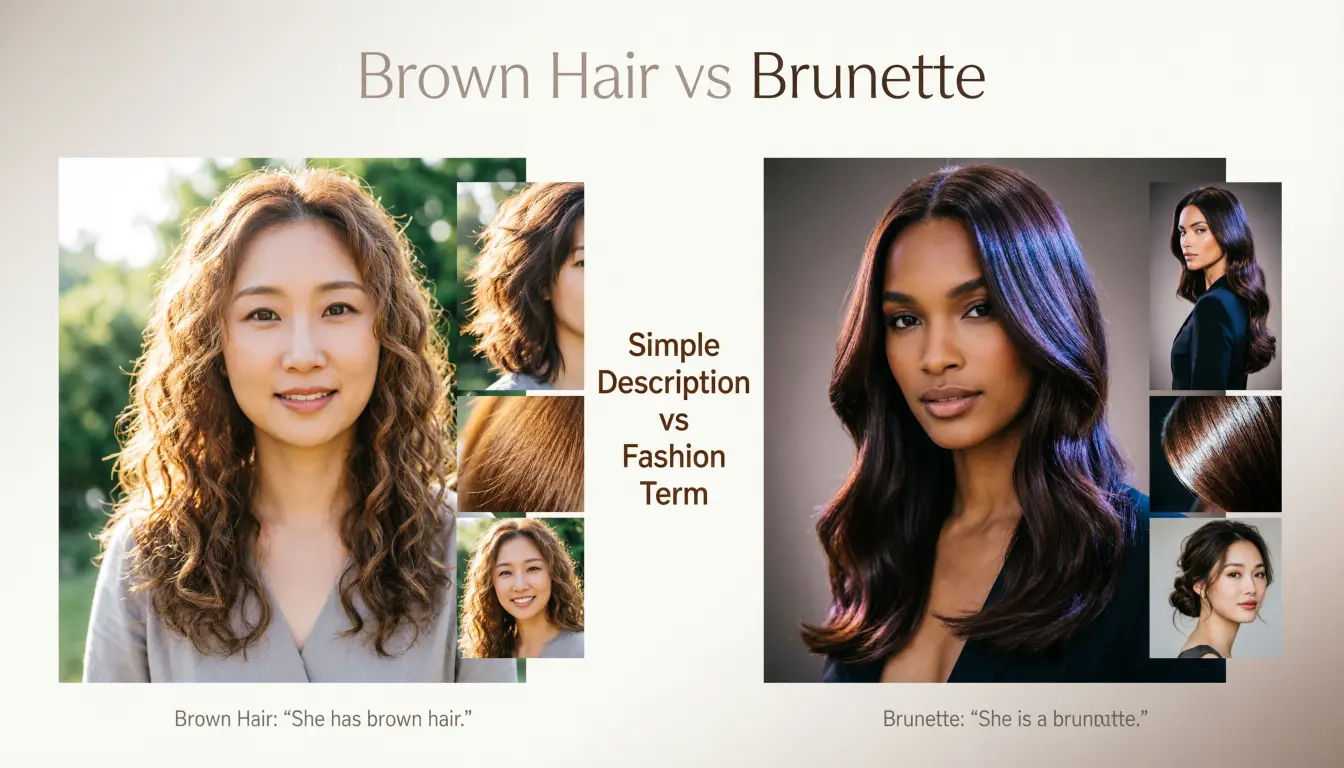
“Brown hair” and “brunette” are both correct terms, but they are used a bit differently. “Brown hair” is a general ...
Read more
Waken vs Awaken: What’s the Difference and Which Word Should You Use?
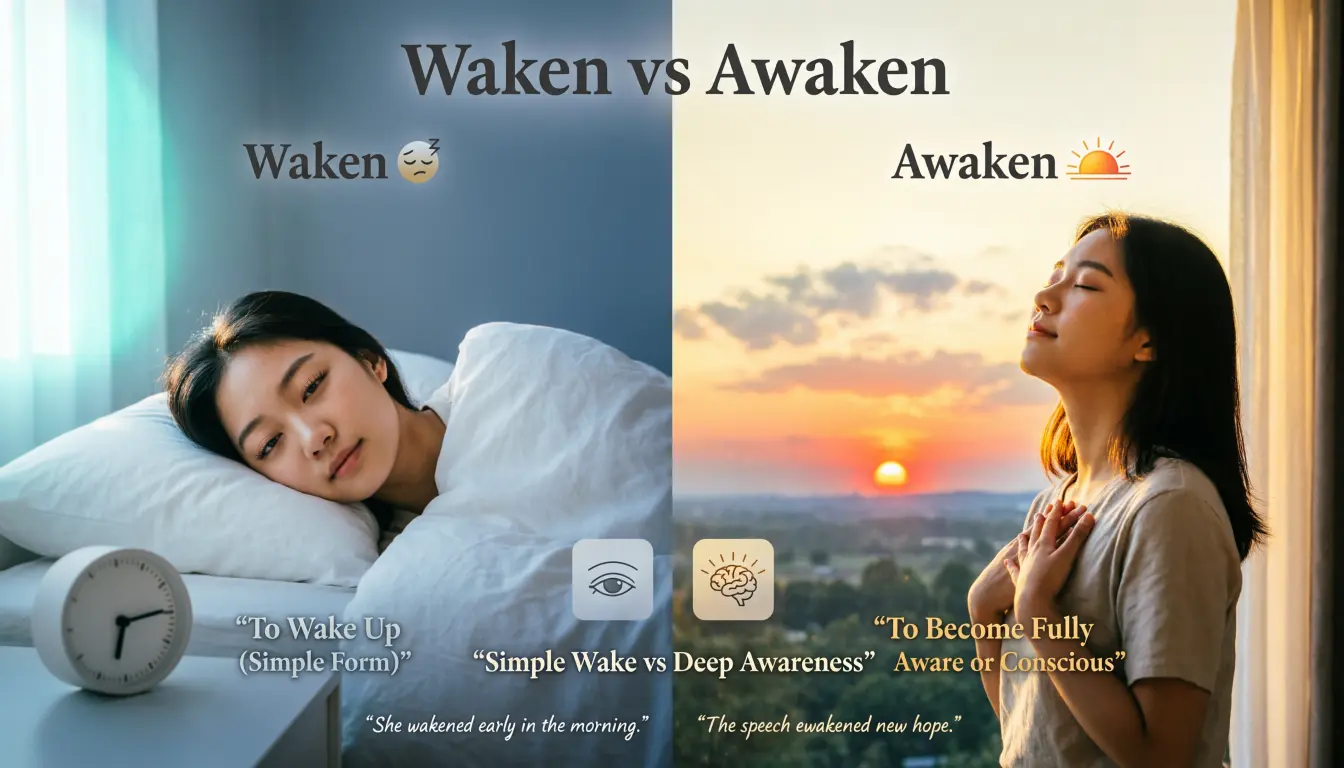
“Waken” and “awaken” are both correct verbs, but they are used differently in style and tone. “Waken” is an older ...
Read more