Nominal vs Notional: What’s the Difference and When Should You Use Each?
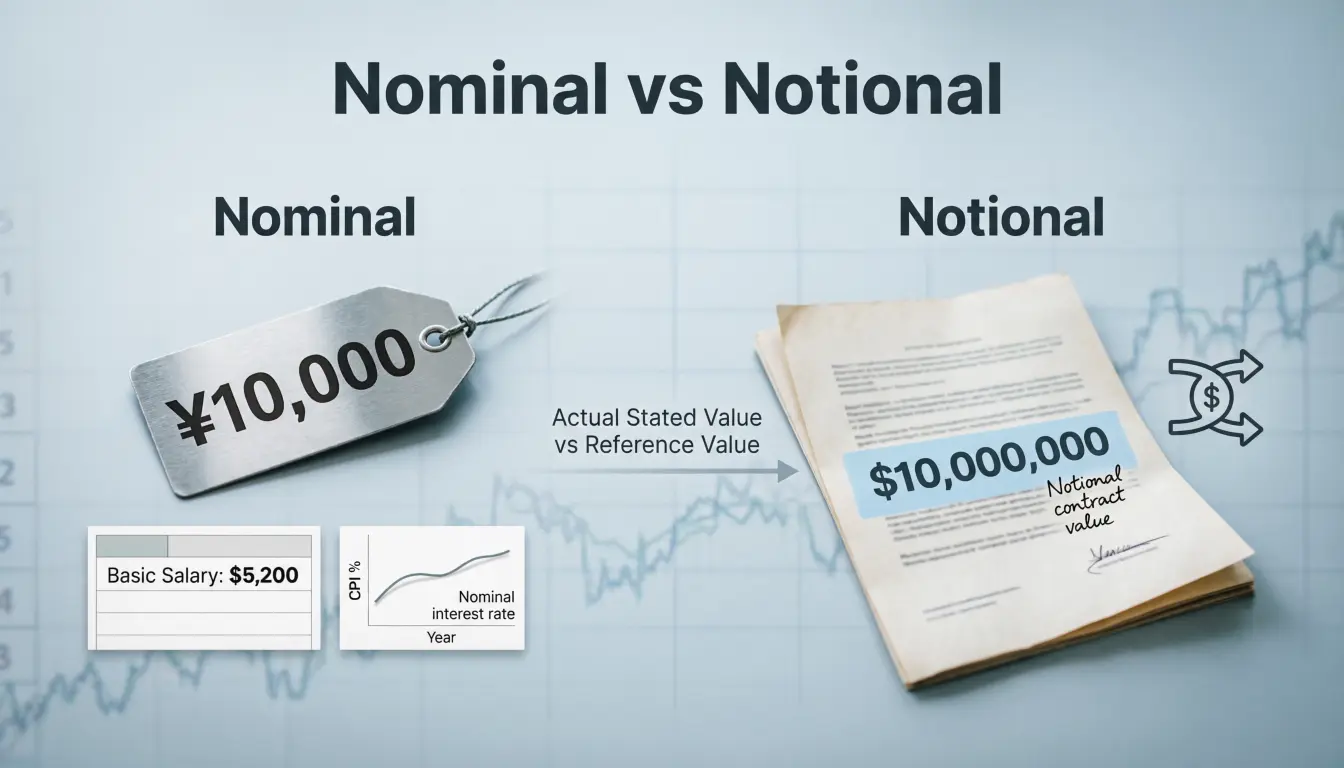
Nominal vs Notional

“Nominal” and “notional” are both correct words, but they have different meanings. “Nominal” means existing in name only, small in amount, or based on stated rather than real value, while “notional” means theoretical, conceptual, or existing as an idea rather than a physical reality. Have you ever read a finance report, economics article, or business … Read more
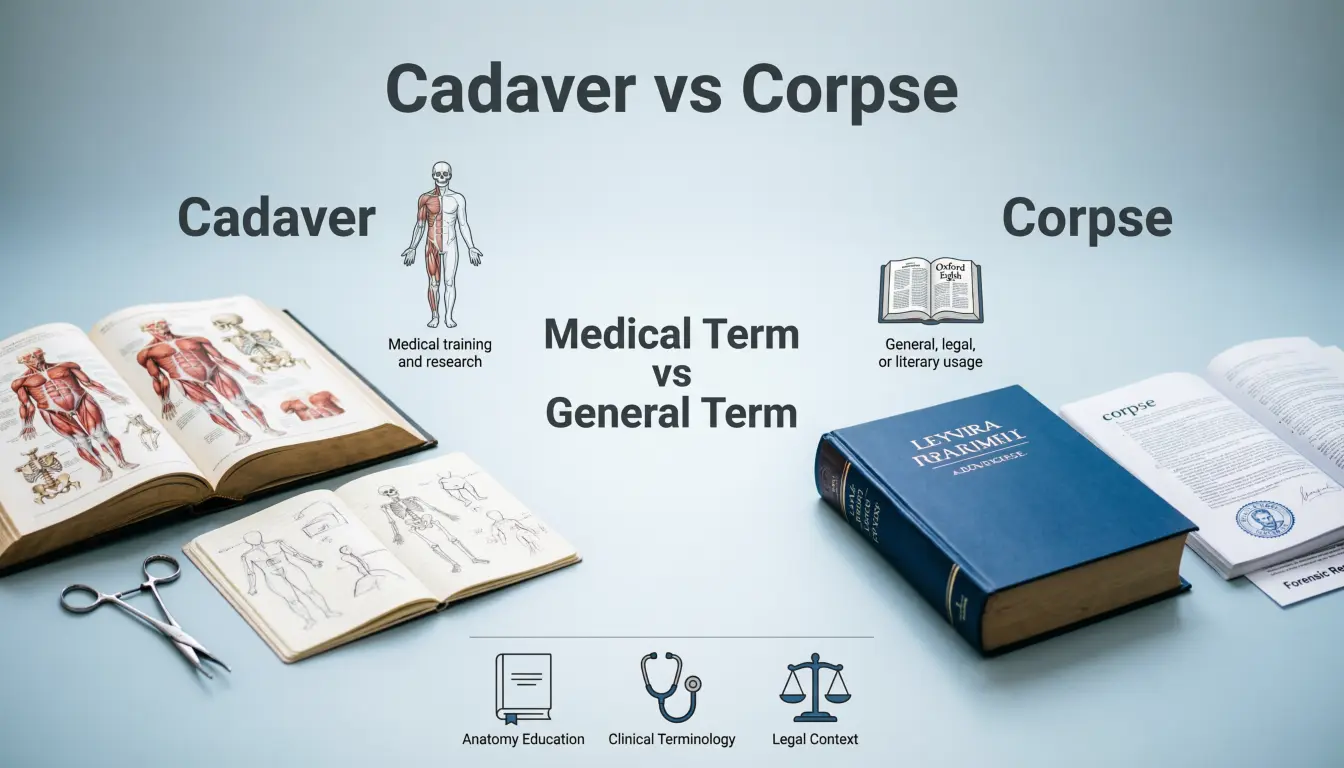
Cadaver vs Corpse: What’s the Difference and Which Word Should You Use?

Cadaver vs Corpse

“Cadaver” and “corpse” are both correct words, but they are used in different contexts. “Cadaver” is a formal medical or scientific term for a dead human body, especially one used for research or education, while “corpse” is a more general term for a dead human body, often used in everyday, literary, or legal contexts. Have … Read more

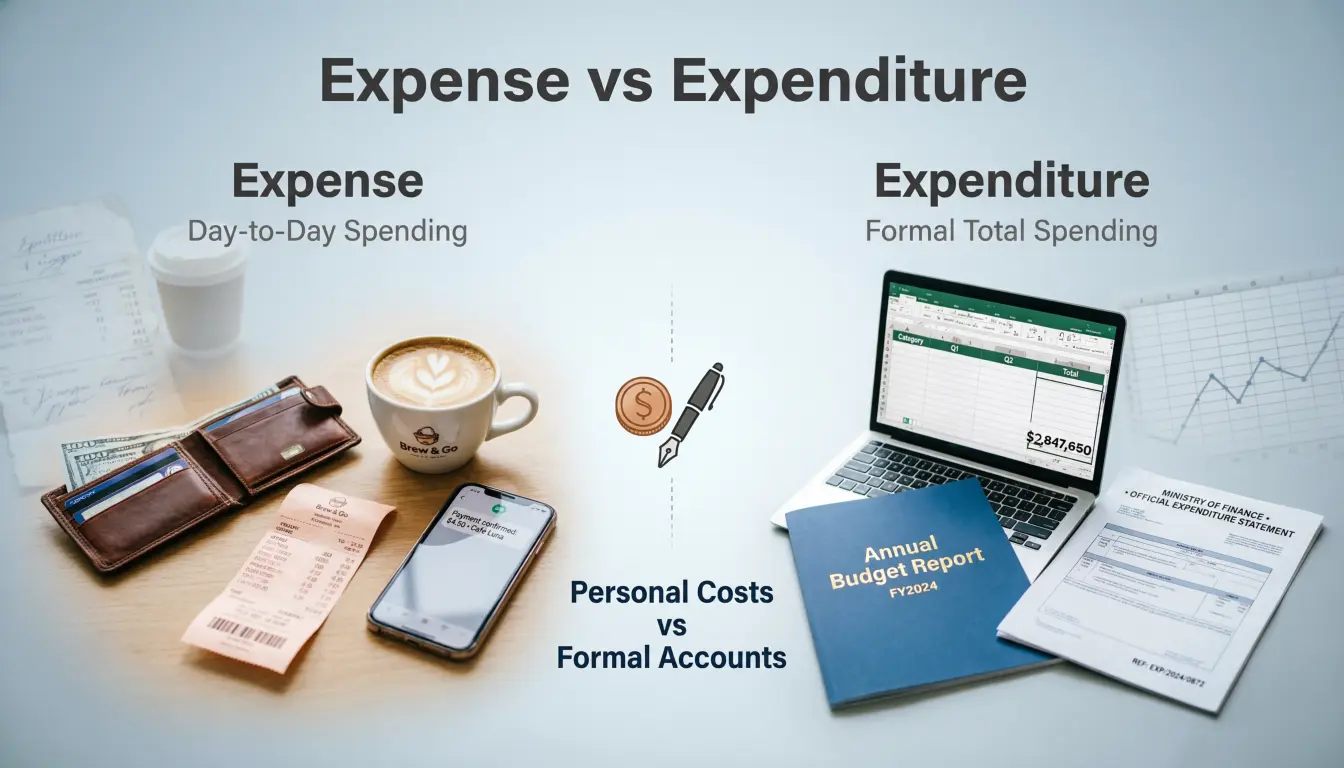
Expense vs Expenditure: What’s the Difference and Which Term Should You Use?

Expense vs Expenditure

“Expense” and “expenditure” are both correct words, but they are used differently in finance and writing. “Expense” refers to money spent on everyday costs or operational items, while “expenditure” is a more formal term referring to the act of spending money or the total amount spent, often in budgets or official accounts. Have you ever … Read more

Mortality vs Fatality: What’s the Difference and When Should You Use Each?

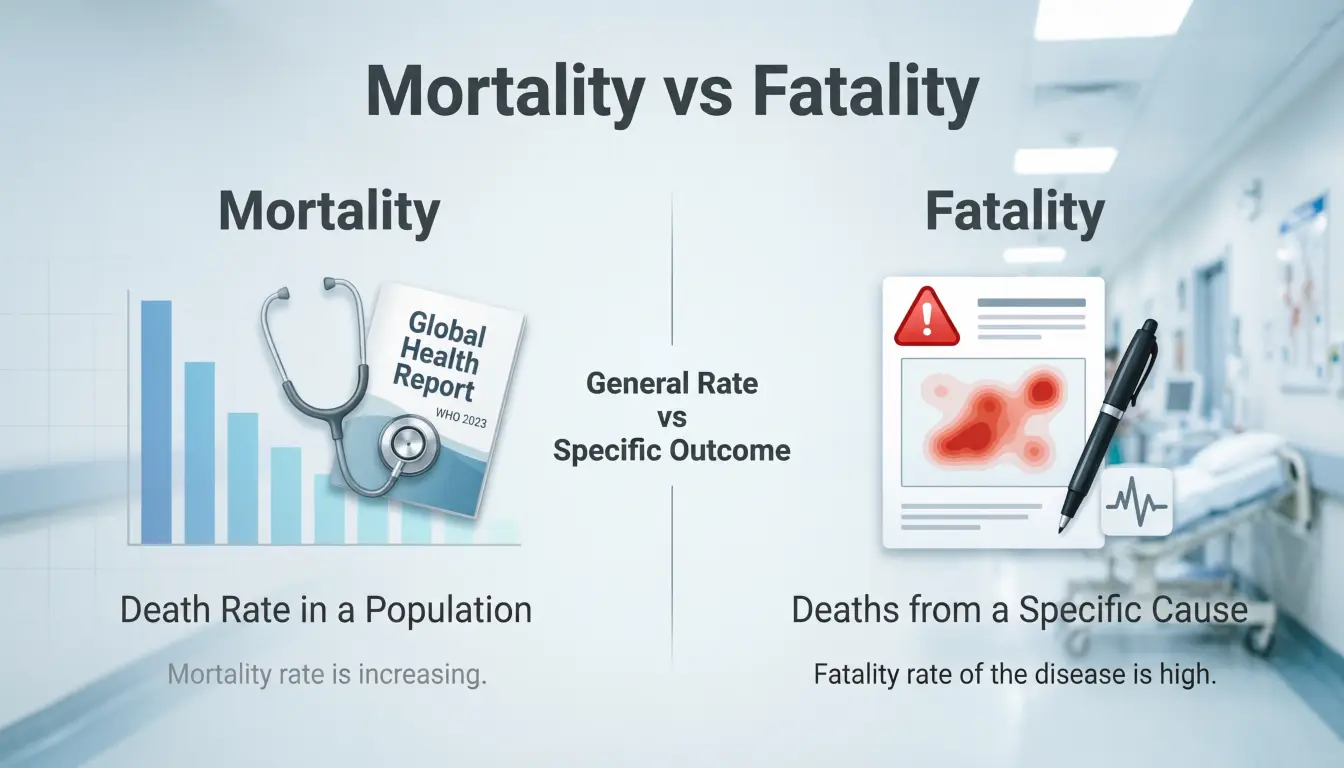
Mortality vs Fatality

“Mortality” and “fatality” are both correct words, but they are used in different ways. “Mortality” refers to death in general or the rate of death in a population, while “fatality” refers to a specific death caused by an accident, disease, or event. Many people use mortality and fatality as if they mean the same thing. … Read more

Work in Progress vs Work in Process: What’s the Difference and Which One Should You Use?

Work in Progress vs Work in Process

“Work in progress” and “work in process” are both correct phrases, but they are used in different contexts. “Work in progress (WIP)” refers to unfinished work that is actively being developed, especially in creative, design, writing, or project contexts, while “work in process” is more often used in manufacturing or business contexts to describe items … Read more

Work Day vs Workday: What’s the Difference and Which One Should You Use?

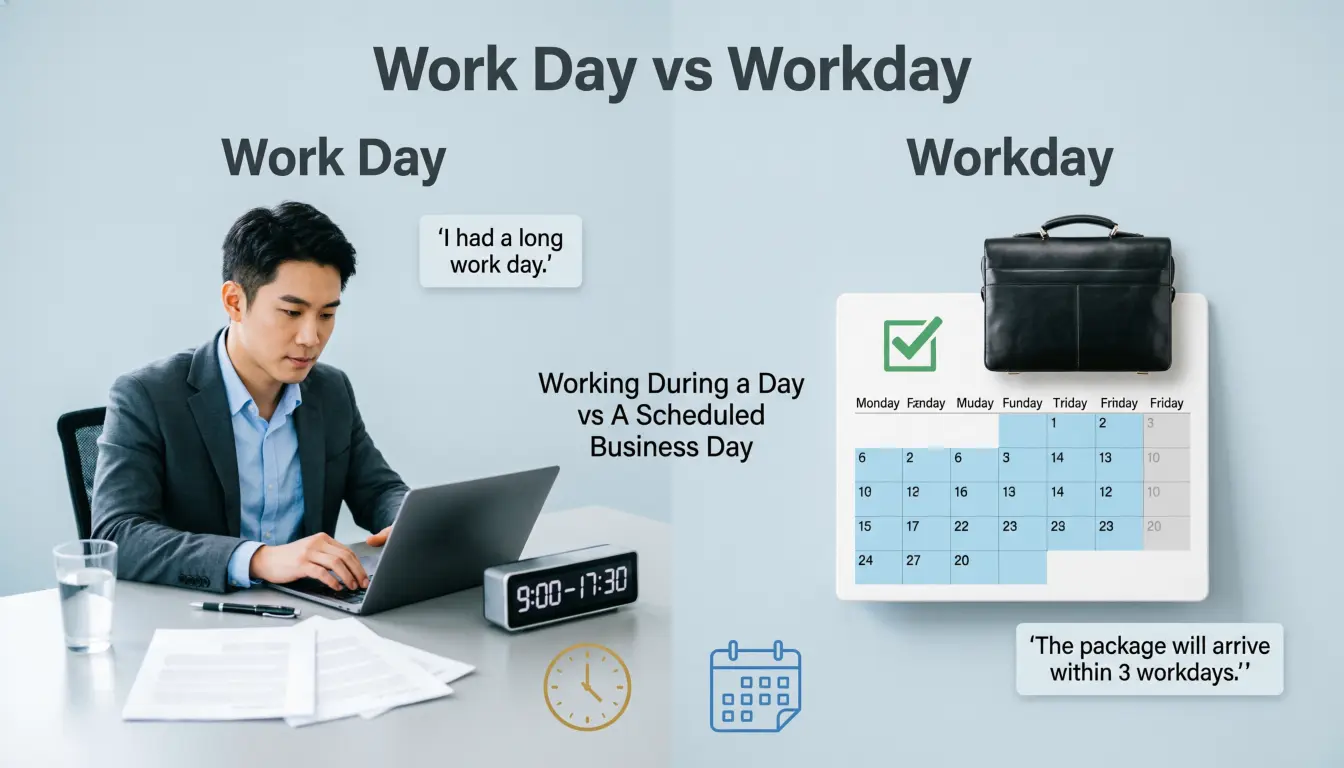
Work Day vs Workday

“Work day” and “workday” are both correct, but they have different meanings. “Work day” (two words) refers to the hours or period during which someone works (e.g., I had a long work day), while “workday” (one word) usually refers to a regular business day or weekday when work is done (e.g., Your order will arrive … Read more

Cloth vs Clothe: What’s the Difference and Which One Should You Use?

Cloth vs Clothe

“Cloth” and “clothe” are both correct words, but they have different meanings. “Cloth” is a noun referring to fabric or material used for making clothes and other items, while “clothe” is a verb meaning to dress or provide someone with clothing. Have you ever stopped while writing and wondered whether to use cloth or clothe? … Read more

Broke vs Broken: What’s the Difference and Which One Should You Use?

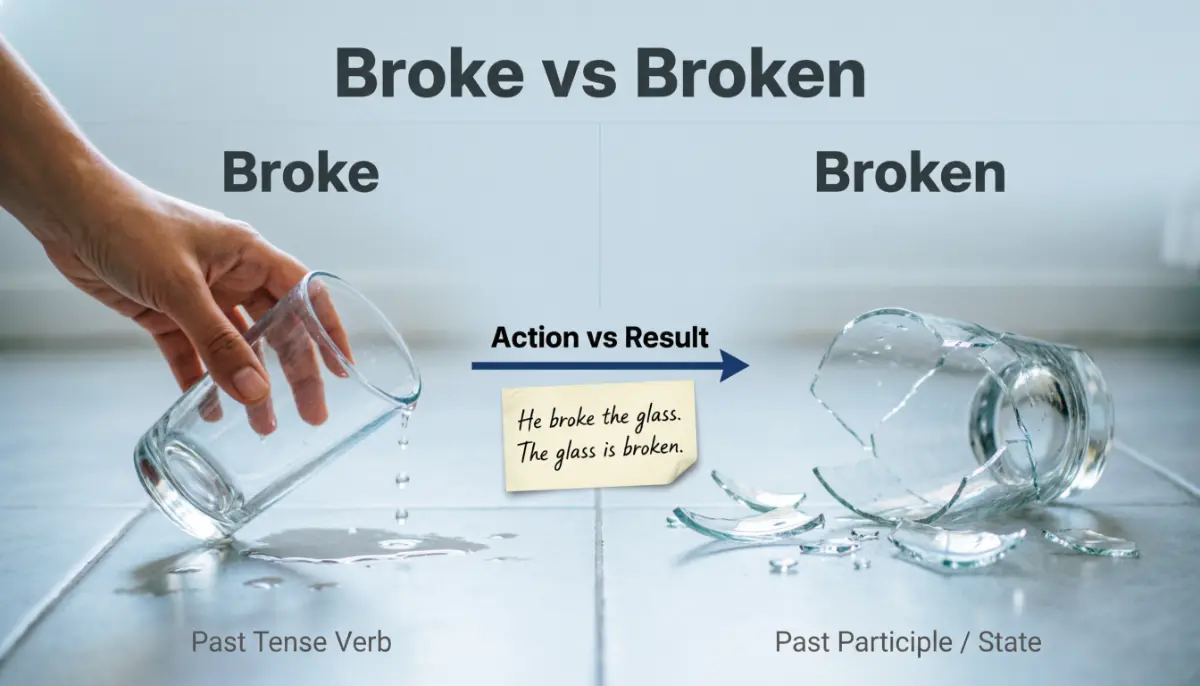
Broke vs Broken

“Broke” and “broken” are both correct forms of the verb break, but they are used differently. “Broke” is the simple past tense (used on its own), while “broken” is the past participle (used with helping verbs like has, have, had) and also functions as an adjective. Many English learners and native speakers get confused by … Read more

Onto vs Unto: What’s the Difference and Which One Should You Use?

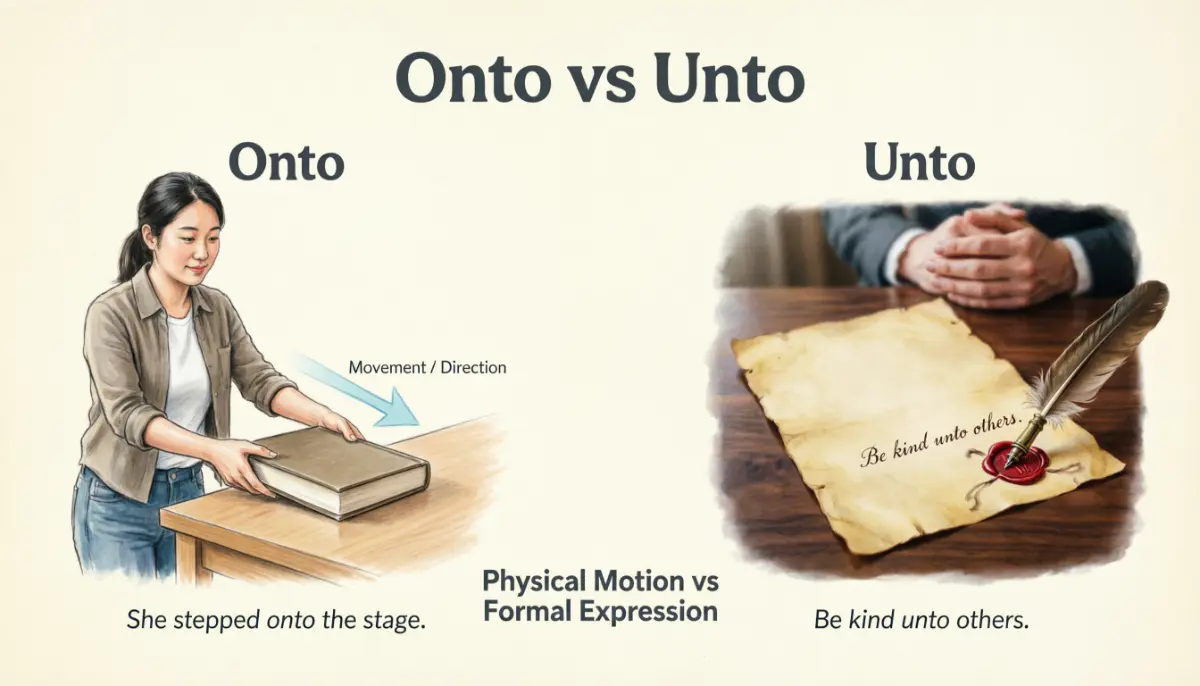
Onto vs Unto

“Onto” and “unto” are both correct words, but they are used in very different ways. “Onto” refers to movement toward a surface (e.g., He jumped onto the table), while “unto” is an older or more formal word meaning to or toward someone, often used in literary or religious contexts (e.g., peace unto you). Many English … Read more

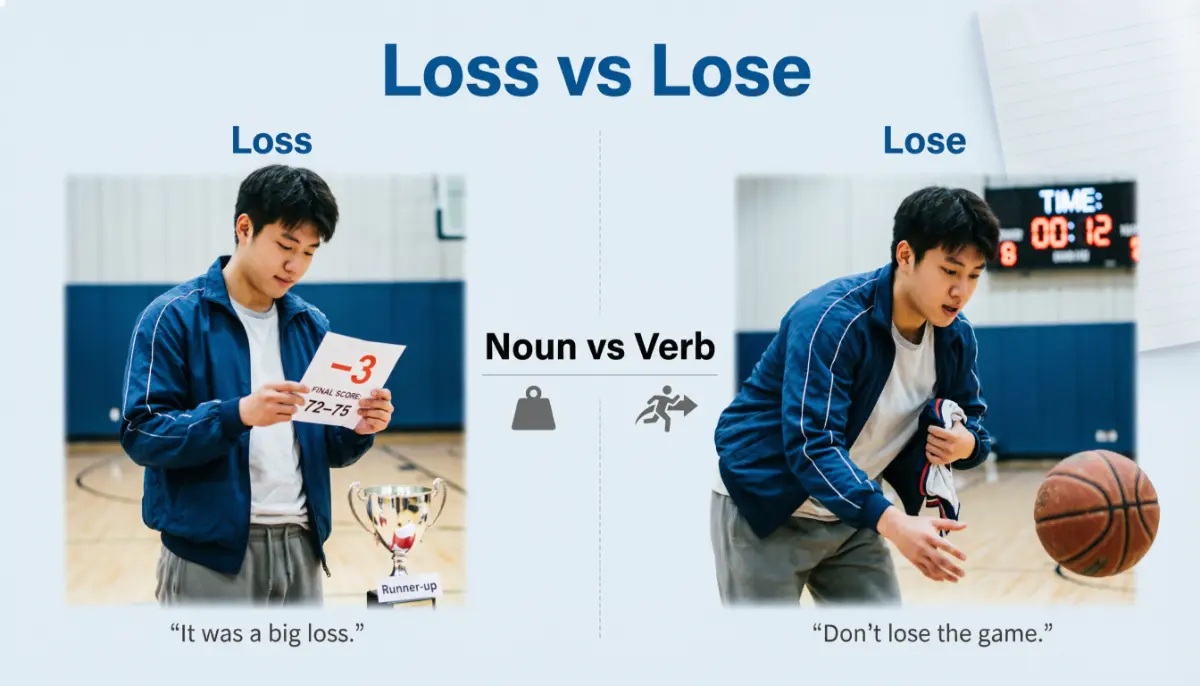
Loss vs Lose: What’s the Difference and Which One Should You Use?

Loss vs Lose

“Loss” and “lose” are both correct words, but they serve different grammatical functions. “Loss” is a noun meaning the act of losing something or the state of no longer having it, while “lose” is a verb meaning to fail to keep, find, win, or retain something. Have you ever written “I don’t want to loss … Read more