Expiry vs Expiration: What’s the Difference and Which One Should You Use?
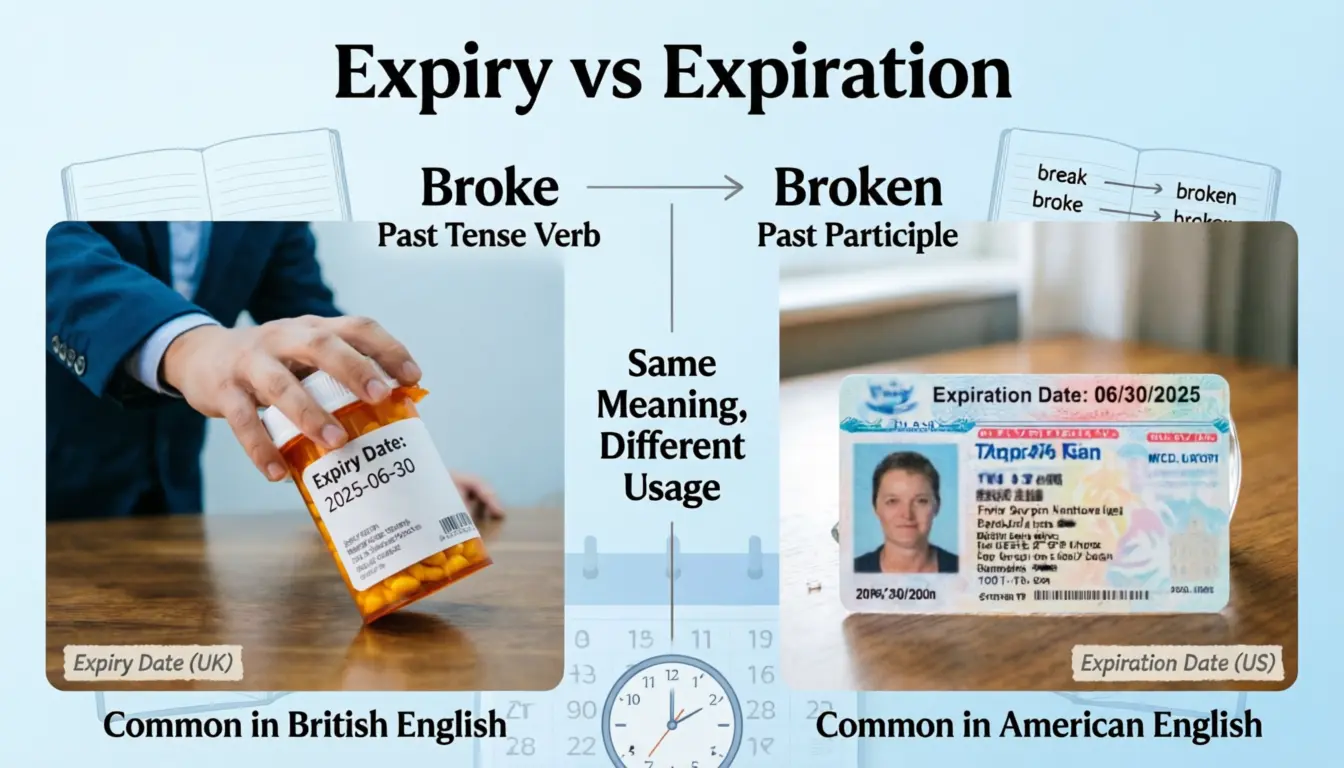
“Expiry” is more common in British English and often appears on documents, licenses, and product labels, while “expiration” is the ...
Read more
Broke vs Broken: What’s the Difference and Which One Should You Use?
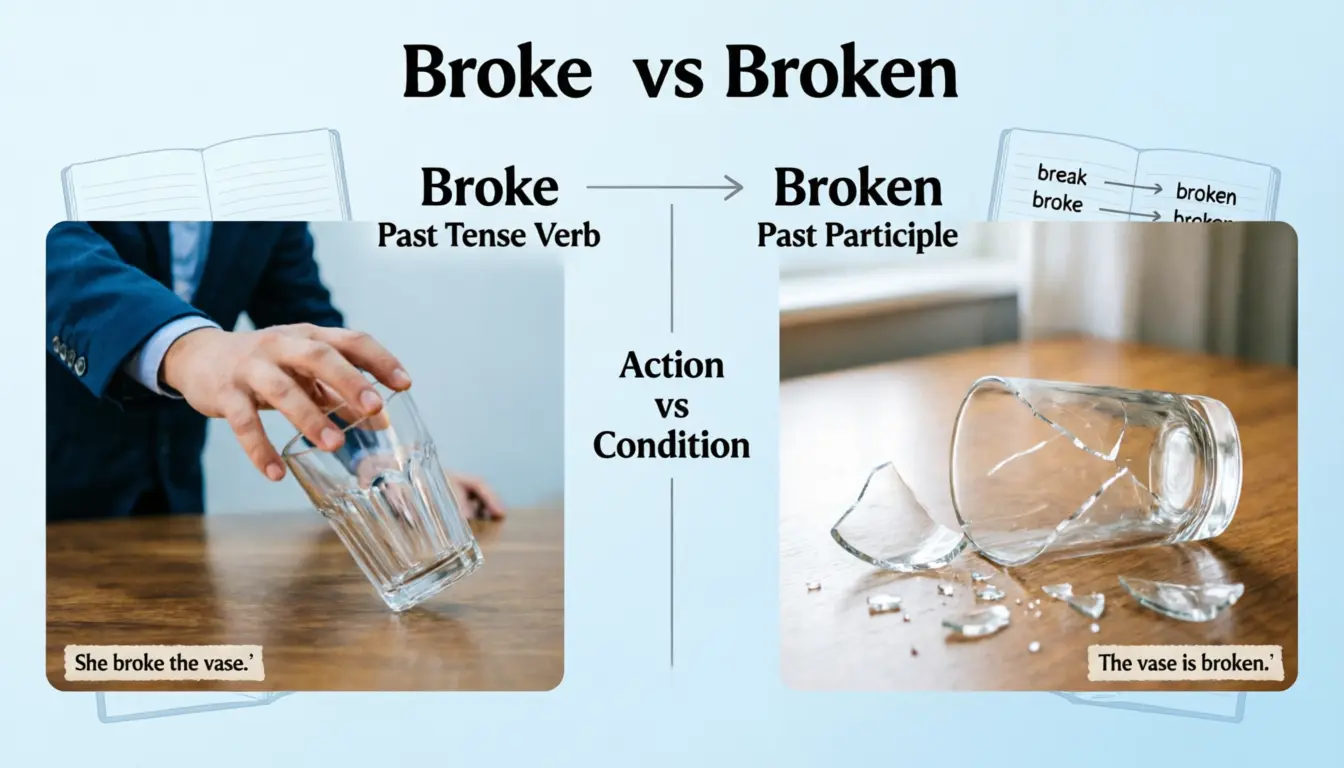
“Broke” is the simple past tense (used alone), while “broken” is the past participle (used with helping verbs like has, ...
Read more
Invokes vs Evokes: What’s the Difference and When Should You Use Each?
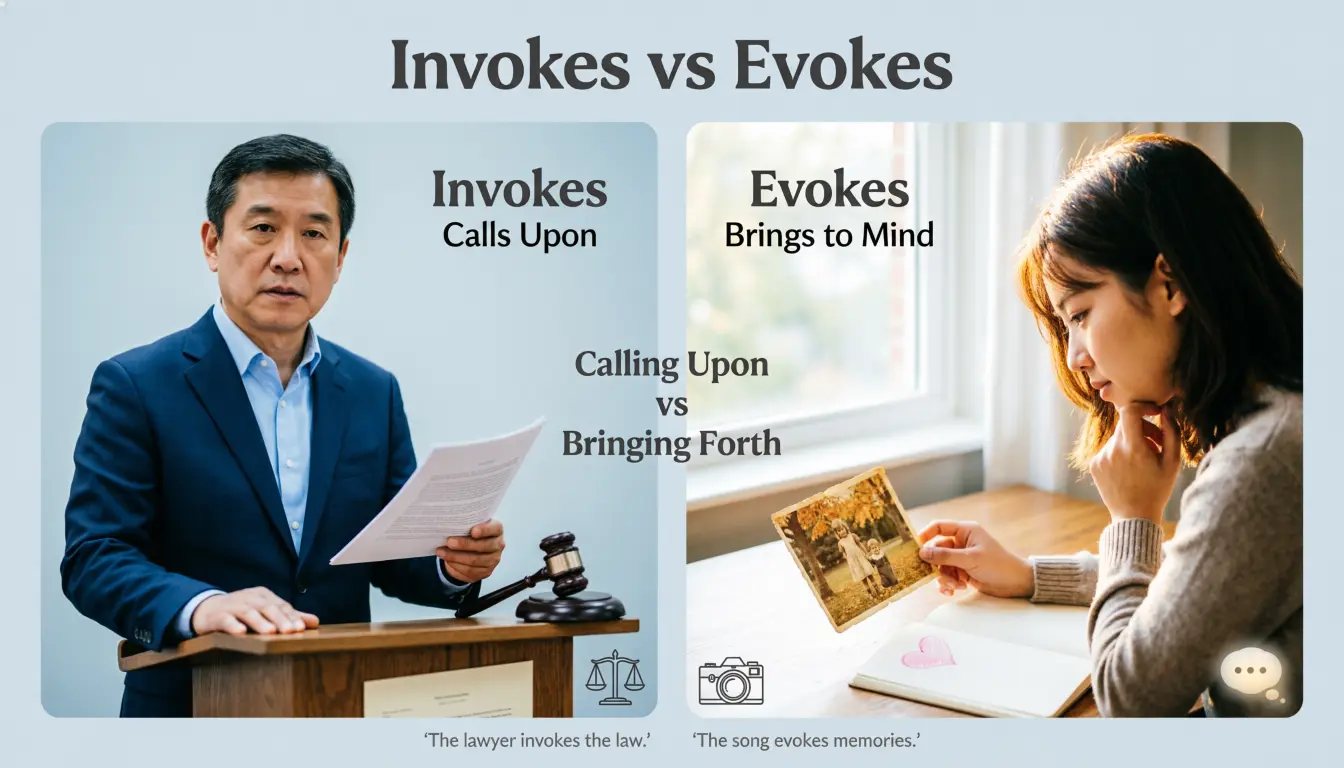
“Invokes” means to call upon, appeal to, or bring something into effect, while “evokes” means to bring a feeling, memory, ...
Read more
T Shirt vs Tee Shirt: Which Spelling Is Correct and When Should You Use It?
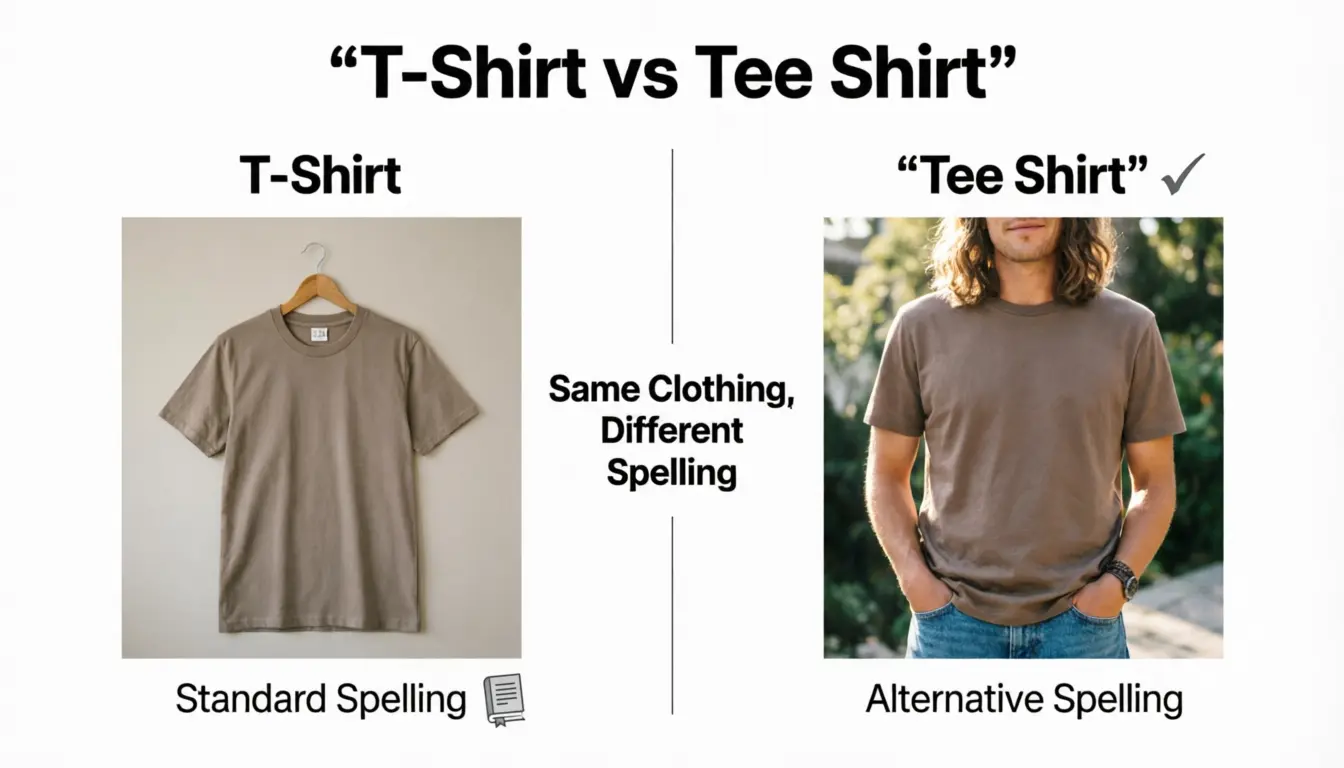
“T-shirt” is the more common and widely accepted spelling in modern English, while “tee shirt” is an alternative variant that ...
Read more
Package vs Packet: What’s the Difference and Which Word Should You Use?
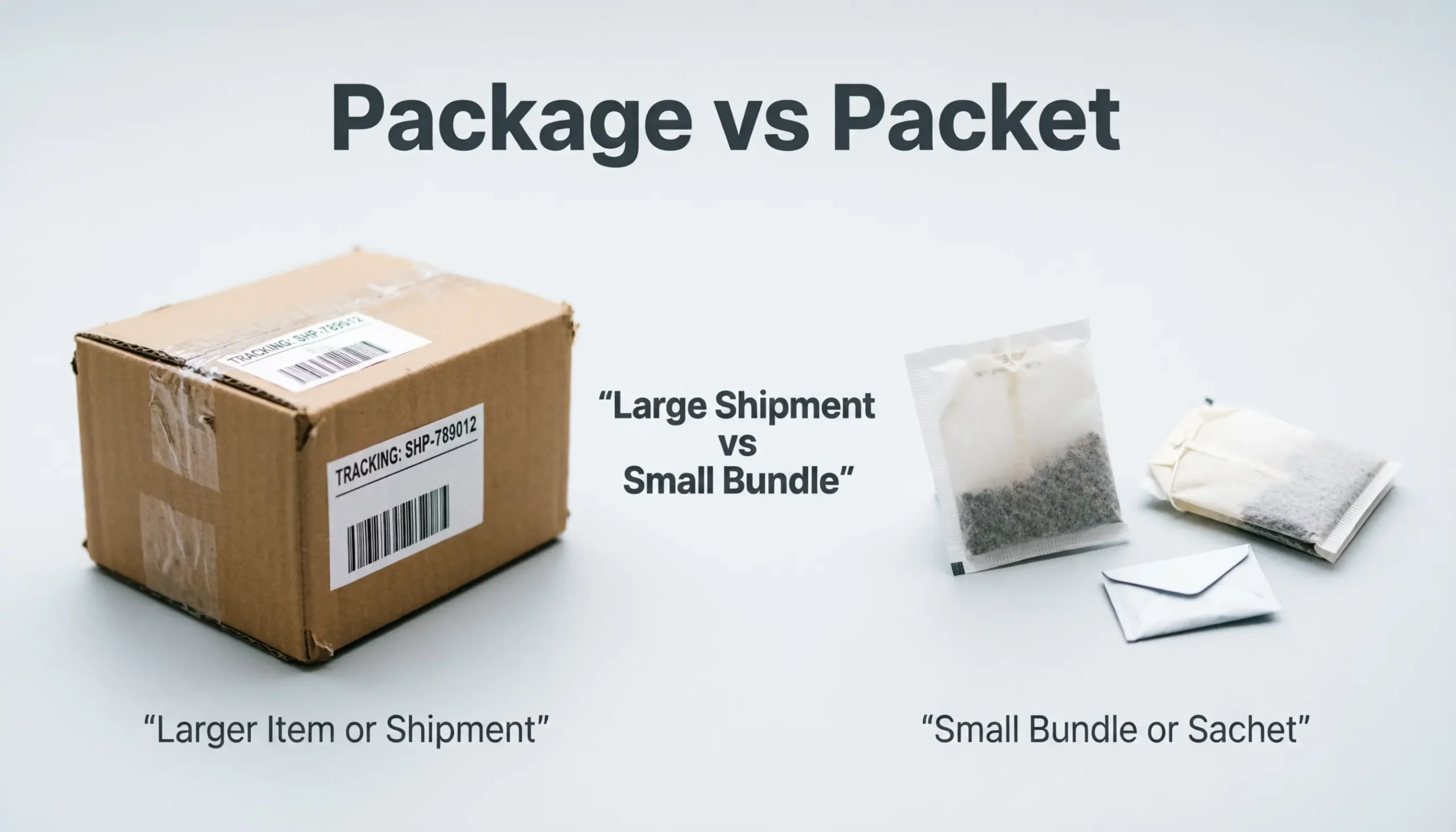
“Package” is a general term for a wrapped or boxed item, often larger in size, while “packet” usually refers to ...
Read more
Anyway vs Any Way: What’s the Difference and Which One Should You Use?
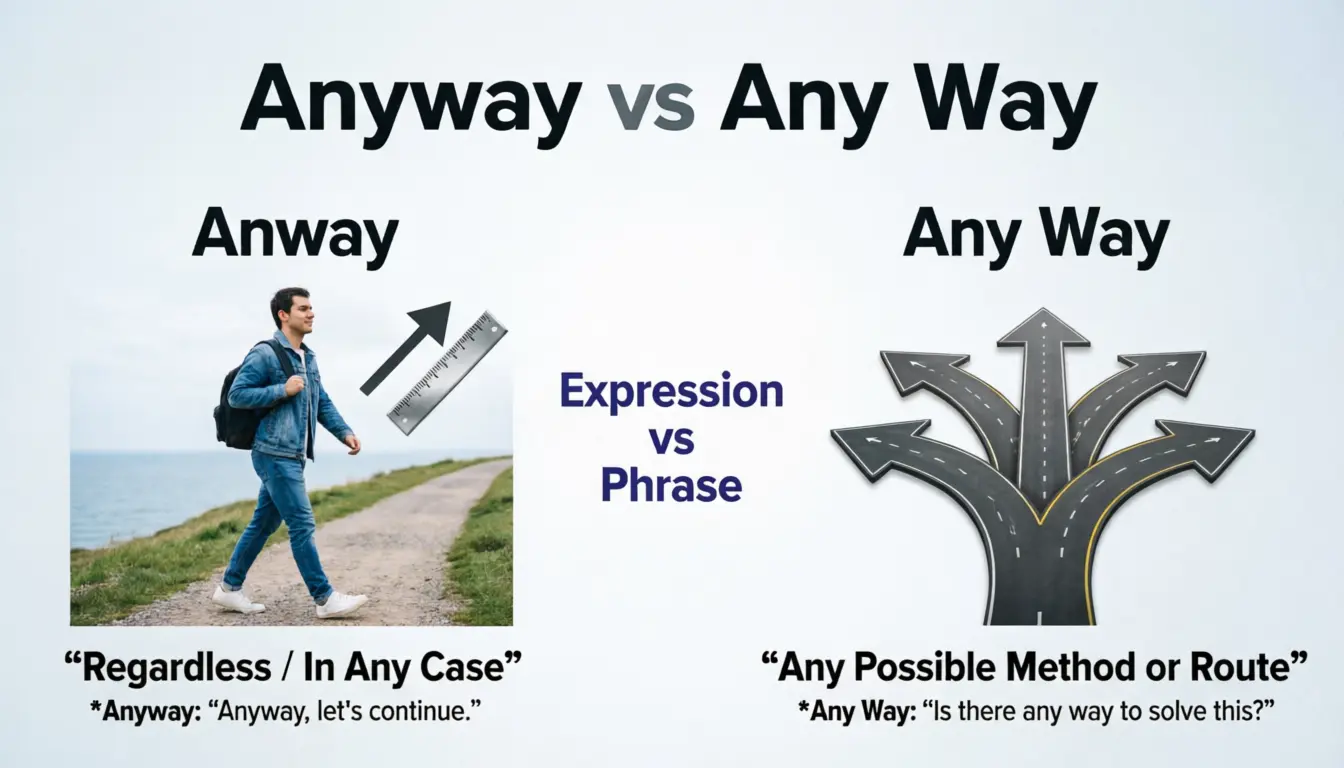
“Anyway” is an adverb meaning regardless, in any case, or moving on to another point, while “any way” refers to ...
Read more
Straight vs Strait – What’s the Difference and Which Word Should You Use?
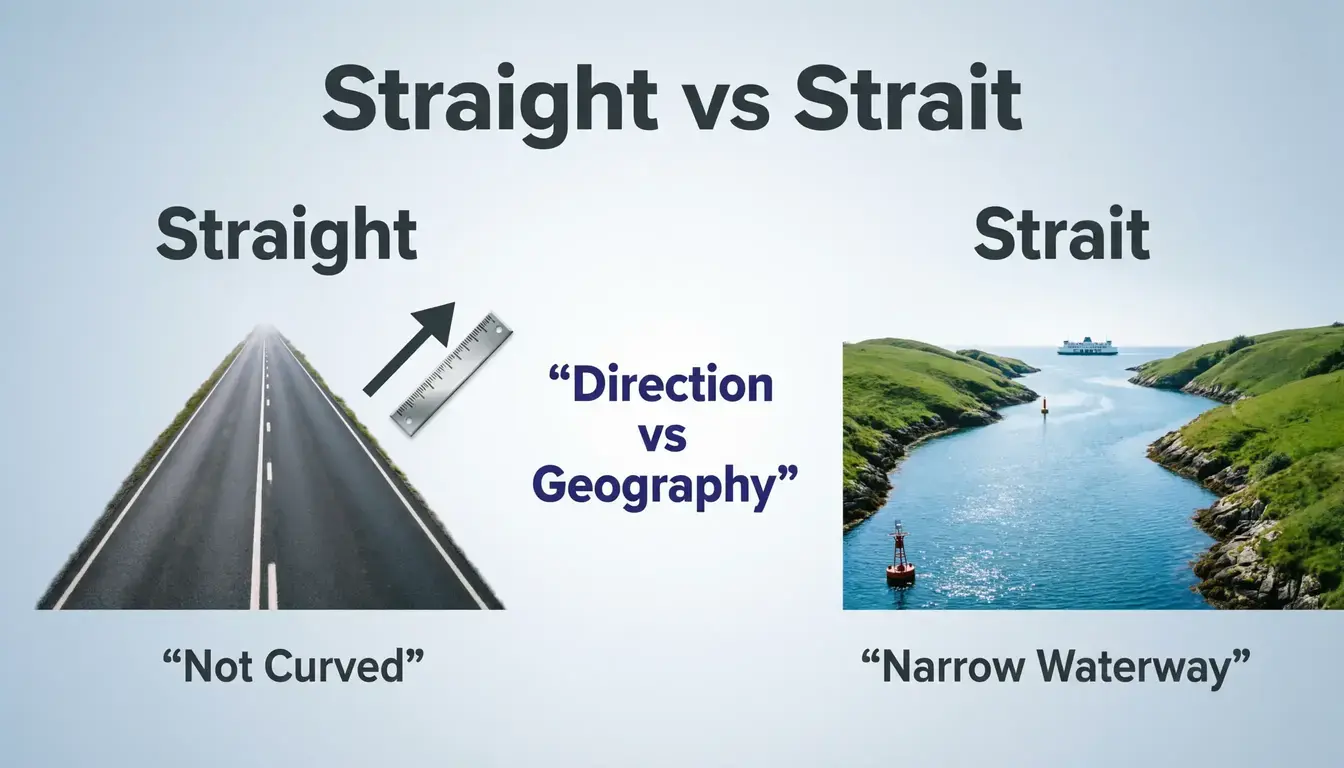
“Straight” usually means not curved, direct, or honest, while “strait” is a noun referring to a narrow water passage connecting ...
Read more
Sensitive vs Sensible: What’s the Difference and Which Word Should You Use?
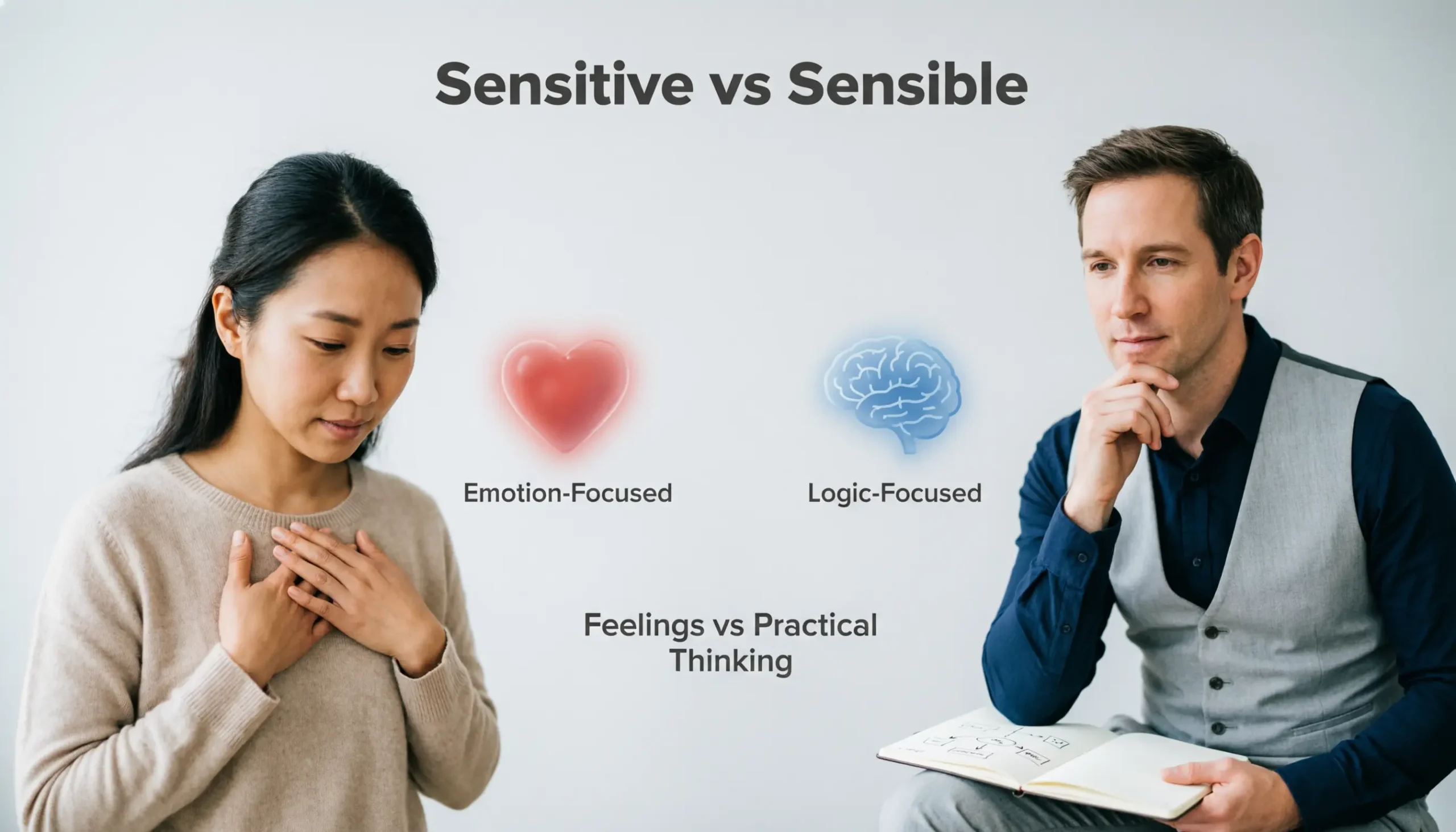
“Sensitive” means easily affected by emotions, feelings, or external conditions, while “sensible” means practical, reasonable, and showing good judgment. Many ...
Read more
Labor Day vs Labour Day: What’s the Difference and Which Spelling Is Correct?
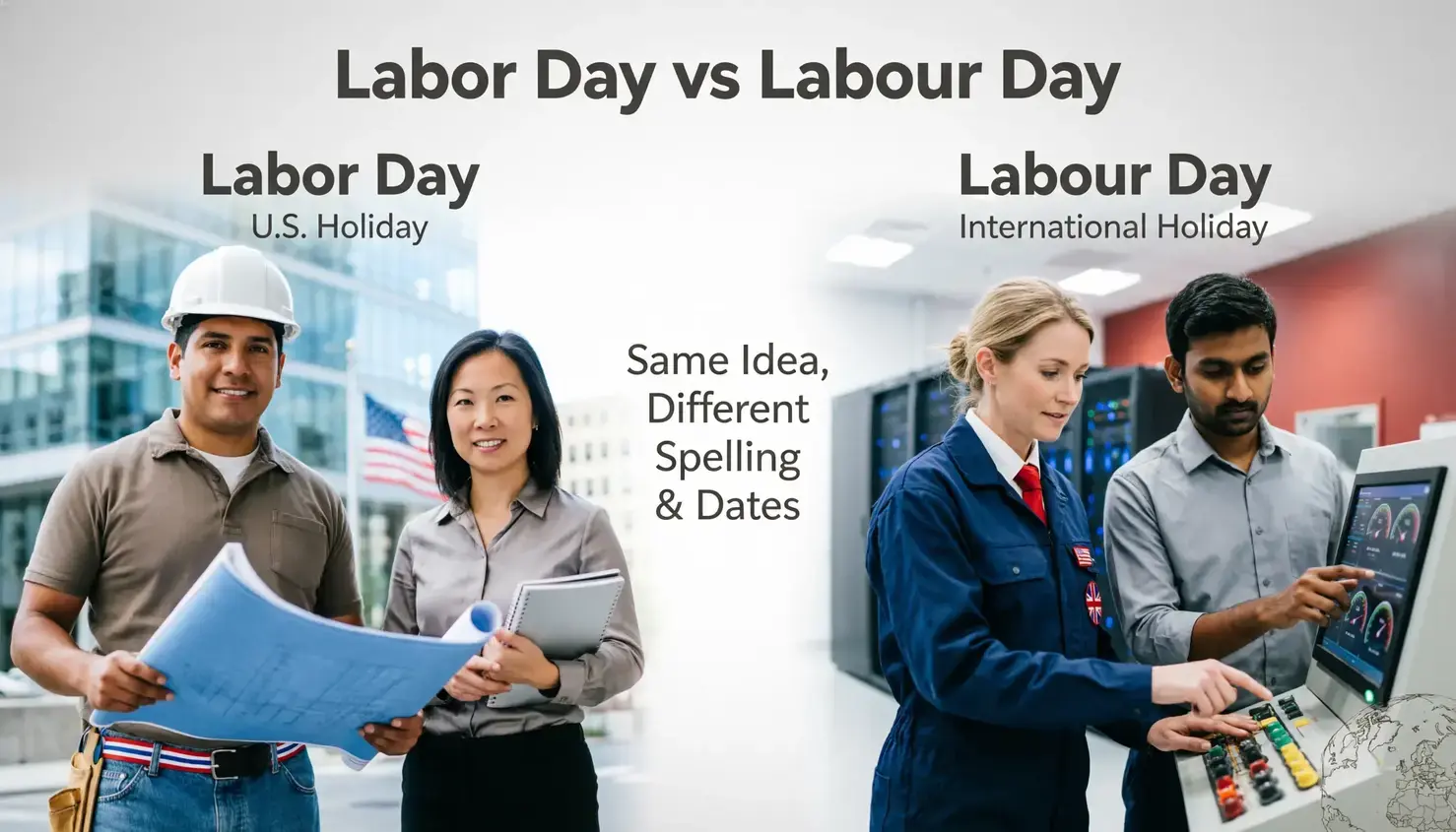
“Labor Day” is the American English spelling used in the United States, while “Labour Day” is the British English spelling ...
Read more
Chief vs Chef: What’s the Difference and Which Word Should You Use
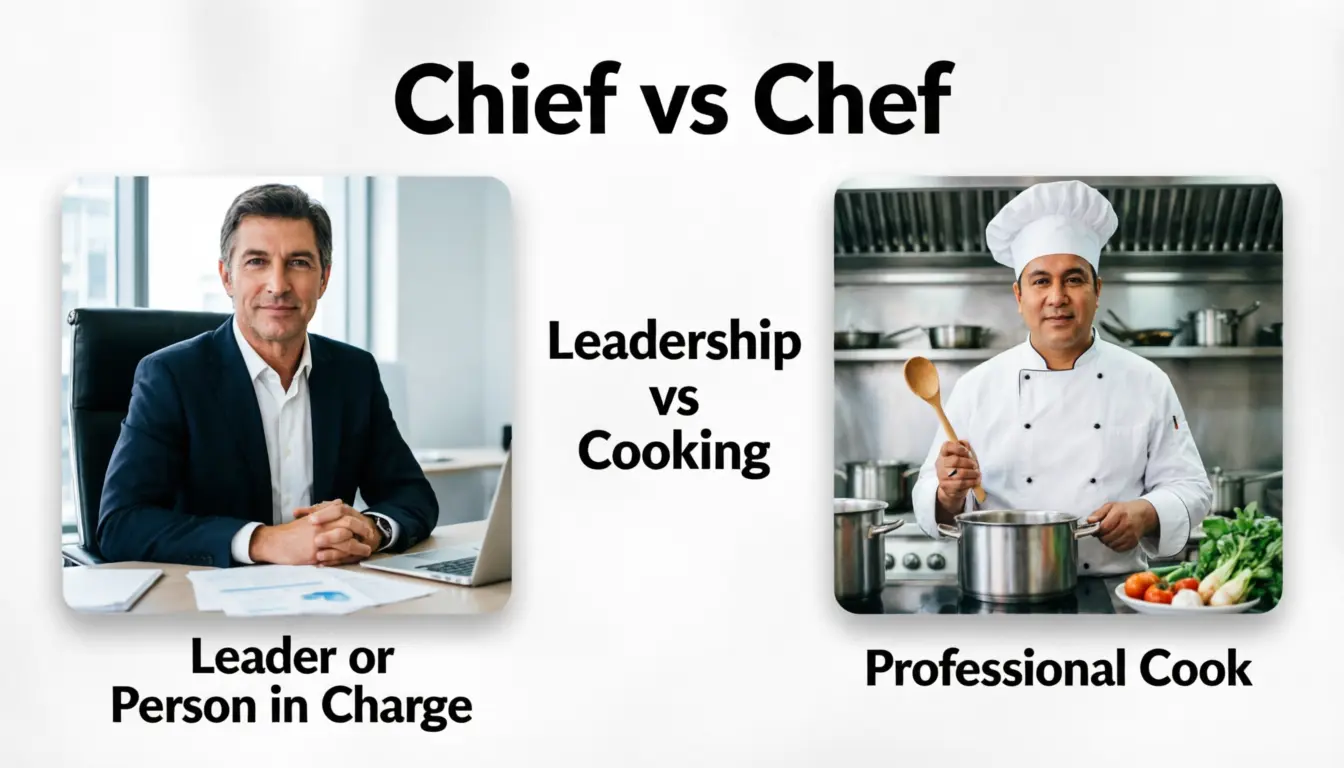
“Chief” is a noun or adjective referring to a leader, head, or person in charge, while “chef” is a noun ...
Read more