Composer vs Arranger: What’s the Difference and When Should You Use Each?

“Composer” and “arranger” are both correct musical terms, but they refer to different roles. “Composer” is a person who creates ...
Read more
Blooming vs Blossoming: What’s the Difference and Which Word Should You Use?
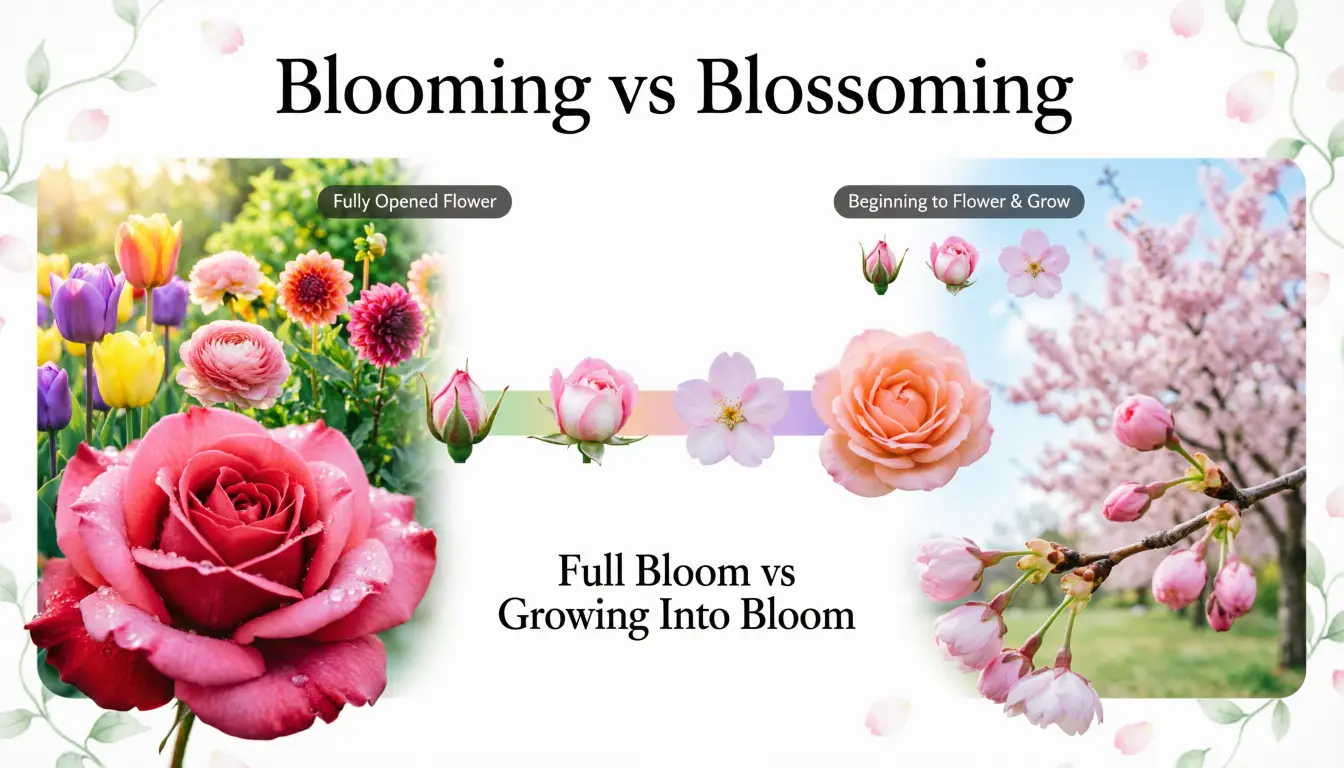
“Blooming” and “blossoming” are both correct words, but they have slightly different uses. “Blooming” refers to the act of producing ...
Read more
Inversely vs Conversely: What’s the Difference and When Should You Use Each?
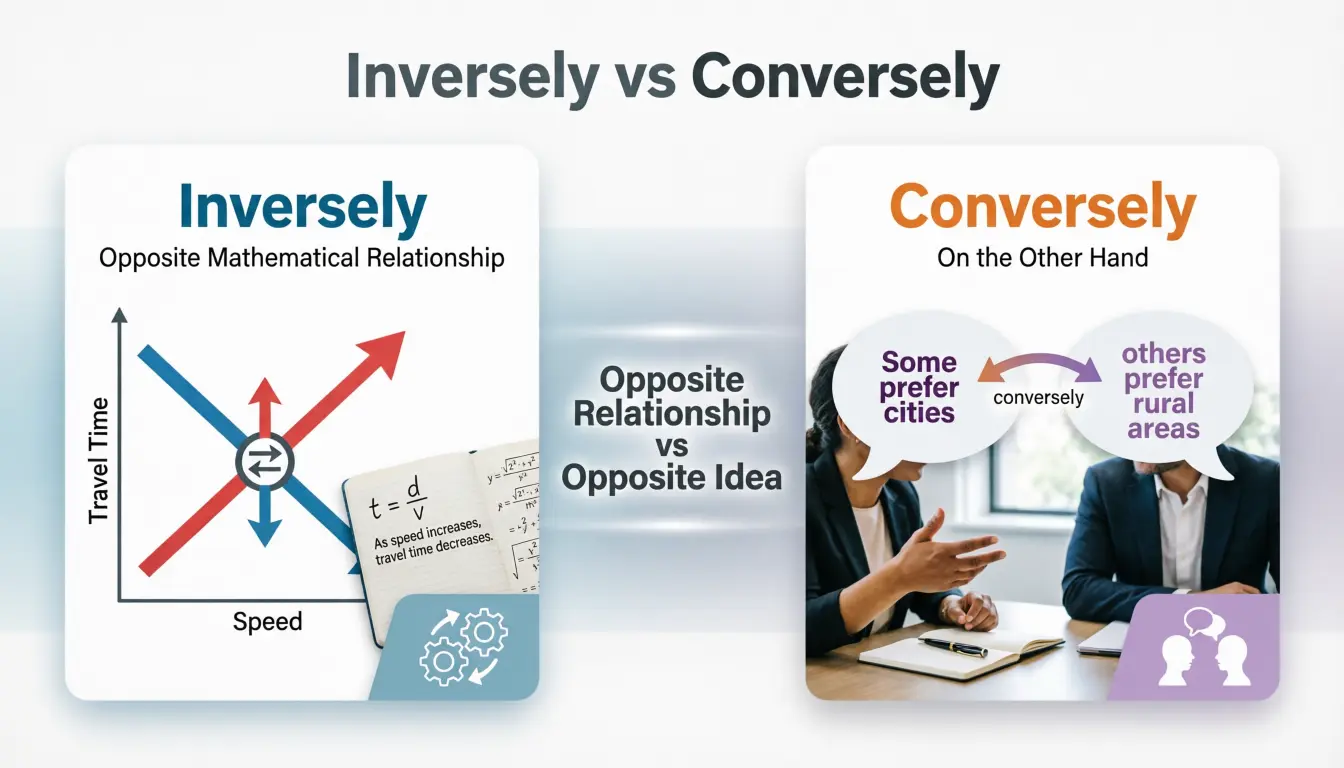
“Inversely” and “conversely” are both correct words, but they have different meanings. “Inversely” means in an opposite or reverse relationship ...
Read more
Homey vs Homely: What’s the Difference and Which Word Should You Use?

“Homey” and “homely” are both correct words, but they have very different meanings depending on region. “Homey” (mainly American English) ...
Read more
Reply vs Response: What’s the Difference and When Should You Use Each?

“Reply” and “response” are both correct words, but they are used slightly differently. “Reply” usually refers to a direct answer ...
Read more
Bicycle vs Bike: What’s the Difference and Which Word Should You Use?

“Bicycle” and “bike” are both correct words, but they differ in formality. “Bicycle” is the formal term for a two-wheeled ...
Read more
Bro vs Bruh: What’s the Difference and Which One Should You Use?
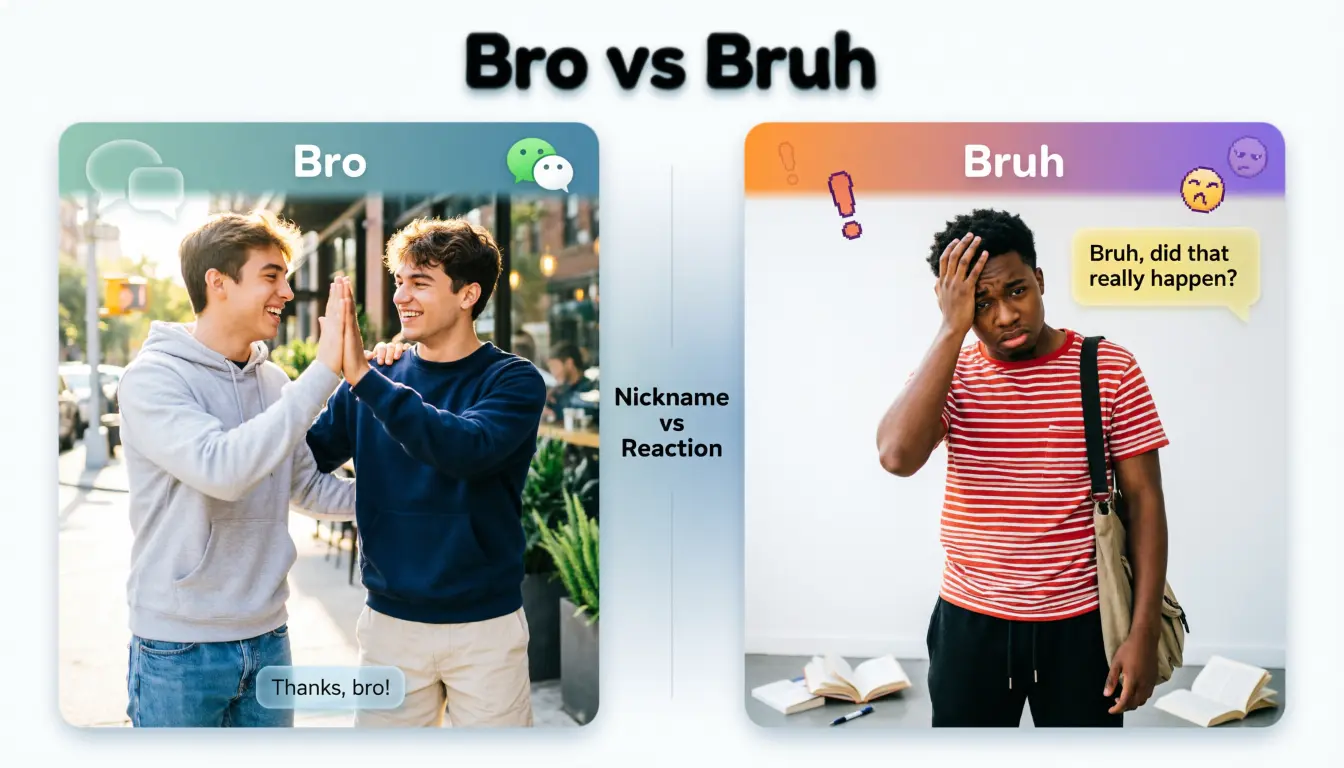
“Bro” and “bruh” are both informal slang terms, but they are used differently. “Bro” is a friendly term for brother, ...
Read more
Genius vs Prodigy: What’s the Difference and Which Word Should You Use?

“Genius” and “prodigy” are both correct words, but they describe different kinds of exceptional ability. “Genius” refers to a person ...
Read more
Caliper vs Caliber: What’s the Difference and Which Word Should You Use?

“Theoretically” and “hypothetically” are both correct words, but they are used differently. “Theoretically” means based on theory or principles, in ...
Read more
Theoretically vs Hypothetically: What’s the Difference and When Should You Use Each?

“Theoretically” and “hypothetically” are both correct words, but they are used differently. “Theoretically” means based on theory or principles, in ...
Read more