Flew Or Flown – What’s the Difference and Which One Should You Use?
“Flew” is the simple past tense (used alone), while “flown” is the past participle (used with helping verbs like has, ...
Read more
Ether Or Either – Which Word Is Correct and When Should You Use It for 2026?
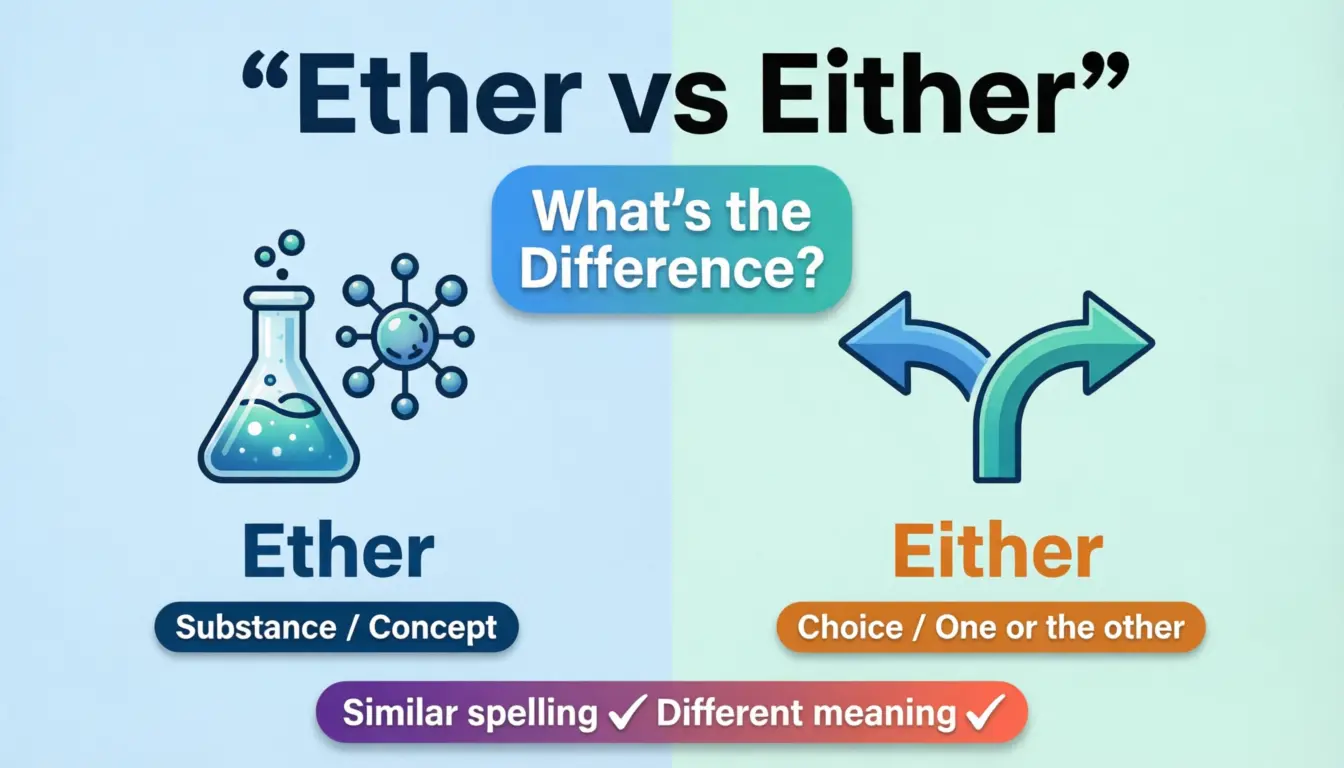
“Ether” is a noun that can refer to a chemical substance or, historically, the upper sky/space, while “either” is a ...
Read more
Nevertheless Or Nonetheless – Which Word Should You Use for 2026?
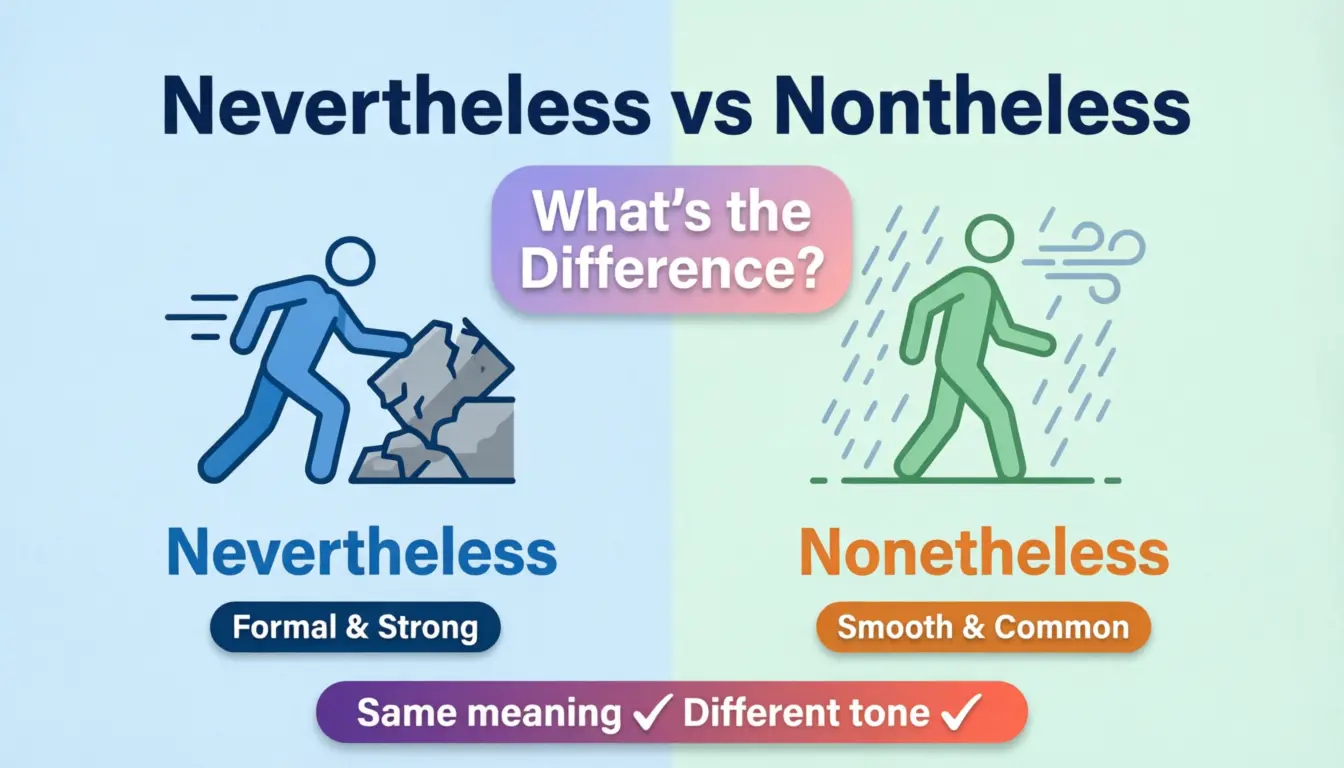
“Nevertheless” is used to show contrast or despite something that was said before, while “nonetheless” means the same but is ...
Read more
Socialise Or Socialize – Which Spelling Is Correct for 2026?
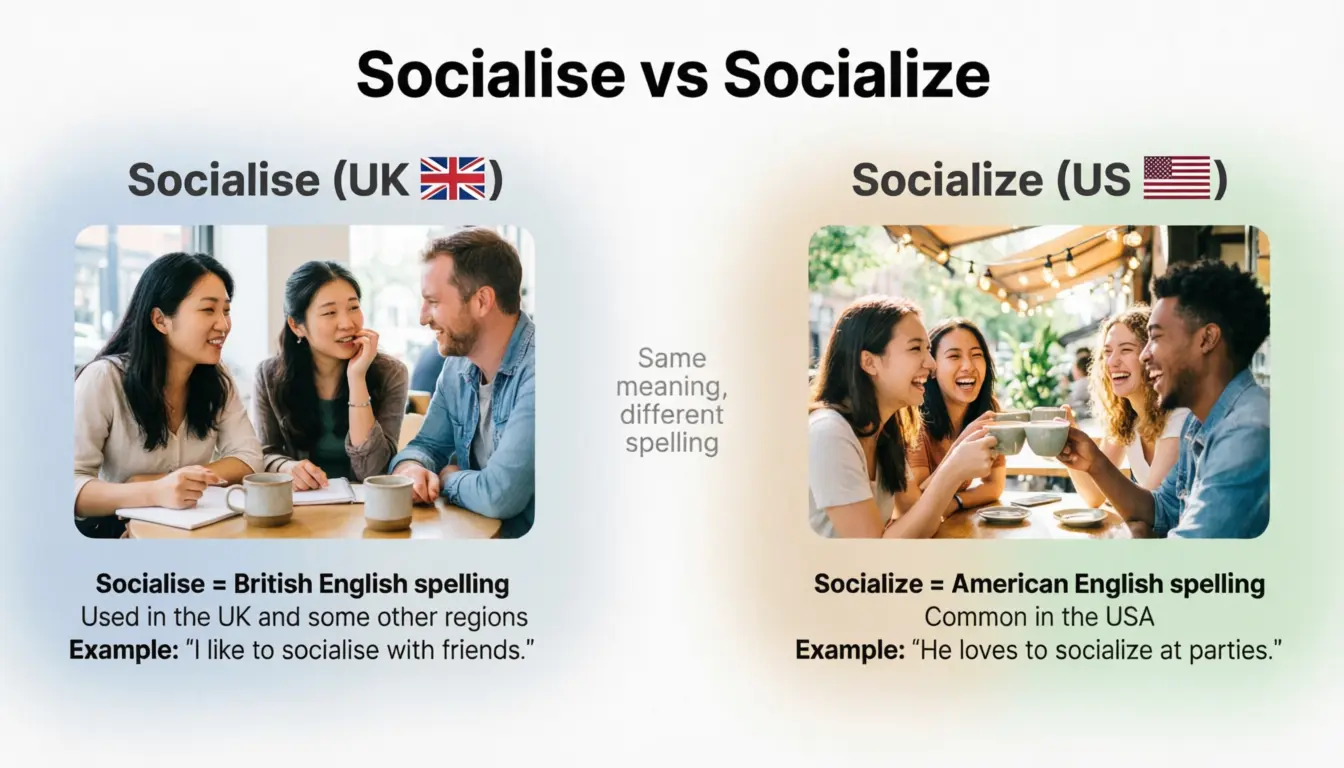
“Socialise” is the British English spelling, while “socialize” is the American English spelling, and both mean to interact and spend ...
Read more
Waving Or Waiving – What’s the Difference and Which Word Should You Use?
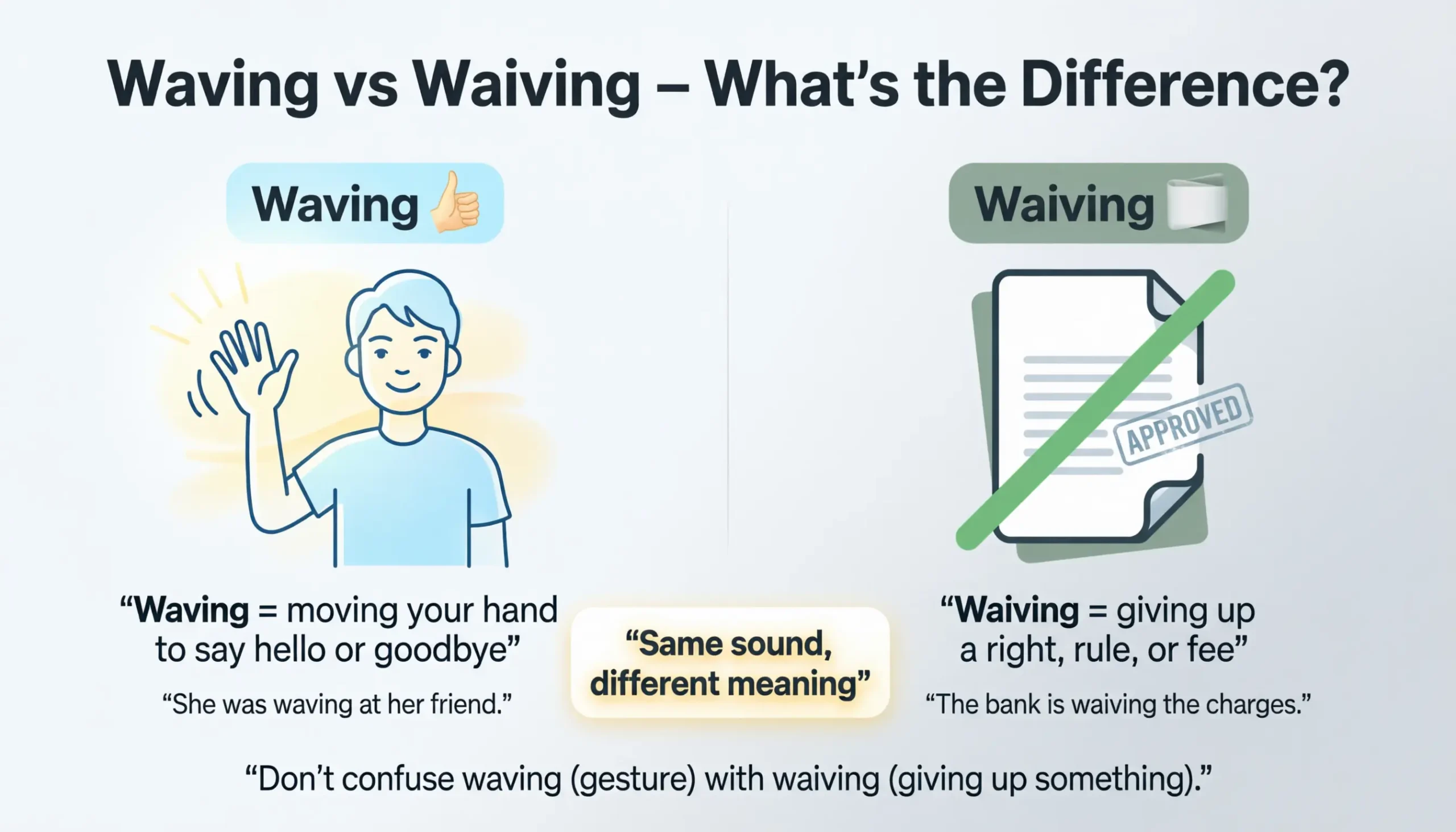
“Waving” is the present participle of wave, meaning to move your hand or something back and forth, while “waiving” is ...
Read more
Cataloguing Or Cataloging – Which Spelling Is Correct for 2026?
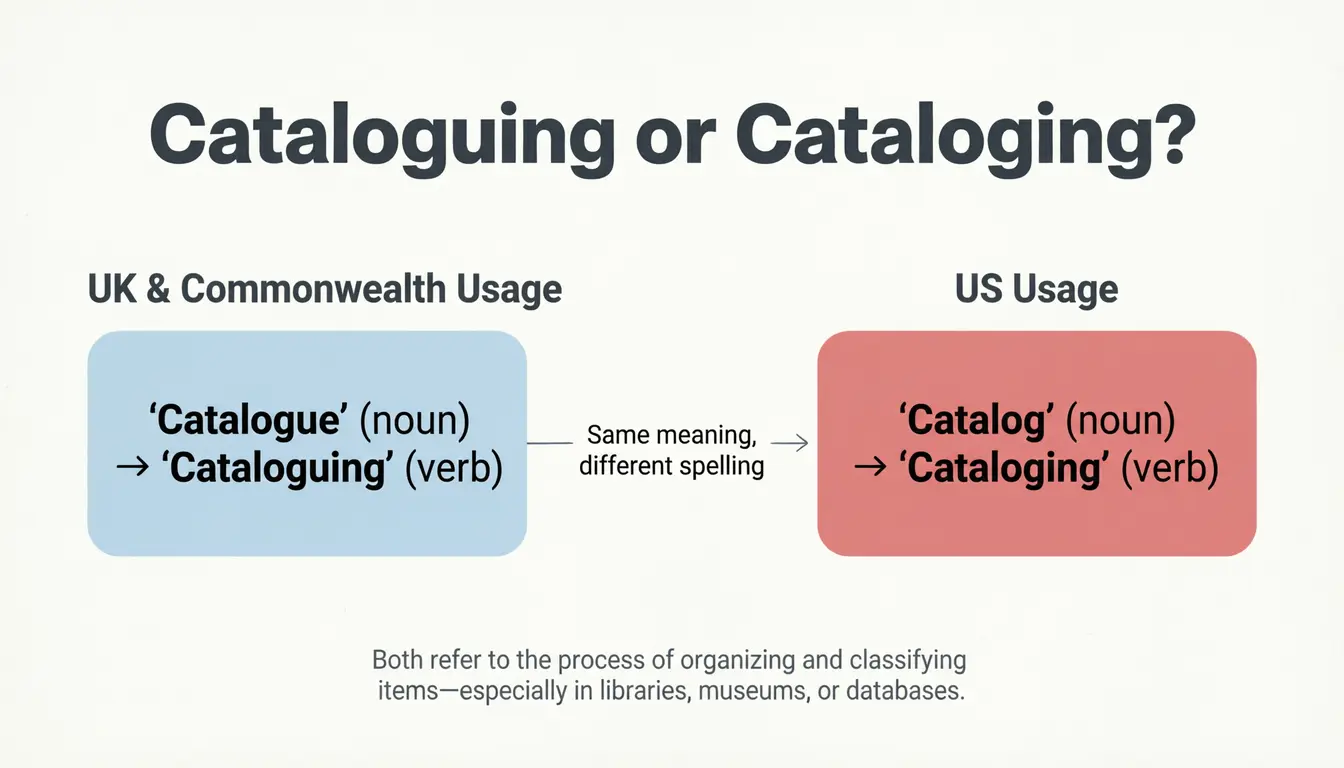
Have you ever stopped while writing and wondered: is it cataloguing or cataloging? You are not alone. This spelling question ...
Read more
Buy Or Bye – What’s the Difference and Which One Should You Use for 2026?
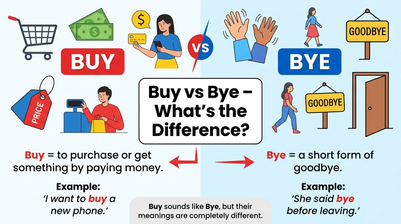
“Buy” is a verb meaning to purchase something, while “bye” is used as a farewell or to mean goodbye. “Buy” ...
Read more
Goodmorning Or Good Morning – Which One Is Correct for 2026?
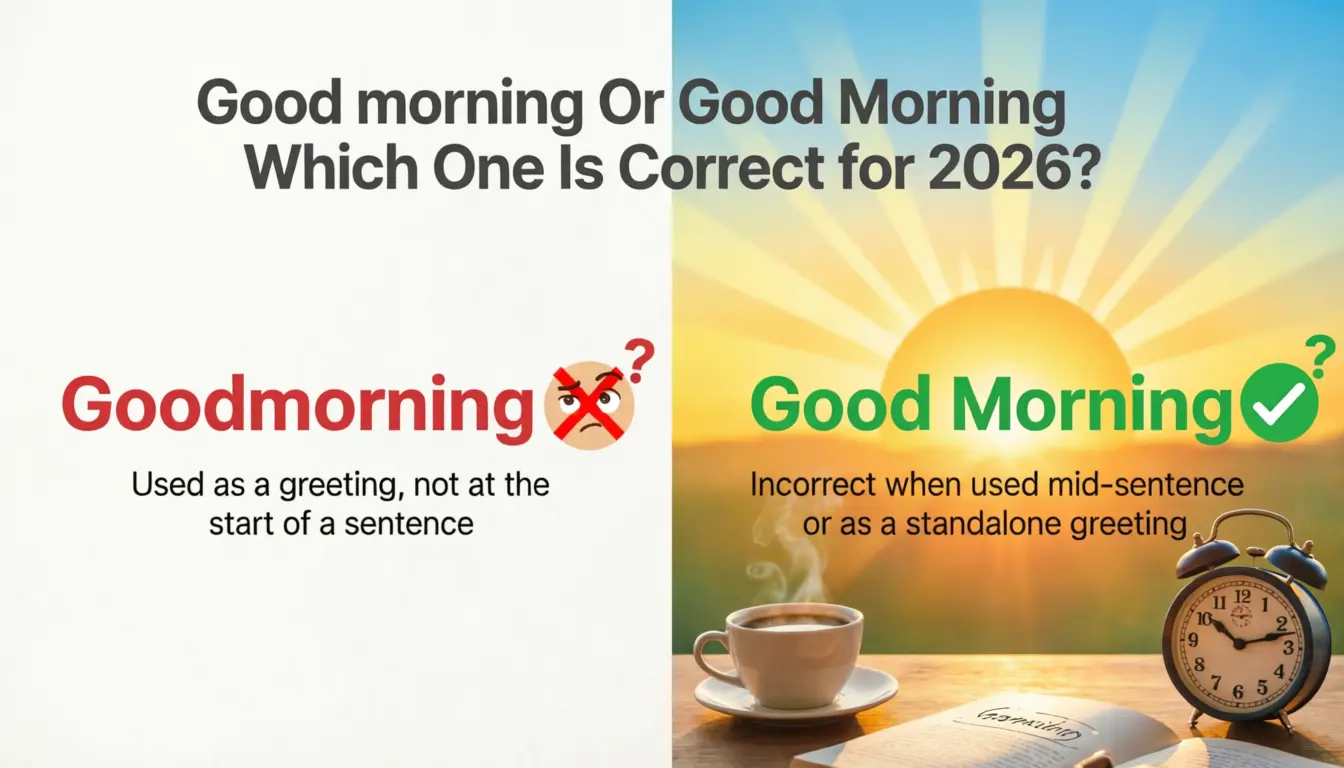
“Good morning” is a greeting used to wish someone well at the start of the day, whereas “goodmorning” is generally ...
Read more
Rosin Or Resin – What’s the Difference and Which Word Should You Use for 2026?
“Rosin” is a solid form of resin often used on violin bows or in industrial products, while “resin” is a ...
Read more
Bicep Or Biceps – Which Word Is Correct for 2026?
“Bicep” refers to one upper-arm muscle (singular), while “biceps” can refer to the muscle as a whole or both upper-arm ...
Read more