
“Exiting” is the present participle of exit, meaning to leave a place, while “exciting” is an adjective meaning causing enthusiasm, interest, or thrill.
“Exiting” or “exciting” they look almost the same, but they mean very different things. This small spelling difference can change the whole meaning of a sentence. Many people search for this keyword because they are unsure which word to use in writing, emails, or even social media posts.
The confusion happens because both words sound similar when spoken quickly. Also, both come from different root words but share a similar structure. One relates to leaving, while the other describes something fun or full of energy. Mixing them up can lead to awkward or even funny sentences.
For example, saying “This movie is exiting” instead of “This movie is exciting” completely changes the meaning. Instead of praising the movie, you accidentally suggest something is leaving!
In this guide, you’ll learn the exact difference between “exiting” and “exciting,” their origins, and how to use them correctly. We’ll also look at real examples, common mistakes, and tips to avoid confusion.
Exiting or Exciting – Quick Answer
Exiting means leaving or going out of something.
Exciting means something that causes joy, interest, or strong feelings.
Examples:
- She is exiting the building. ✅ (Correct – leaving)
- This game is very exciting! ✅ (Correct – fun and thrilling)
- He is exciting the room. ❌ (Wrong – should be “exiting”)
Simple tip:
- Exiting = Exit (leave)
- Exciting = Excite (emotion)
The Origin of Exiting or Exciting
Understanding the roots helps you remember the difference.
Exiting
The word “exiting” comes from the word “exit.”
- Origin: Latin exire
- Meaning: “to go out” or “leave”
It has been used for centuries in formal writing, signs, and instructions.
Exciting
The word “exciting” comes from “excite.”
- Origin: Latin excitare
- Meaning: “to stir up” or “to awaken feelings”
Over time, it became common in everyday language to describe something fun, thrilling, or interesting.
Why the confusion?
Both words:
- Start with “ex”
- Sound similar when spoken fast
- Have similar spelling patterns
But their meanings are completely different.
British English vs American English Spelling
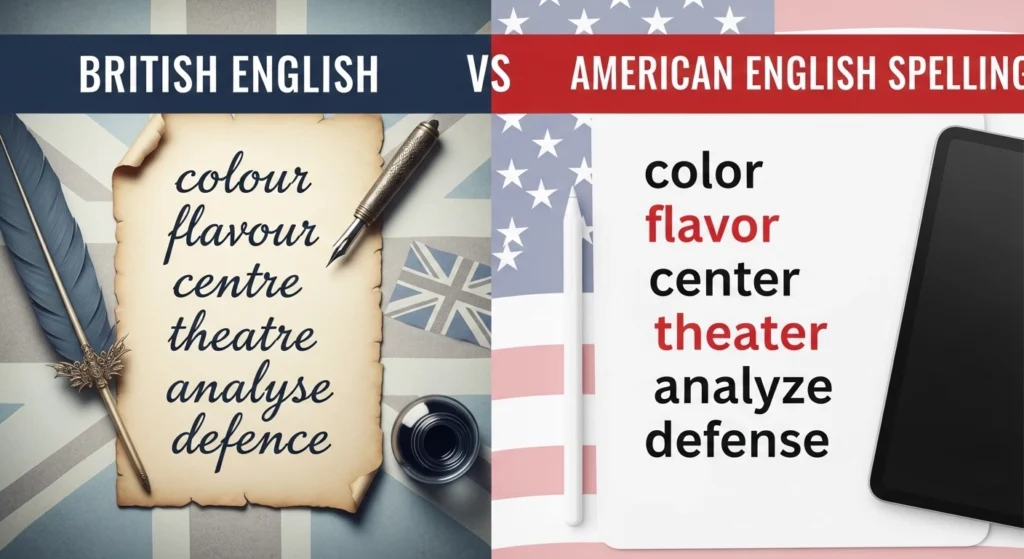
Good news there is no spelling difference between British and American English for these words.
Both forms use:
- Exiting
- Exciting
Comparison Table
| Word | British English | American English | Meaning |
| Exiting | Exiting | Exiting | Leaving or going out |
| Exciting | Exciting | Exciting | Fun or full of energy |
Unlike words like “colour” vs “color,” these remain the same worldwide.
Which Spelling Should You Use?
The choice is not about region it’s about meaning.
Use “Exiting” when:
- You talk about leaving a place
- You describe movement out of something
Example:
- Passengers are exiting the plane.
Use “Exciting” when:
- You describe emotions
- You talk about something fun or interesting
Example:
- The match was very exciting.
Audience-based advice:
- US audience: Use both correctly based on meaning
- UK/Commonwealth: Same rule applies
- Global writing: Focus on clarity, not region
Always check the context, not the country.
Common Mistakes with Exiting or Exciting
Here are mistakes people often make:
1. Using “exiting” instead of “exciting”
❌ The concert was exiting.
✅ The concert was exciting.
2. Using “exciting” instead of “exiting”
❌ He is exciting the car.
✅ He is exiting the car.
3. Auto-correct errors
Sometimes tools change the word incorrectly. Always double-check.
4. Pronunciation confusion
Fast speech can make both words sound alike.
5. Writing without context
If the sentence is unclear, readers may misunderstand your meaning.
Exiting or Exciting in Everyday Examples
In Emails
- We are excited to share this update. ✅
- Please use the back door when exiting. ✅
In News
- Fans had an exciting night at the stadium.
- People were seen exiting the building safely.
On Social Media
- This trip is so exciting!
- Everyone is exiting after the event.
In Formal Writing
- The system allows safe exiting during emergencies.
- The results are very exciting for researchers.
Exiting or Exciting / Google Trends & Usage Data
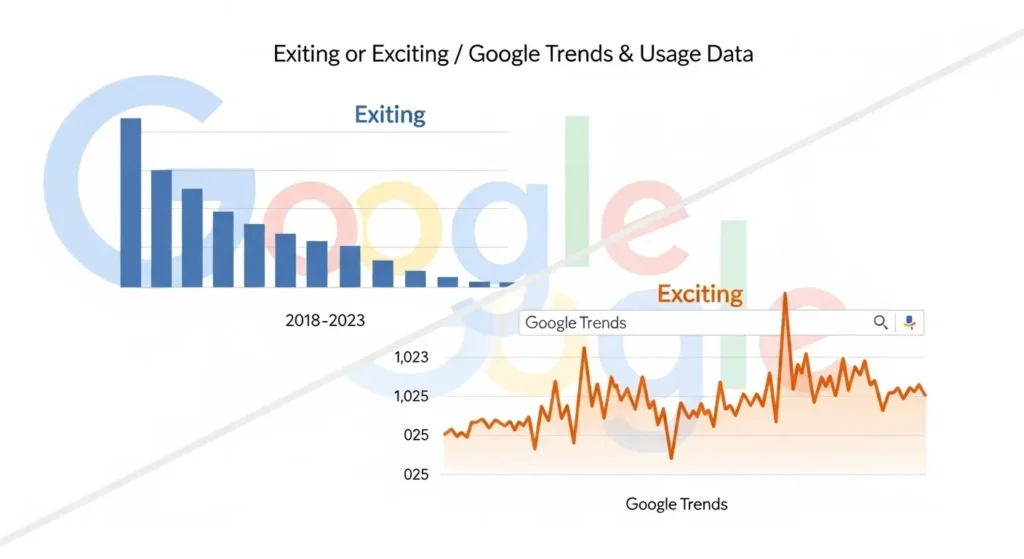
Search behavior shows that many users confuse these words.
Popularity:
- “Exciting” is searched more often
- Used in entertainment, marketing, and daily speech
“Exiting” usage:
- Common in technical writing
- Used in safety instructions and travel
By country:
- US, UK, Canada, Australia → Same usage patterns
- Non-native English users search this keyword more due to confusion
Context matters:
- Exciting → Emotional context
- Exiting → Physical action
Comparison Table (Side-by-Side)
| Feature | Exiting | Exciting |
| Meaning | Leaving | Thrilling / fun |
| Root word | Exit | Excite |
| Usage type | Action | Emotion |
| Example | Exiting the room | Exciting movie |
| Common error | Used instead of exciting | Used instead of exiting |
FAQs
1. Is “exiting” the same as “exciting”?
No. “Exiting” means leaving, while “exciting” means something fun or interesting.
2. Why do people confuse exiting and exciting?
Because they sound similar and have almost the same spelling.
3. Can I use “exiting” to describe emotions?
No. Use “exciting” for emotions.
4. Is “exciting” always positive?
Mostly yes. It describes something enjoyable or thrilling.
5. Is there a spelling difference in UK and US English?
No. Both use the same spelling.
6. How can I remember the difference?
- Exit = leave → exiting
- Excite = feeling → exciting
7. Which word is more common?
“Exciting” is used more in daily language.
8. Is “exiting” used in casual speech?
Less often. It is more common in formal or technical use.
Conclusion
The difference between “exiting” and “exciting” is simple once you understand their meanings. “Exiting” is about leaving a place, while “exciting” is about feelings, energy, and interest. Even though the words look and sound similar, they serve very different purposes in English.
This confusion is common, especially for learners and even native speakers typing quickly. But a small mistake can change the whole meaning of your sentence. That’s why it’s important to focus on context. Ask yourself: are you talking about movement or emotion?
The good news is that there is no regional spelling difference. Whether you are writing for a US, UK, or global audience, the rule stays the same. Just choose the word that matches your meaning.
To avoid errors, remember this simple trick: “exit” is inside “exiting,” and “excite” is inside “exciting.” This small reminder can help you get it right every time.
With practice, you’ll stop mixing them up and write with more confidence and clarity.

I am an Emily Carter Brooks U.S.A based linguistics writer known for my clear, reader-friendly explanations of English grammar and vocabulary differences. I have contributed to multiple online language resources and specializes in spelling variations, pronunciation confusion, and British vs American English comparisons. I’m passionate about helping learners improve their English through practical, everyday communication. engaging, and stress-free.