“Similar” is an adjective meaning almost the same or alike in appearance, qualities, or characteristics, whereas “simular” has no accepted meaning in English.
One missing letter can change how your writing looks. That is why many people search for “simular or similar”. At first glance, both words may seem right. They sound close, and typing fast can make them look the same. But only one is correct in standard English.
This spelling confusion is common in emails, essays, blog posts, and social media. Many writers wonder if simular is an accepted form or just a typo. The short answer is simple: similar is the correct word, while simular is a misspelling.
Knowing the right spelling matters because clear writing builds trust. A small spelling mistake can make your work look less polished.
This guide will explain the difference, where the word came from, how British and American English treat it, and how to avoid common mistakes. By the end, you will know exactly when and how to use similar the right way.
Simular or Similar – Quick Answer
The correct spelling is similar.
Similar means something is almost the same as something else, but not exactly the same.
❌ Simular = incorrect spelling
✅ Similar = correct spelling
Examples:
- Your shoes look similar to mine.
- The two houses are very similar in design.
- Their ideas are similar, but not equal.
Quick tip:
If you mean “almost the same,” always use similar.
Wrong: This phone looks simular to that one.
Right: This phone looks similar to that one.
The Origin of Simular or Similar
The word similar comes from the Latin word similis, which means “like” or “resembling.”
It entered English in the 1400s and kept its meaning over time. The idea has always been about things sharing features.
For example:
- Two twins may look similar.
- Two stories may have similar themes.
So where did simular come from?
It is not a real English word. It usually happens because people mix sounds while speaking or typing. Since some words end in -ular (like circular or regular), writers may wrongly form simular.
But English dictionaries only accept similar.
British English vs American English Spelling
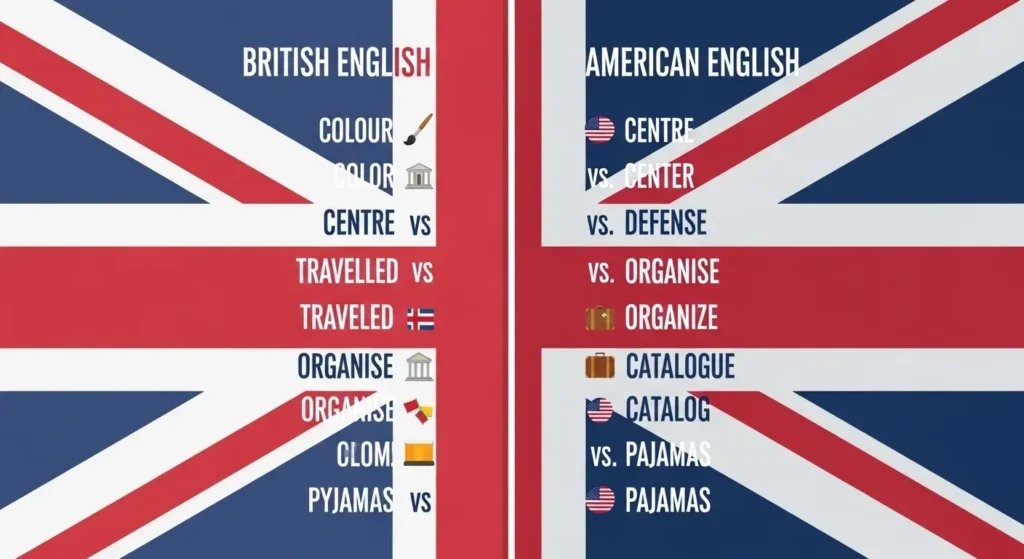
Good news: there is no spelling difference between British and American English for this word.
Both use similar.
Unlike words like:
| American English | British English |
| Color | Colour |
| Favor | Favour |
| Analyze | Analyse |
The word similar stays the same in both styles.
Examples:
| Region | Correct Spelling | Example |
| US | Similar | These cars are similar. |
| UK | Similar | These cars are similar. |
| Australia | Similar | These cars are similar. |
This makes it easy. No matter where you write, use similar.
Which Spelling Should You Use?
Always use similar.
Your audience does not change the spelling.
If your audience is in the US:
Use similar
Example:
This product is similar to the last model.
If your audience is in the UK:
Use similar
Example:
The new law is similar to the old one.
If your audience is global:
Use similar
Example:
Our services are similar worldwide.
Professional advice:
Check your spelling before publishing. Even one typo like simular can affect trust.
Common Mistakes with Simular or Similar
Here are common mistakes writers make:
| Wrong | Correct |
| Simular | Similar |
| Similer | Similar |
| Smilar | Similar |
| Similiar | Similar |
Mistake 1: Typing too fast
Wrong: They are simular ideas.
Right: They are similar ideas.
Mistake 2: Sound confusion
Some people spell words by sound. That causes mistakes.
Wrong: The designs are simular.
Right: The designs are similar.
Mistake 3: Auto-correct misses
Sometimes auto-correct does not fix it.
Tip: Proofread your work.
Simular or Similar in Everyday Examples
Here is how similar appears in real life.
Emails
“The new report looks similar to last month’s report.”
News writing
“The weather pattern is similar to last year.”
Social media
“This movie feels similar to the first one.”
Formal writing
“The study showed similar results in both groups.”
In school writing
“These two books have similar themes.”
Notice: similar works in casual and formal writing.
Simular or Similar – Google Trends & Usage Data
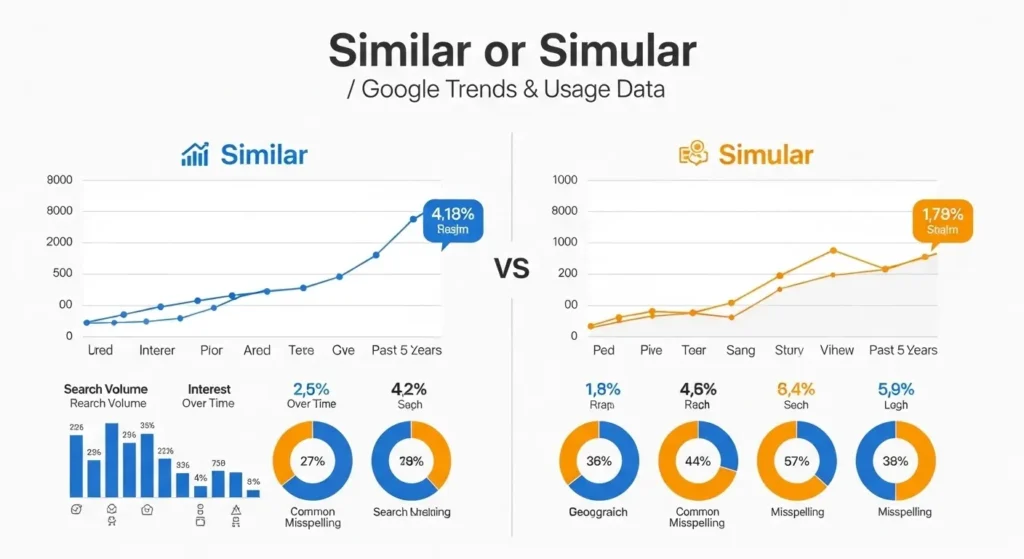
Search data shows that similar is the popular and accepted spelling worldwide.
People search simular because they are unsure or they made a spelling mistake.
Usage patterns:
| Word | Usage Level |
| Similar | Very high |
| Simular | Very low |
Countries where similar is common:
- United States
- United Kingdom
- Canada
- Australia
- India
Why does simular get searched?
- Fast typing
- Sound confusion
- Spelling guesswork
In books, news, and websites, similar is the standard word.
Comparison Table: Simular vs Similar
| Word | Correct? | Meaning | Use It? |
| Simular | No | None in standard English | No |
| Similar | Yes | Almost the same | Yes |
Quick memory trick:
Similar has “i” after “m”
Think: Same = Similar
FAQs
1. Is simular a real word?
No. Simular is not a standard English word.
2. Is similar the correct spelling?
Yes. Similar is the correct spelling.
3. Why do people write simular?
Mostly because of typing errors or sound confusion.
4. Do British people spell it simular?
No. British English uses similar too.
5. Can I use simular in formal writing?
No. Use similar in all formal writing.
6. Is similar an adjective?
Yes. It describes things that are alike.
Example: The dresses are similar.
7. What is a synonym for similar?
Words like:
- alike
- related
- close
- comparable
8. How do I remember the spelling?
Remember: simi + lar = similar
9. Is similar and same the same meaning?
Not exactly.
Same means exact.
Similar means almost the same.
Conclusion
The spelling battle between simular or similar is easy to solve once you know the rule. The only correct spelling is similar. The word simular is simply a spelling mistake and should be avoided in every type of writing.
The good news is that both British and American English use the same spelling, so there is no regional confusion. if you are writing for school, work, social media, or business, similar is always the safe and correct choice.
A simple way to remember it is this: if two things are alike but not exact, they are similar. That one extra “i” makes all the difference.
Good spelling improves your writing and makes your message clear. Before you send an email or publish content, check for common mistakes like simular. Small fixes can make your writing look more professional and trustworthy.

I am an Emily Carter Brooks U.S.A based linguistics writer known for my clear, reader-friendly explanations of English grammar and vocabulary differences. I have contributed to multiple online language resources and specializes in spelling variations, pronunciation confusion, and British vs American English comparisons. I’m passionate about helping learners improve their English through practical, everyday communication. engaging, and stress-free.