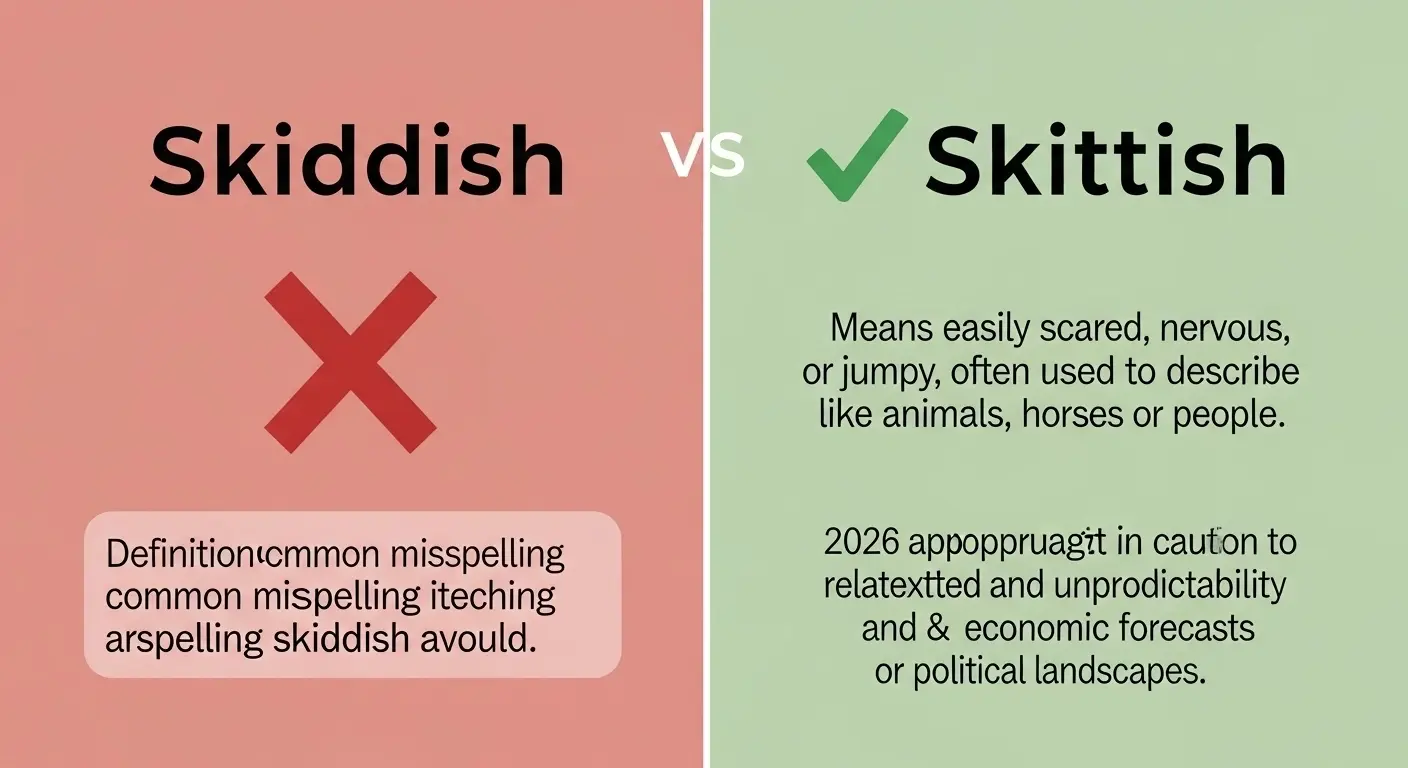
“Skittish” is an adjective meaning easily frightened, nervous, or unpredictable, whereas “skiddish” has no accepted meaning in English.
Have you ever typed “skiddish” and wondered if it looked right? You are not alone. Many English learners and even native speakers mix up skiddish and skittish because they sound almost the same in everyday speech. This confusion often happens in writing, social media posts, and casual messages.
People search for “skiddish or skittish” because they want to know the correct spelling and avoid mistakes in professional or formal writing. It is a common spelling issue because English has many words that sound alike but follow different spelling rules.
The simple truth is this: skittish is the correct standard English word. Skiddish is considered a misspelling or informal mistaken form. Knowing the difference helps you write clearly and correctly.
In this guide, you will learn the meaning, history, spelling rules, real-world examples, and usage tips for skittish so you never confuse it again.
Skiddish or Skittish – Quick Answer
The correct spelling is skittish.
Skittish means nervous, easily scared, or unpredictable.
Example:
- The horse became skittish during the storm.
- She felt skittish about the job interview.
Skiddish is incorrect in standard English.
Quick comparison:
| Word | Correct? | Meaning |
| Skittish | Yes | Nervous or easily frightened |
| Skiddish | No | Misspelling of skittish |
If you want correct grammar, always choose skittish.
The Origin of Skiddish or Skittish
The word skittish has been in English since the 15th century. It comes from the old English word skit, which means lively or playful.
At first, skittish described someone playful or wild. Later, its meaning changed to describe someone nervous, jumpy, or easily frightened.
Example from older use:
- A skittish child runs around with energy.
Modern use:
- A skittish deer ran into the woods.
So where did skiddish come from?
It likely formed by mistake because people hear the word and spell it by sound. This is called a phonetic spelling mistake.
That is why skiddish appears online, but dictionaries do not accept it.
British English vs American English Spelling
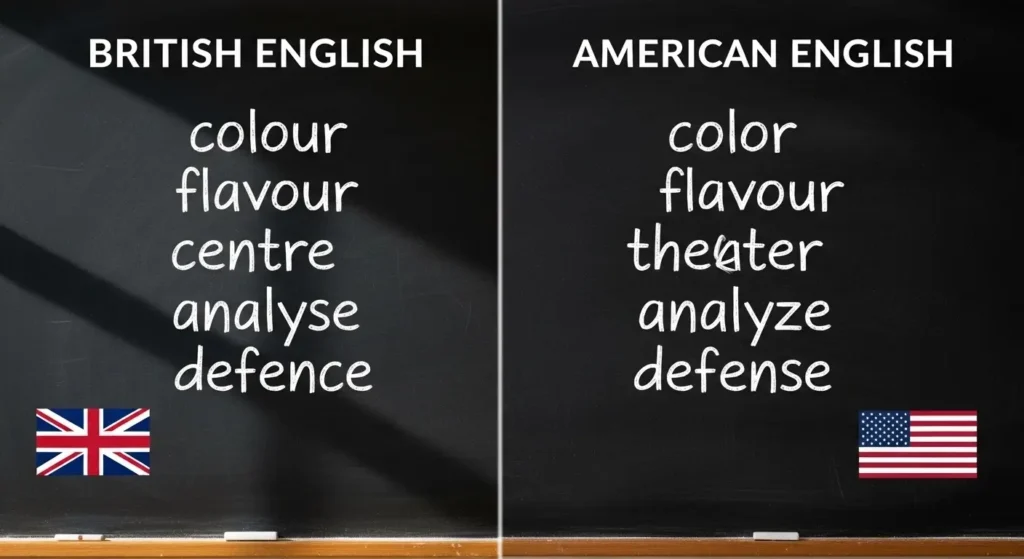
Unlike words such as “color” and “colour,” skittish stays the same in both British and American English.
There is no regional spelling difference.
Comparison Table
| English Type | Correct Spelling | Example |
| American English | Skittish | He became skittish near dogs. |
| British English | Skittish | The cat looked skittish today. |
| Australian English | Skittish | The horse seemed skittish. |
| Canadian English | Skittish | She felt skittish at work. |
Important point:
Skiddish is wrong in all English forms.
Which Spelling Should You Use?
Your audience matters in writing, but in this case the answer is simple.
If your audience is in the US
Use skittish
Example:
- Investors are skittish about market changes.
If your audience is in the UK
Use skittish
Example:
- The fox grew skittish near people.
If your audience is global
Use skittish
It is the accepted spelling everywhere.
Quick Advice
| Audience | Best Choice |
| United States | Skittish |
| United Kingdom | Skittish |
| Australia | Skittish |
| Canada | Skittish |
| Global readers | Skittish |
There is no situation where skiddish is the better choice.
Common Mistakes with Skiddish or Skittish
Many writers make small mistakes with this word.
1. Using “skiddish” in formal writing
Wrong:
- The dog was skiddish.
Correct:
- The dog was skittish.
2. Confusing it with “shy”
Skittish does not always mean shy. It often means nervous or easily startled.
Wrong idea:
- She is skittish because she is quiet.
Better:
- She is skittish because loud noises scare her.
3. Wrong double letters
Some people write:
- skitish
- skiddish
- skitishh
Correct spelling:
- skittish
Correction Table
| Wrong | Right |
| Skiddish | Skittish |
| Skitish | Skittish |
| Skitisch | Skittish |
Skiddish or Skittish in Everyday Examples
Here is how skittish works in real life.
Emails
- I am a little skittish about changing the plan.
News writing
- Markets remain skittish after economic reports.
Social media
- My cat gets skittish when guests come over.
Formal writing
- The patient appeared skittish during observation.
In casual conversation
- He looked skittish before the big game.
More examples
- The bird became skittish when the door opened.
- New investors are often skittish.
- The child was skittish in the dark.
Skiddish or Skittish /Google Trends & Usage Data
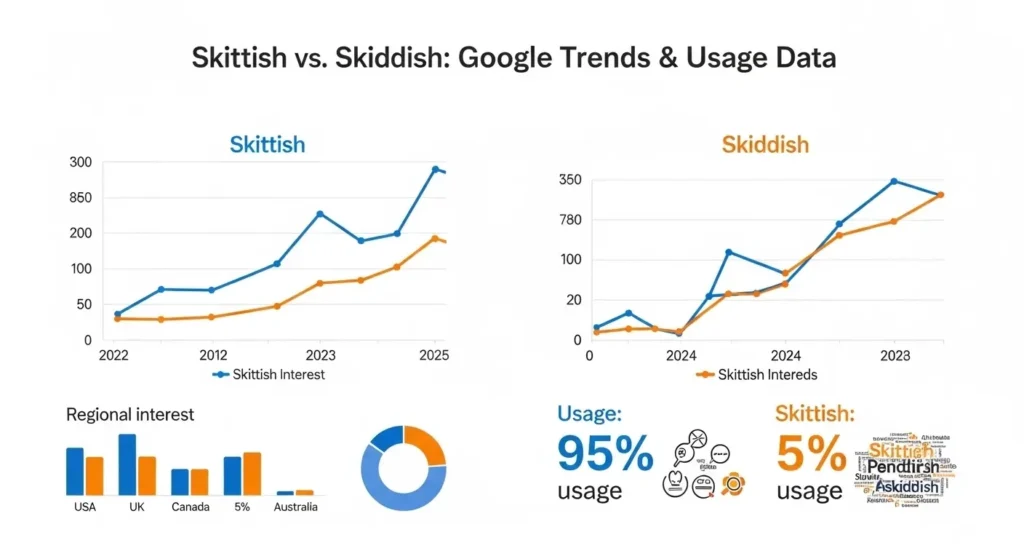
Search behavior shows that many people type skiddish because of pronunciation.
But actual usage strongly favors skittish.
Usage Comparison
| Term | Search Type | Status |
| Skittish | High use | Correct |
| Skiddish | Lower use | Incorrect |
Where is “skittish” common?
United States
Often used in finance and behavior.
Example:
- Skittish investors sold stocks.
United Kingdom
Used for animals and emotions.
Example:
- The horse was skittish.
Australia and Canada
Used in common speech and writing.
Contexts where “skittish” appears most
| Context | Usage Level |
| Finance | High |
| Animal behavior | High |
| Social media | Medium |
| News reports | High |
This shows skittish is the trusted spelling worldwide.
Comparison Table: Skiddish vs Skittish
| Feature | Skiddish | Skittish |
| Correct spelling | No | Yes |
| Dictionary accepted | No | Yes |
| Used in formal writing | No | Yes |
| Used in casual writing | Sometimes by mistake | Yes |
| Global acceptance | No | Yes |
FAQs About Skiddish or Skittish
1. Is skiddish a real word?
No. It is a misspelling of skittish.
2. What does skittish mean?
It means nervous, easily scared, or uneasy.
3. Why do people write skiddish?
Because it sounds similar when spoken.
4. Is skittish used in British English?
Yes. It is correct in British English.
5. Can skittish describe people?
Yes.
Example:
- He felt skittish before speaking.
6. Can skittish describe animals?
Yes.
Example:
- The horse became skittish.
7. Is skittish negative?
Not always. It simply describes nervous behavior.
8. What is a synonym for skittish?
Words like nervous, jumpy, uneasy, and restless.
9. Is skittish common in business writing?
Yes, especially in finance.
Example:
- Markets are skittish today.
Conclusion
The choice between skiddish or skittish is simple once you know the rule. Skittish is the correct and accepted spelling in all major English-speaking countries. It means nervous, easily frightened, or unpredictable. Skiddish is just a spelling mistake caused by how the word sounds when spoken.
This matters because correct spelling builds trust in your writing. In emails, school work, business reports, and social media, using skittish shows clear and careful communication. Since there is no British or American spelling difference, you never need to change it based on location.
A simple trick to remember it is this: skittish has double “t”, and that is always the correct form.
So next time you stop and wonder about skiddish or skittish, choose skittish with confidence. It is correct, clear, and understood everywhere.

I hold a degree in English Literature and Linguistics and have worked extensively on educational blogs, comparison websites, and digital learning platforms. My writing focuses on simplifying complex language rules, highlighting British vs American English differences, and providing practical examples for everyday usage.