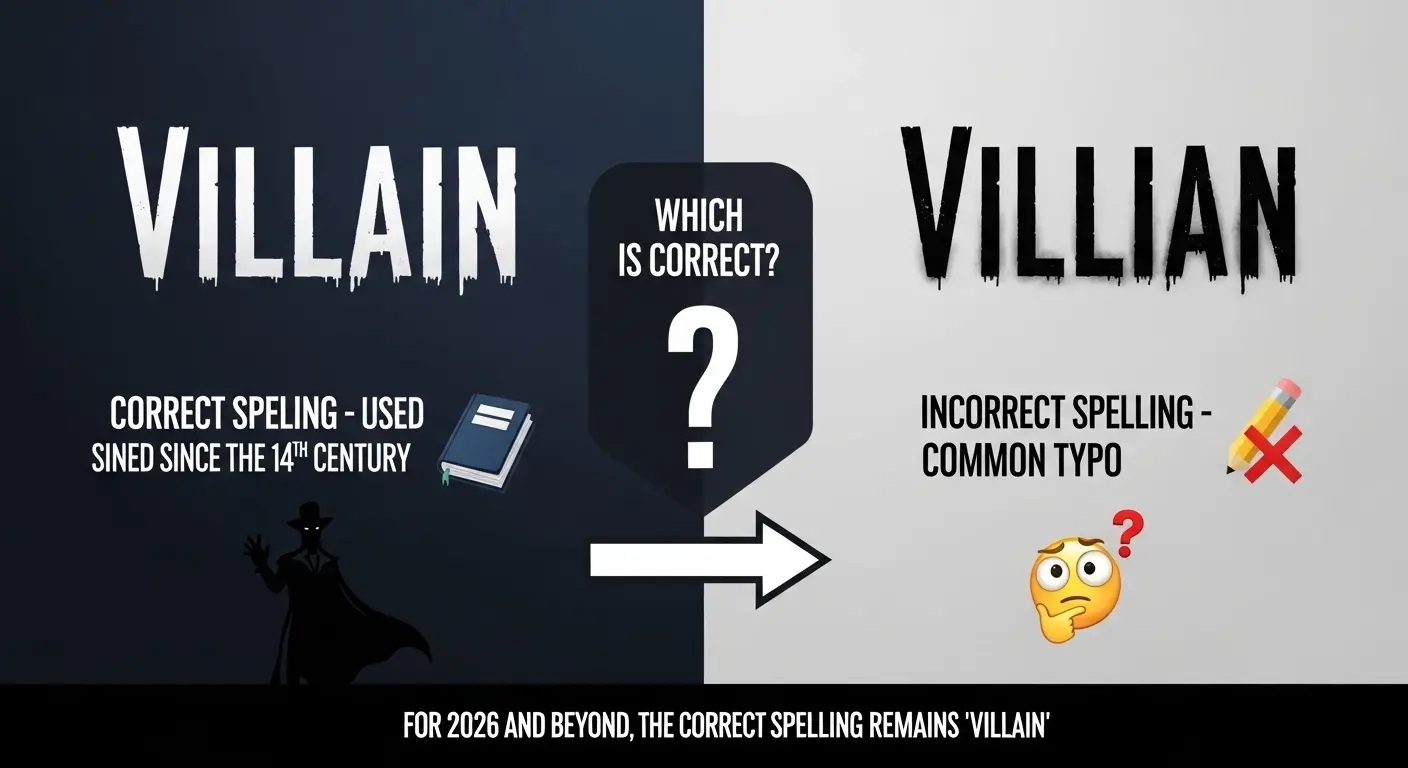
“Villain” is a noun that refers to an evil or wicked character in a story, whereas “villian” has no accepted meaning in English.
Have you ever typed “villian” and wondered if it looks a bit off? You’re not alone. Many people confuse “villian” and “villain” because they sound the same and are easy to mix up while typing fast. This small spelling mistake shows up in emails, social media posts, blog articles, and even professional writing.
The confusion usually comes from how English words are pronounced versus how they are spelled. Since both versions sound identical, people often rely on guesswork. But here’s the truth: only one spelling is correct, and using the wrong one can affect your credibility especially in formal writing.
This article will clear up the confusion once and for all. You’ll learn the correct spelling, its origin, common mistakes, and how to use it properly in everyday writing.
If you’re a student, blogger, or digital marketer, this guide will help you write with confidence and accuracy.
Villian or Villain – Quick Answer
The correct spelling is “villain.”
“Villian” is incorrect and a common misspelling.
Examples:
- ✅ The villain in the movie was very powerful.
- ❌ The villian in the movie was very powerful.
Simple rule:
Always use “villain” with “ai”, not “ia.”
The Origin of Villian or Villain
The word “villain” comes from Old French “vilain,” which meant a farm worker or servant. Over time, its meaning changed. It began to describe someone rude, bad, or morally wrong. Eventually, it became the word we use today for the “bad guy” in stories.
So why do people write “villian”?
Because English spelling can be tricky. The “ai” sound in “villain” is not obvious when spoken. Many people assume it should be “ia,” which leads to the incorrect form “villian.”
This is not a regional difference. It’s simply a spelling mistake caused by pronunciation confusion.
British English vs American English Spelling
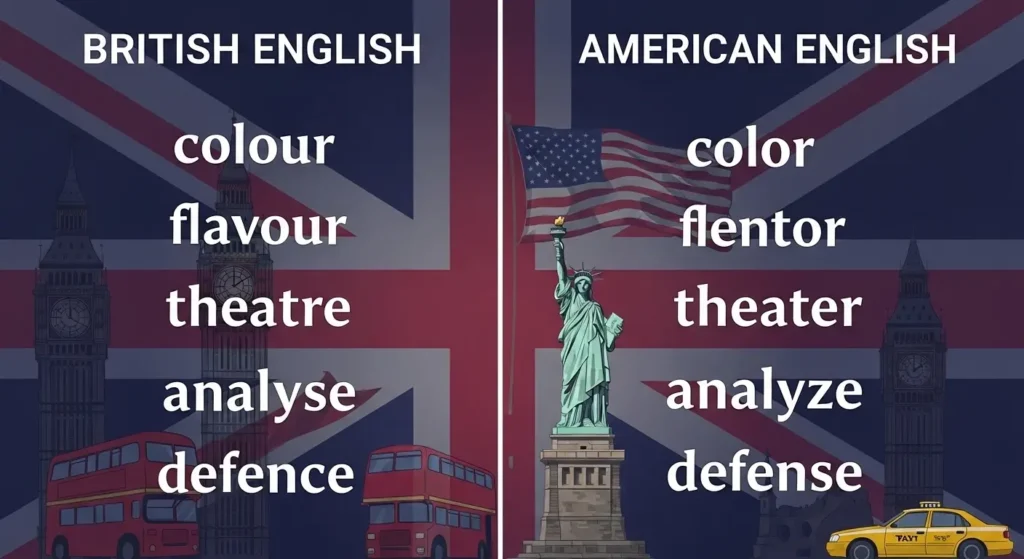
Unlike many English words, “villain” is spelled the same in both British and American English. There is no variation.
Key Point:
Both UK and US use “villain” never “villian.”
Comparison Table
| Version | Correct Spelling | Usage Region | Example Sentence |
| Villain | ✅ Yes | UK & US | The villain lost in the end. |
| Villian | ❌ No | None | Incorrect spelling |
So, no matter where you are writing from the US, UK, or anywhere else “villain” is always correct.
Which Spelling Should You Use?
The answer is simple:
Always use “villain.”
Based on audience:
- United States: Use “villain”
- United Kingdom: Use “villain”
- Pakistan, India, and global English: Use “villain”
There is no exception. If you want your writing to look professional and correct, stick with the standard spelling.
Common Mistakes with Villian or Villain
Here are some frequent errors people make:
1. Using “villian” instead of “villain”
❌ The villian was scary
✅ The villain was scary
2. Typing errors due to speed
People often type quickly and switch “ai” to “ia.”
3. Autocorrect confusion
Some devices may not catch the mistake if the word is close enough.
4. Lack of proofreading
Writers forget to double-check spelling before publishing.
Quick Fix Tip:
Remember this pattern: vill + ain = villain
Villian or Villain in Everyday Examples
Here’s how “villain” is used in real-life writing:
1. Emails
- The main villain in the presentation needs more explanation.
2. News Writing
- The film’s villain has become very popular among fans.
3. Social Media
- That villain scene gave me chills!
4. Formal Writing
- The villain represents the darker side of human nature.
5. Blogging & SEO Content
- Every story needs a strong villain to create conflict.
Using the correct spelling improves clarity and trust.
Villian or Villain – Google Trends & Usage Data
Search data shows that many users type “villian” by mistake. However, “villain” is the correct and widely used term across all English-speaking countries.
Key Insights:
- “Villain” has high search volume globally
- “Villian” appears often as a typo
- Writers and marketers should target the correct keyword: villain
Usage Context:
- Movies and TV shows
- Books and storytelling
- Gaming and comics
- Everyday language
Keyword Comparison Table
| Keyword Variant | Correct | Search Intent | Usage Recommendation |
| Villain | ✅ Yes | Informational | Use in all content |
| Villian | ❌ No | Misspelling/Error | Avoid completely |
FAQs:
1. Is “villian” ever correct?
No, “villian” is always incorrect.
2. Why do people write “villian”?
Because of pronunciation confusion and typing mistakes.
3. What is the correct spelling: villain or villian?
The correct spelling is villain.
4. Is there a British vs American difference?
No, both use the same spelling: villain.
5. How can I remember the correct spelling?
Think of “ai” in villain, not “ia.”
6. Does “villian” appear in dictionaries?
No, it is not a recognized word.
7. Can using “villian” affect content?
Yes, it can harm your content quality and ranking.
8. What does “villain” mean?
A villain is a bad person or antagonist in a story.
Conclusion:
The confusion between “villian” and “villain” is very common, but the answer is simple. “Villain” is the only correct spelling, while “villian” is just a mistake. This confusion happens because both words sound the same, and English spelling does not always match pronunciation.
Understanding the origin of the word helps make things clearer. “Villain” comes from Old French and has always followed the “ai” spelling pattern. There is no difference between British and American English in this case, which makes it even easier to remember.
For students, writers, and marketers, using the correct spelling is important. It improves your credibility, helps with content, and ensures your message is clear. Always proofread your work and watch out for common typing errors like this one.
In short, if you want your writing to look professional and polished, stick with “villain.” It’s the correct, accepted, and trusted form across the world.

I hold a degree in English Literature and Linguistics and have worked extensively on educational blogs, comparison websites, and digital learning platforms. My writing focuses on simplifying complex language rules, highlighting British vs American English differences, and providing practical examples for everyday usage.