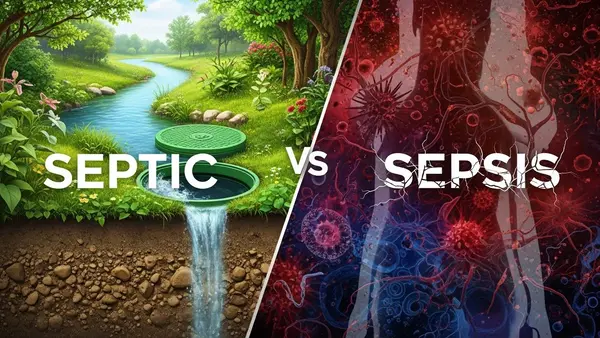
Many people search for “septic or sepsis” because these two words sound related and often appear together in medical news, reports, and conversations. The confusion is real. You might see “septic shock” in a headline, but “sepsis” in a hospital brochure. Are they the same thing? Can you use them interchangeably? Or is one correct and the other wrong?
This article clears that confusion fast. People usually want a quick answer first, then a deeper explanation they can trust. Some are writing emails, reports, or health content. Others are worried after hearing a diagnosis or reading the news. The problem is simple: septic and sepsis are linked, but they do not mean the same thing.
By the end of this guide, you will know exactly what each word means, where it comes from, how spelling and usage differ, and which term you should use in different situations. The goal is clarity, confidence, and correct usage—without medical jargon or complex language.
Septic or Sepsis,Quick Answer
Sepsis is a medical condition.
Septic is an adjective that describes something related to sepsis.
Example:
- The patient was diagnosed with sepsis.
- The patient became septic and needed urgent care.
You do not choose one over the other by spelling rules. You choose based on grammar and meaning.
The Origin of Septic or Sepsis
Both words come from the Greek word “sēpsis,” meaning decay or putrefaction. Ancient doctors used it to describe rotting tissue and infection.
- Sepsis entered medical Latin as a noun.
- Septic later developed as the descriptive form.
The spelling difference exists because English borrowed both the noun and the adjective form. Over time, medicine kept both because they serve different roles in sentences.
British English vs American English Spelling

There is no spelling difference between British and American English for these words. The confusion is about word form, not regional spelling.
| Term | British English | American English | Meaning |
| Sepsis | Sepsis | Sepsis | Medical condition |
| Septic | Septic | Septic | Describes a state or condition |
Both regions use the terms the same way.
Which Spelling Should You Use?
Use sepsis when you need a noun.
Use septic when you need an adjective.
Audience-based advice:
- US audience: Follow medical style guides (sepsis as diagnosis).
- UK/Commonwealth: Same usage and rules apply.
- Global audience: Use sepsis for clarity. It is more widely recognized.
If unsure, ask: Am I naming the illness or describing something?
Common Mistakes with Septic or Sepsis
❌ “The patient has septic.”
✅ “The patient has sepsis.”
❌ “Sepsis shock occurred.”
✅ “Septic shock occurred.”
❌ Using them as interchangeable words
✅ Match noun vs adjective correctly
Septic or Sepsis in Everyday Examples
Emails:
- “The report confirms a case of sepsis.”
News:
- “Early treatment can prevent septic shock.”
Social media:
- “Learn the signs of sepsis. It saves lives.”
Formal writing:
- “Patients with septic symptoms require monitoring.”
Septic or Sepsis – Google Trends & Usage Data
Search data shows “sepsis” is far more common worldwide. It spikes during health awareness campaigns and medical news events. “Septic” appears less often and mostly with words like shock, patient, or condition.
- Sepsis: High usage in medical, educational, and public health searches
- Septic: Lower volume, clinical context only
Keyword Variations Comparison Table
| Term | Part of Speech | Usage |
| Sepsis | Noun | Name of the illness |
| Septic | Adjective | Describes a state |
| Septic shock | Phrase | Severe complication |
FAQs
1. Are septic and sepsis the same thing?
No. Sepsis is the disease. Septic describes a condition.
2. Can I say “septic disease”?
It is better to say “sepsis.”
3. Which term is more correct?
Both are correct when used properly.
4. Is septic an outdated term?
No. It is still widely used in medicine.
5. Why do doctors say septic shock?
Because “septic” describes the shock caused by sepsis.
6. Is sepsis always life-threatening?
It can be, but early treatment improves outcomes.
7. Which word should I use for SEO content?
Use sepsis as the main term. Support with septic.
Conclusion
The confusion around septic or sepsis comes from how closely related the words are. They share the same origin and are often used together but they serve different purposes. Sepsis names the medical condition.
Septic describes something caused by or related to that condition. Knowing this difference helps you write clearly, speak accurately, and avoid common mistakes.
For most people sepsis is the safer and clearer choice, especially in public, educational, or SEO content. It is widely searched, globally understood, and medically precise. Use septic when you need to describe a state such as septic shock or septic patient.
Clear language matters, especially in health topics. Using the right word builds trust, avoids confusion, and ensures your message is understood. When in doubt, ask yourself whether you are naming the illness or describing its effect—and choose accordingly.
Discover More Articles

I hold a degree in English Literature and Linguistics and have worked extensively on educational blogs, comparison websites, and digital learning platforms. My writing focuses on simplifying complex language rules, highlighting British vs American English differences, and providing practical examples for everyday usage.