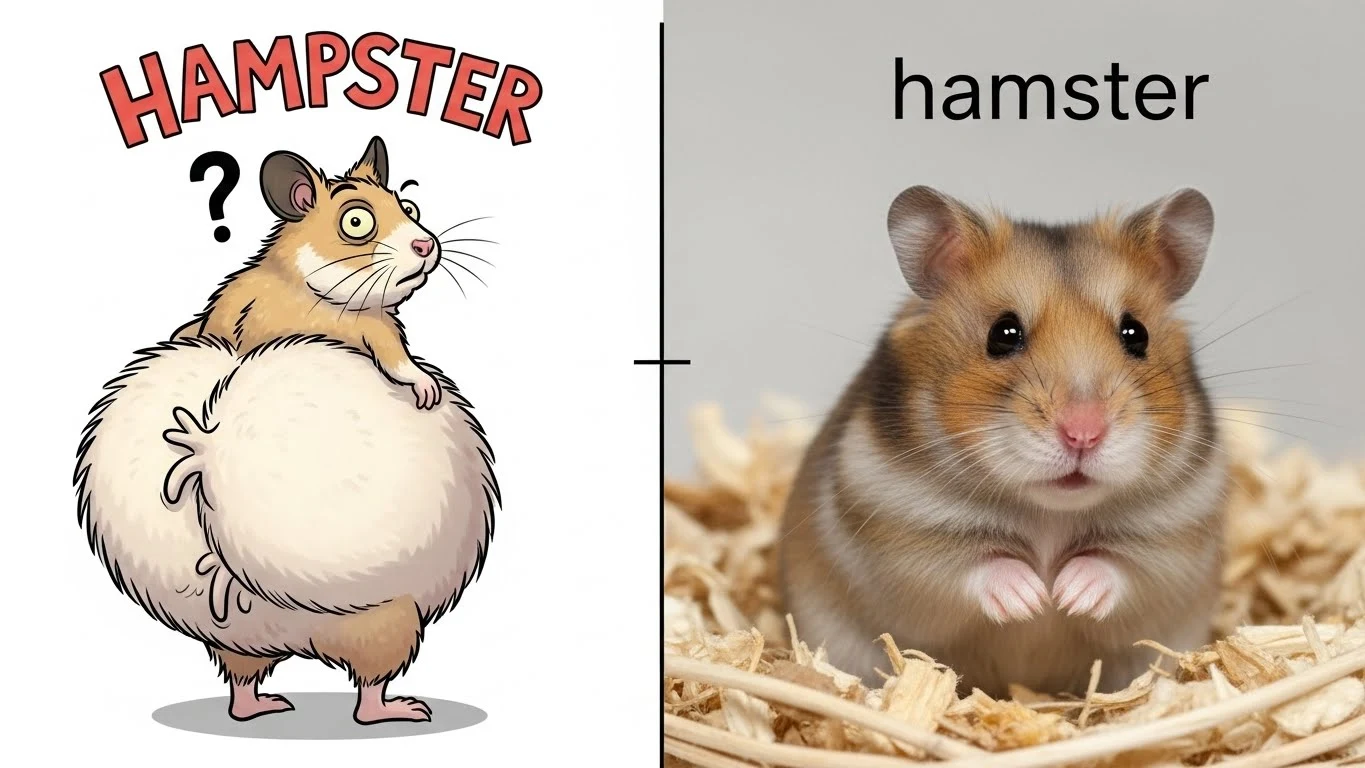
Introduction
Many people search for “hampster or hamster” because they are unsure which spelling is correct. This confusion is very common.
You may have heard the word spoken many times, especially in cartoons, children’s shows, or casual conversation. When spoken, the word often sounds like it has a “p” in the middle. This makes people think “hampster” might be correct.
This spelling confusion shows up everywhere. It appears in school homework, social media posts, emails, pet shop searches, blog articles, and even product listings.
A small spelling error can make writing look careless. It can also hurt search engine rankings and reduce trust with readers.
The goal of this article is simple. It gives a clear, fast answer, then explains why the confusion exists, and finally shows how to use the correct spelling in every situation.
You will learn the history of the word, British and American spelling rules, common mistakes, real-life examples, and usage trends.
By the end of this guide, you will know exactly which spelling to use and why. You will never need to Google “hampster or hamster” again.
Read more about;
Fifthteen or Fifteen
Hampster or Hamster – Quick Answer
The correct spelling is hamster.
“Hampster” is incorrect and not accepted in standard English.
Simple examples:
- ✅ I have a hamster as a pet.
- ✅ The hamster is running on its wheel.
- ❌ My hampster is sleeping.
Only hamster appears in dictionaries, books, schools, veterinary guides, and official writing.
The Origin of Hampster or Hamster
The word hamster comes from the German word “Hamster.”
It is linked to the older German word “hamstern,” which means to hoard or store food. This fits the animal well because hamsters store food in their cheeks.
Why the “p” sound appears
Many people pronounce hamster as:
- hamp-ster
This is because English speakers often add a soft “p” sound between m and s when speaking fast. This happens naturally in speech, but it does not belong in spelling.
The same thing happens with other words:
- something → sounds like sump-thing
- warmth → sounds like warmpth
These extra sounds are pronunciation habits, not spelling rules.
Historically, the spelling hamster has always been correct. “Hampster” never existed as a standard word.
British English vs American English Spelling
There is no difference between British English and American English for this word.
Both use:
- hamster
Neither accepts:
- hampster
Comparison Table
| Spelling | British English | American English | Correct |
|---|---|---|---|
| hamster | ✅ Yes | ✅ Yes | ✅ Correct |
| hampster | ❌ No | ❌ No | ❌ Incorrect |
This makes it easy. No matter where you live, hamster is the right choice.
Which Spelling Should You Use?
The answer is simple. Always use hamster.
If your audience is in the United States
- Use hamster
Whether your audience is in the UK or Commonwealth
- Use hamster
If your audience is global or ESL learners
- Use hamster
There is no case where hampster is correct. Using the wrong spelling can:
- Look unprofessional
- Confuse readers
- Reduce SEO quality
- Lower trust
If you want clean and correct writing, hamster is the only safe option.
Common Mistakes with Hampster or Hamster
This word causes repeated errors. Here are the most common ones.
1. Adding a silent “p”
- ❌ hampster
- ✅ hamster
2. Trusting pronunciation
- Spoken: hamp-ster
- Written: hamster
3. Casual writing habits
People often type fast in:
- Text messages
- Social media
- Comments
This leads to spelling shortcuts that are wrong.
4. Assuming both spellings are accepted
Some people think both versions are fine. This is false. Only one spelling is correct.
Hampster or Hamster in Everyday Examples
Emails
- ✅ “My hamster has a vet appointment tomorrow.”
- ❌ “My hampster is sick.”
News Articles
- ✅ “The hamster became popular as a pet in the 20th century.”
Social Media
- ✅ “Look at my cute hamster 🐹”
- ❌ “My hampster is eating again!”
Formal Writing
- ✅ “The hamster belongs to the rodent family.”
Correct spelling improves clarity and credibility in all writing.
Hampster or Hamster – Google Trends & Usage Data
Search data shows something interesting.
- “hamster” is searched millions of times.
- “hampster” appears mostly in:
- Misspelling checks
- Children’s searches
- ESL learner queries
What this means
People search “hampster or hamster” because:
- They hear the word spoken
- They want confirmation
- They suspect one spelling is wrong
By region
- US, UK, Canada, Australia: hamster dominates
- Non-native English regions: higher confusion searches
In real usage, hamster appears in:
- Books
- Pet care guides
- Veterinary websites
- Educational content
“Hampster” appears only in errors.
Comparison Table: Hampster vs Hamster
| Word | Correct | Meaning | Usage |
|---|---|---|---|
| hamster | ✅ Yes | A small pet rodent | Standard English |
| hampster | ❌ No | None | Common misspelling |
FAQs – Hampster or Hamster
1. Is “hampster” ever correct?
No. It is always incorrect.
2. Why do people spell hamster with a “p”?
Because the spoken sound feels natural, but spelling does not follow that sound.
3. Is hamster spelled the same in British and American English?
Yes. There is no difference.
4. What type of animal is a hamster?
A hamster is a small rodent often kept as a pet.
5. Do dictionaries list “hampster”?
No major dictionary accepts it.
6. Can “hampster” be slang?
No. It is still considered a mistake.
7. How can I remember the correct spelling?
Think of ham + ster, not hamp.
Conclusion
The confusion between hampster or hamster is very common, but the solution is easy. Hamster is the only correct spelling. Hampster is simply a spelling mistake caused by pronunciation habits. English often adds extra sounds when speaking, but spelling stays fixed.
There is no British or American difference. That is no informal exception. There is no alternate version. Whether you are writing an email, blog post, school assignment, pet care guide, or social media caption, hamster is always correct.
Using the right spelling helps your writing look clear and professional. It also improves trust, readability, and search engine performance. Once you understand where the confusion comes from, the mistake is easy to avoid.
Remember this rule: If you can pet it, feed it, or buy it at a pet store, it’s spelled hamster.
Now you know the answer, and you will never need to question it again.

I hold a degree in English Literature and Linguistics and have worked extensively on educational blogs, comparison websites, and digital learning platforms. My writing focuses on simplifying complex language rules, highlighting British vs American English differences, and providing practical examples for everyday usage.