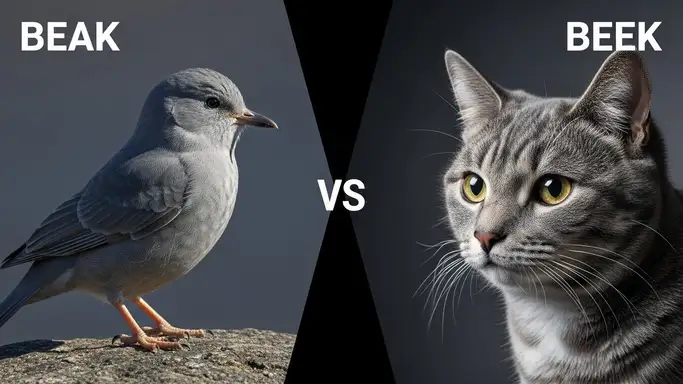
English learners and even native speakers often get confused by words that sound similar but have very different meanings. One such confusing search is “beak or beek.” Many people type this keyword into Google because they are unsure which spelling is correct, or whether both words exist in English.
The confusion usually starts with pronunciation. When spoken quickly, beak can sound like beek, especially for non-native speakers. Spellcheck tools sometimes fail to explain the difference, and casual writing on social media makes the problem worse. As a result, people wonder: Is “beek” a real English word? Or is beak the only correct spelling?
This article solves that confusion clearly and completely. You will get a quick answer, followed by detailed explanations, real-life examples, and professional usage advice. We will also explain the origin of the word, compare British and American English, show common mistakes, and discuss Google search trends.
By the end of this guide, you will know exactly when to use “beak,” when “beek” is wrong, and how to avoid this mistake forever.
Read more about;
Standardised or Standardized
Beak or Beek – Quick Answer
✅ “Beak” is the correct English word.
❌ “Beek” is not a standard English word.
What does beak mean?
A beak is the hard, pointed mouth of a bird.
Examples:
- The eagle has a sharp beak.
- The parrot cracked the nut with its beak.
- The bird cleaned its beak after eating.
What about beek?
“Beek” is incorrect in standard English.
It is usually:
- A spelling mistake
- A phonetic error
- Or a misspelling of “beak”
In normal writing, emails, articles, and exams, “beek” should not be used.
The Origin of Beak or Beek
Origin of Beak
The word beak has a long history.
- It comes from Middle English beke
- That came from Old French bec
- Ultimately, it traces back to Latin beccus, meaning “bird’s bill”
Over time, English standardized the spelling as beak, while pronunciation stayed similar.
Why does beek appear?
The spelling “beek” appears because:
- English pronunciation does not always match spelling
- The long “ee” sound makes people assume ee = correct
- ESL learners spell words the way they hear them
However, English dictionaries do not recognize “beek” as a valid word.
British English vs American English Spelling
Unlike many words (color/colour, organize/organise), “beak” does NOT change between British and American English.
Comparison Table
| Feature | British English | American English |
| Correct spelling | Beak | Beak |
| Alternative spelling | ❌ Beek (wrong) | ❌ Beek (wrong) |
| Meaning | Bird’s mouth | Bird’s mouth |
| Formal usage | Same | Same |
✅ Conclusion:
There is no British vs American difference here.
“Beak” is correct everywhere.
Which Spelling Should You Use?
If your audience is American (US)
✔ Use beak
❌ Never use beek
If your audience is British or Commonwealth (UK, Canada, Australia)
✔ Use beak
❌ Beek is still wrong
If your audience is global
✔ Use beak
It is the only correct and safe choice worldwide.
Professional advice:
If you use “beek”, readers may think:
- You made a spelling mistake
- You are not fluent in English
- Your content is low quality
Common Mistakes with Beak or Beek
❌ Mistake 1: Phonetic spelling
The bird hurt its beek.
✔ Correct:
The bird hurt its beak.
❌ Mistake 2: Assuming “beek” is British English
Some people think beek is a UK spelling.
✔ Truth:
- British English uses beak, not beek.
❌ Mistake 3: Using “beek” in formal writing
Emails, exams, blogs, and news articles should never use beek.
✔ Always proofread and replace beek with beak.
Beak or Beek in Everyday Examples
In Emails
❌ The injured bird’s beek was broken.
✔ The injured bird’s beak was broken.
In News Writing
✔ The pelican uses its beak to catch fish.
On Social Media
❌ That duck has a funny beek 😂
✔ That duck has a funny beak 😂
In Formal Writing
✔ The structure of a bird’s beak depends on its diet.
Beak or Beek – Google Trends & Usage Data
Search Behavior
- “Beak” has consistent search volume
- “Beek” appears mainly as:
- A misspelling
- A “Did you mean beak?” query
- A misspelling
By Region
- US, UK, Canada: Search “beak”
- ESL regions: Higher “beek” typo searches
Context of Searches
People searching “beak or beek” usually want:
- Spelling confirmation
- Quick correction
- Grammar clarity
SEO insight:
Pages that clearly say “Beek is incorrect” perform better because they satisfy intent fast.
Beak vs Beek – Comparison Table
| Aspect | Beak | Beek |
| Is it a real word? | ✅ Yes | ❌ No |
| Dictionary entry | Yes | No |
| Meaning | Bird’s mouth | None |
| Formal writing | Correct | Incorrect |
| British English | Beak | ❌ |
| American English | Beak | ❌ |
FAQs
1. Is “beek” ever correct in English?
No. “Beek” is not correct in standard English.
2. Why do people spell beak as beek?
Because of pronunciation and phonetic spelling habits.
3. Is beek a British spelling of beak?
No. British English uses beak, not beek.
4. Can I use beek in creative writing?
Only if you are intentionally misspelling for style or dialogue. Not recommended.
5. What does beak mean in biology?
It means the hard mouthpart of birds used for eating and defense.
6. Is beak used metaphorically?
Yes. Example: He spoke with a sharp beak (informal metaphor).
7. Will Grammarly flag “beek”?
Yes. Most grammar tools mark beek as an error.
Conclusion
The confusion between beak or beek is simple to solve once you understand the basics. “Beak” is the only correct spelling in English, used in both American and British English without change. It refers to the hard mouth of a bird and is widely accepted in all forms of writing.
On the other hand, “beek” is not a real English word. It appears mainly because of pronunciation confusion, typing errors, or lack of familiarity with correct spelling rules. Using beek in professional or academic writing can harm credibility and clarity.
If you want your English to sound natural, correct, and professional, always choose beak. Whether you are writing an email, a blog post, a school assignment, or a news article, this choice will always be right.
Remember:
✔ Beak = correct
❌ Beek = mistake
Once you know this rule, you will never confuse these spellings again.

I am an Emily Carter Brooks U.S.A based linguistics writer known for my clear, reader-friendly explanations of English grammar and vocabulary differences. I have contributed to multiple online language resources and specializes in spelling variations, pronunciation confusion, and British vs American English comparisons. I believes that learning English should be practical, engaging, and stress-free.